FDA Peptide Standards and the Reality of Research Purity
For researchers navigating the synthetic peptide market, the FDA’s 2021 regulatory framework offers a rigorous benchmark: any impurity exceeding 0.10% requires formal identification, while new impurities above 0.5% effectively disqualify a drug application. These thresholds redefine how laboratories must evaluate supplier documentation for compounds like GLP-1 analogs.
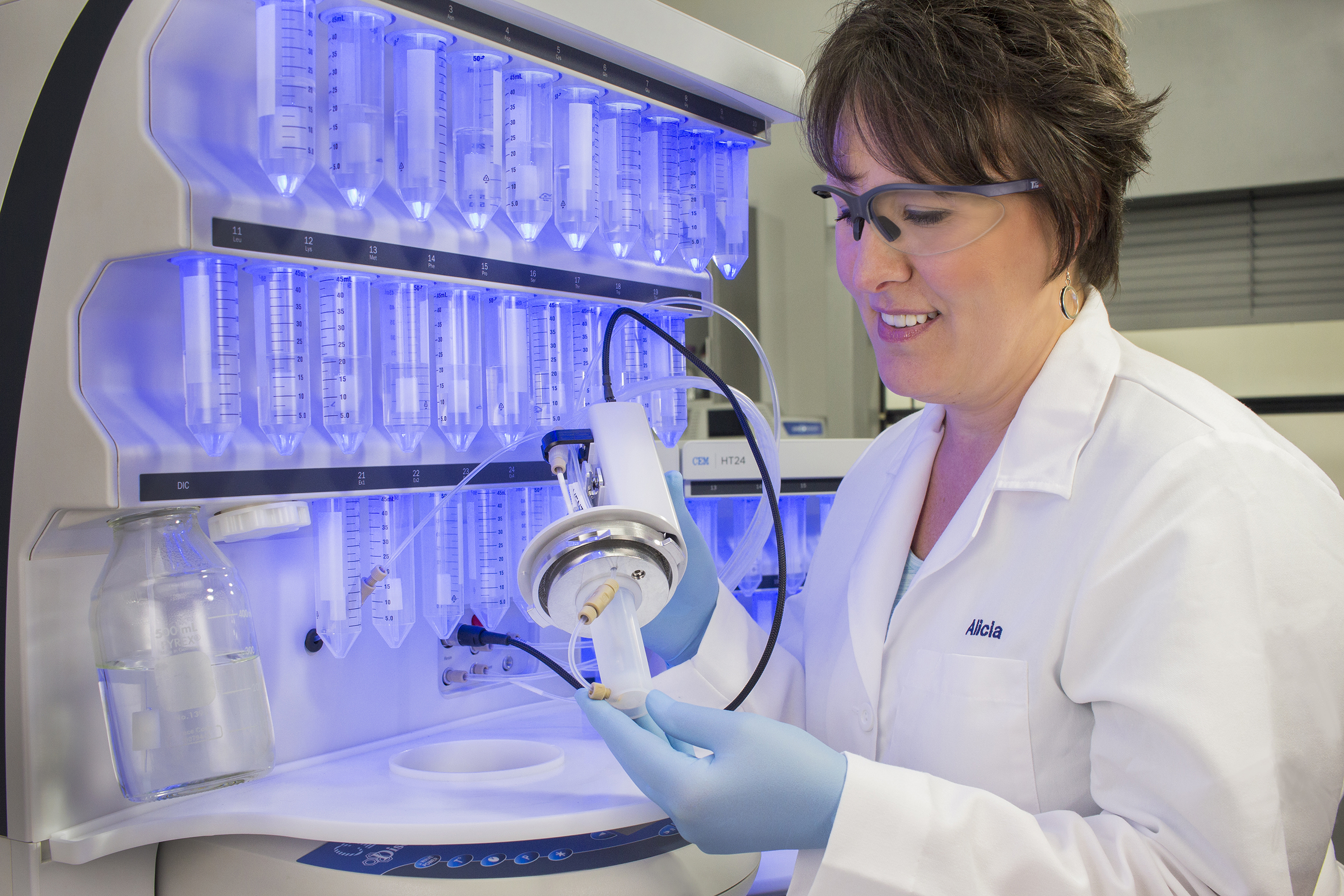
While pharmaceutical applications demand strict adherence to federal drug-framework standards, the research sector operates on a different, though equally critical, baseline. A 2020 review published in Comprehensive Reviews in Food Science and Food Safety establishes that research peptides intended for quantitative biological studies or receptor-binding assays require a purity level of at least 95%. Falling below this threshold introduces risks of distorted experimental data, as truncated sequences and oxidation products can compete with the primary compound for biological targets.
Bridging the gap between raw supply and experimental integrity requires more than a simple purity percentage. A valid Certificate of Analysis must provide batch-specific data, identifying the analytical methods—typically HPLC for quantification and mass spectrometry for identity confirmation—used to clear these hurdles. As of December 2023, the U.S. Pharmacopeia has further formalized these requirements through specific monographs for therapeutic peptides, providing a clear reference against which suppliers can be measured. For practitioners, the shift from self-reported purity to independently verified, batch-level documentation is not merely a regulatory exercise; it is a necessary step to ensure that experimental variables remain controlled and reproducible.
Comments (0)
No comments yet. Be the first!