Handling Wildlife Intrusions: A Guide for Homeowners
Strange scratching or thumping sounds echoing from above often signal an uninvited guest, yet many homeowners react too quickly. Benjamin Gibber, an attic and crawl space expert based in Woodbridge, New Jersey, warns that identifying the intruder and avoiding premature repairs are the first steps to preventing significant structural damage.
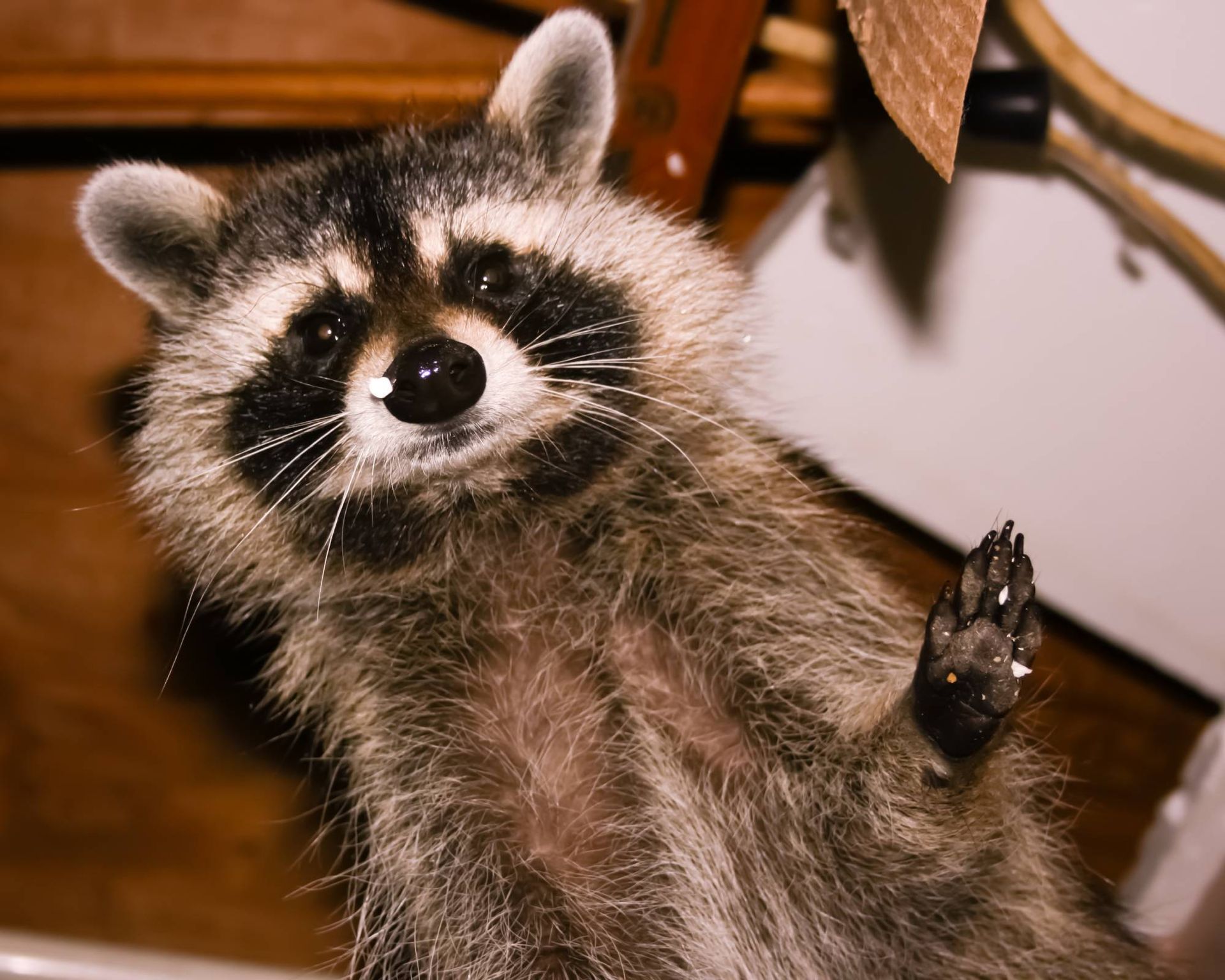
Woodbridge residents frequently encounter squirrels and raccoons seeking shelter in quiet, elevated spaces. Gibber advises homeowners to observe timing patterns: squirrels typically remain active during daylight, while raccoons are nocturnal. Before attempting any intervention, residents should look for physical evidence such as torn vent screens or stained soffits to confirm the animal's presence and entry point.
Sealing an entry point before ensuring all animals have vacated the property is a common mistake that often leads to trapped wildlife and further destruction within walls or ceilings. Instead, professionals utilize one-way doors that allow animals to exit safely while preventing their return. Once the space is cleared, the focus shifts to sanitation and restoration. Contaminated insulation must be removed to eliminate health risks from droppings, while specialized cleaning prevents the odors that often attract future pests.
Long-term prevention requires regular exterior maintenance, such as trimming tree limbs that overhang the roof and securing vents with reinforced metal flashing. Because DIY removal can be both ineffective and hazardous due to potential disease or aggressive behavior, Gibber recommends consulting licensed professionals to ensure compliance with local wildlife laws and to address the root causes of the intrusion.
Comments (0)
No comments yet. Be the first!