Trump’s Global Tariff Pivot Sparks Economic Alarm
Standing in the White House Rose Garden, Donald Trump declared a national emergency and announced a 10% tariff on all imported goods starting April 5. The move, framed as 'liberation day' for the U.S. economy, triggered immediate volatility in global markets and fierce backlash from economists and labor leaders.
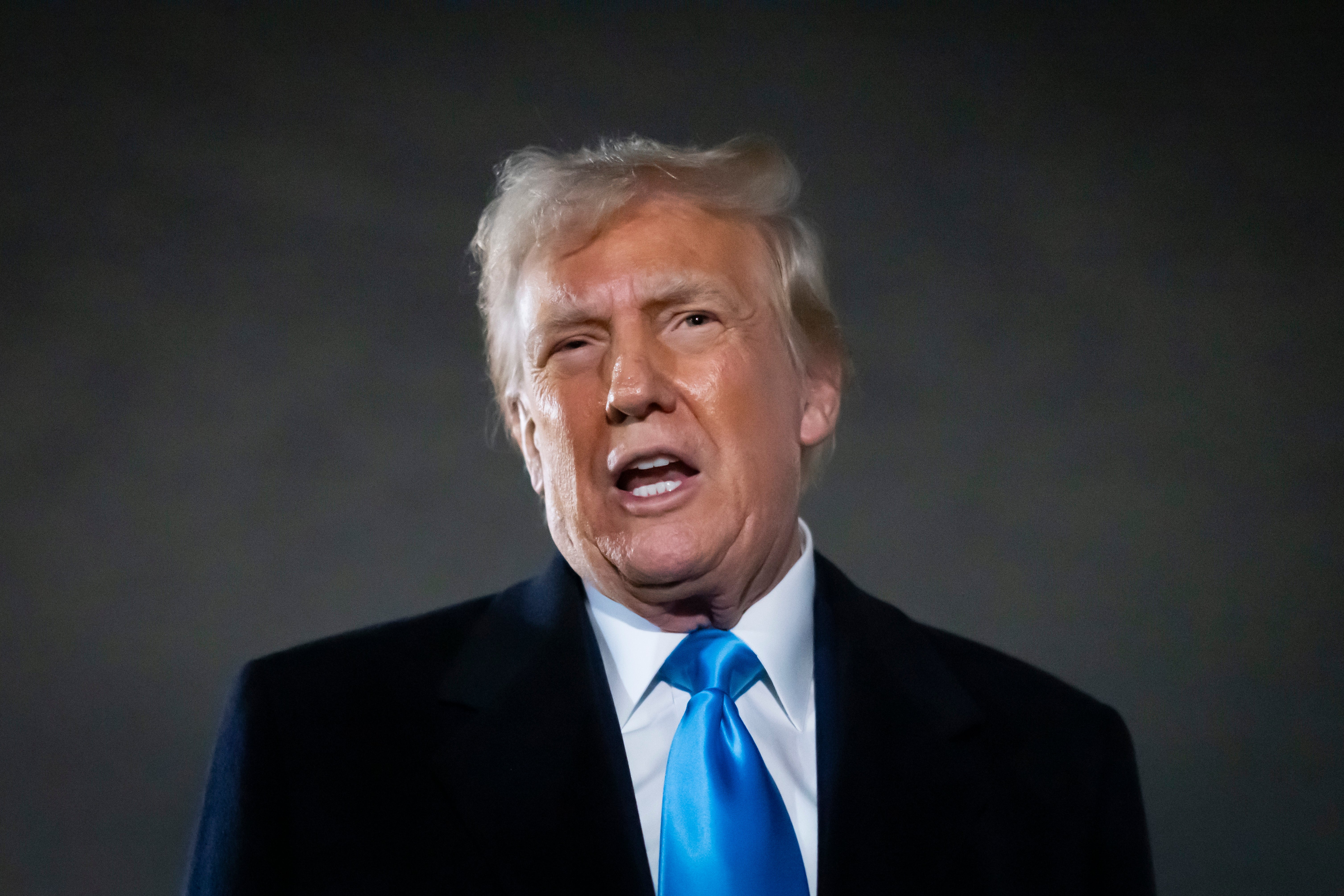
Investors responded to the announcement with a swift retreat from U.S. stock indexes, particularly targeting companies dependent on global supply chains. Dan Ives of Wedbush Securities described the administration's plan as 'worse than the worst case scenario' feared by the street. While the White House justifies the duties as a response to structural imbalances and a lack of reciprocity from trading partners, critics argue the policy lacks a factual basis. Justin Wolfers of the University of Michigan dismissed the administration's figures as having 'no relation to reality,' labeling the duties as grievances rather than strategic trade policy.
Opposition to the plan spans political and economic sectors. Lindsay Owens of the Groundwork Collaborative warned the policy would function as a 'sledgehammer' to the economy, shifting costs directly onto working families. Even proponents of targeted trade protectionism, such as Lori Wallach of the American Economic Liberties Project, argued that the broad, chaotic nature of these tariffs ignores the necessity of accompanying industrial policies like wage support and manufacturing investment. Adding to the controversy, lawmakers noted glaring inconsistencies in the administration's list of targeted nations: Russia remains absent, while the uninhabited Australian territory of the Heard and McDonald Islands was included, leading critics to question the rigor of the policy's design.
Comments (0)
No comments yet. Be the first!