Navigating Liability in Alabama Auto Accidents
Determining fault after a collision in Alabama relies on a nuanced assessment of negligence, local traffic statutes, and physical evidence. Prattville-based personal injury attorney Trey Norman suggests that while rear-end crashes often follow predictable patterns of liability, intersection accidents frequently demand a more rigorous investigation to establish accountability.
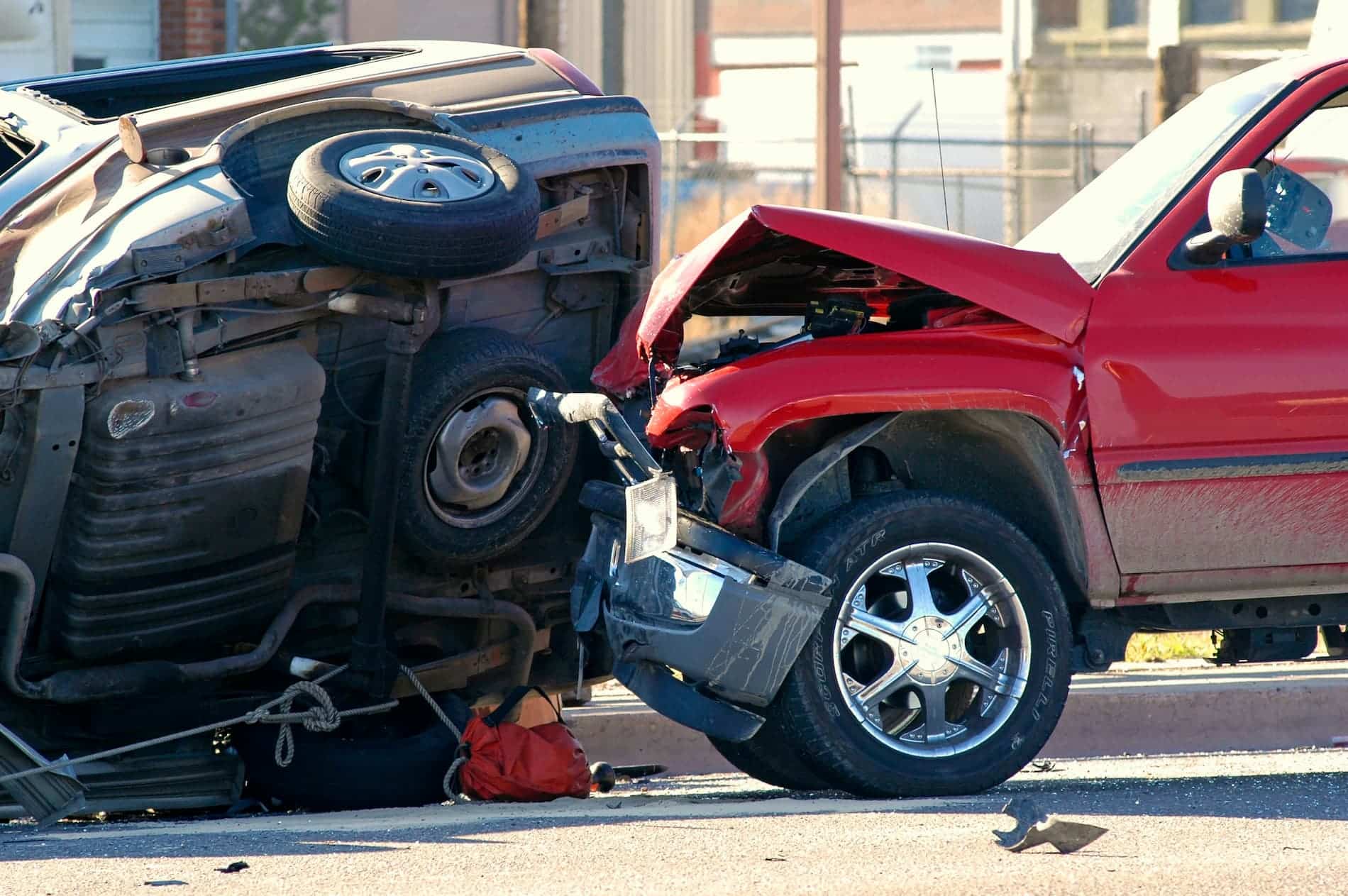
In the state of Alabama, legal responsibility for a crash hinges on the concept of negligence—the failure of a driver to exercise reasonable care on the road. When a rear-end collision occurs, the trailing driver is typically presumed at fault for failing to maintain a safe following distance. However, this presumption is not absolute; if the lead driver engages in erratic behavior, such as sudden, unpredictable braking or reversing, the burden of liability may shift.
Intersection accidents present a higher degree of complexity, as they often involve multiple parties and conflicting accounts. Determining fault in these scenarios requires a meticulous review of police reports, witness testimonies, and physical damage patterns to reconstruct the events. Because insurance companies weigh these elements against state traffic laws—such as right-of-way rules and signaling requirements—the presence of objective evidence is critical. For those navigating the aftermath of a significant accident, professional legal counsel often proves necessary to interpret these factors and ensure that liability determinations accurately reflect the circumstances of the incident.
Comments (0)
No comments yet. Be the first!