Boosting Cereal Rye Seeding Rates Curbs Organic Soybean Weeds
Increasing the density of cereal rye cover crops significantly suppresses weed biomass in organic no-till soybean fields, according to a two-year study conducted by Penn State University researchers. While higher seeding rates do not necessarily produce more rye biomass, they provide a more effective barrier against invasive weed pressure.
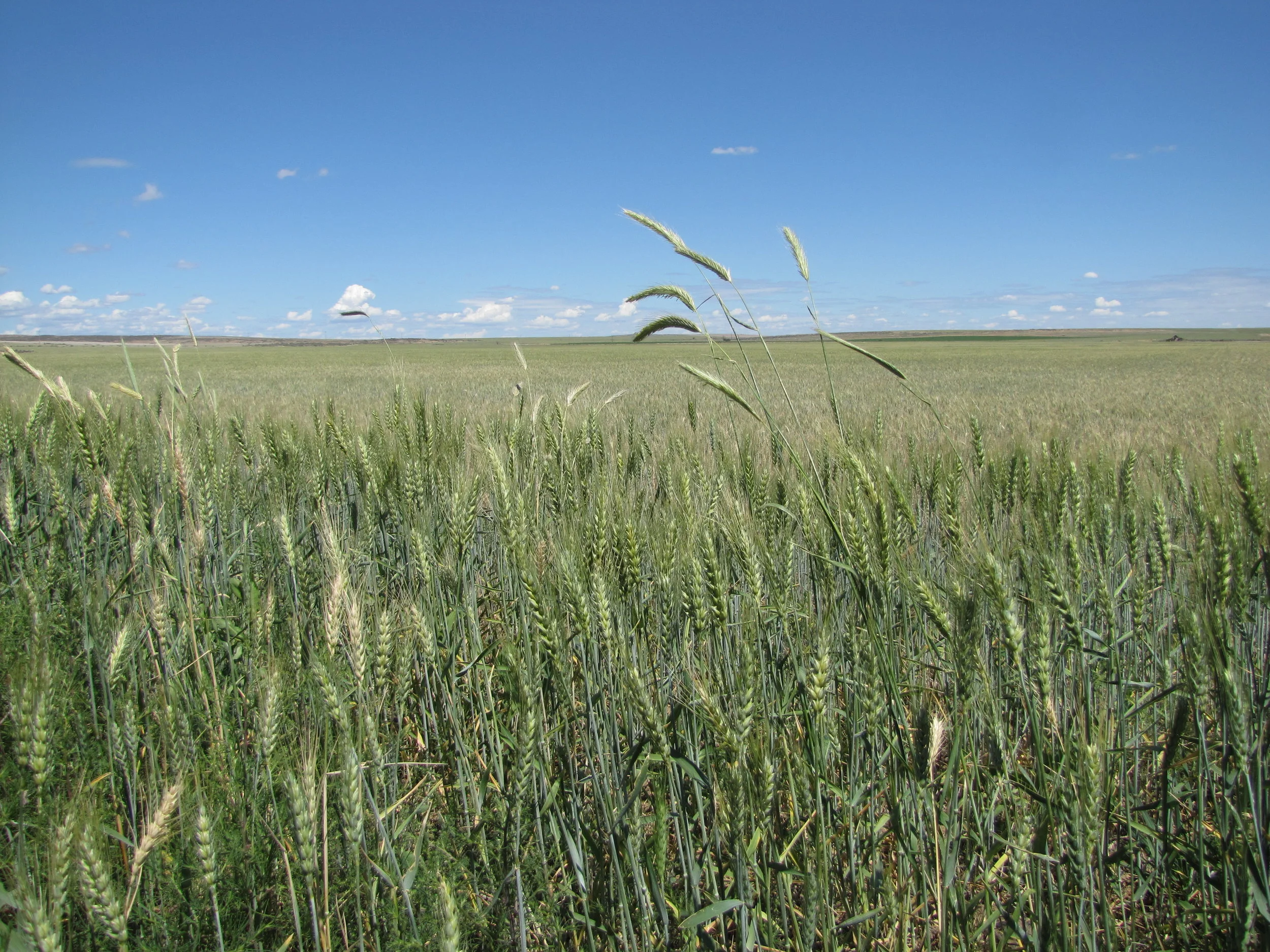
The research, published in the journal Weed Science, examined field experiments at the Russell E. Larson Agricultural Research Center in Rock Springs, Pennsylvania, during the 2021-2023 growing seasons. Laurel Wellman, a Ph.D. student and lead author, noted that all tested cereal rye densities outperformed unseeded control plots in controlling weeds, with the highest seeding rates showing the most significant impact.
Surprisingly, the study found that increasing the seeding rate did not yield additional rye biomass, nor did it negatively impact soybean harvest totals. Furthermore, while fall applications of poultry litter successfully increased overall rye biomass, they failed to provide any measurable improvement in weed suppression. The data suggests that the improved control stems from the density of the rye coverage rather than the total volume of plant material.
Despite these gains, the researchers cautioned that cereal rye alone remains an insufficient solution for total weed management in Northeastern U.S. grain rotations. Planting green—the practice of sowing soybeans into living cover crops—showed potential to reduce soybean establishment and yield in certain conditions. The team concluded that high-density seeding serves best as one component of a broader, integrated weed control strategy rather than a standalone fix.
Comments (0)
No comments yet. Be the first!