Medical Spas Continue Selling Compounded Weight-Loss Drugs Despite Risks
Even after federal GLP-1 shortages officially ended, the market for compounded weight-loss alternatives remains robust. New research reveals that many medical spas and weight-loss clinics continue to source these medications from pharmacies with questionable regulatory histories, including some lacking the necessary licenses for sterile compounding.
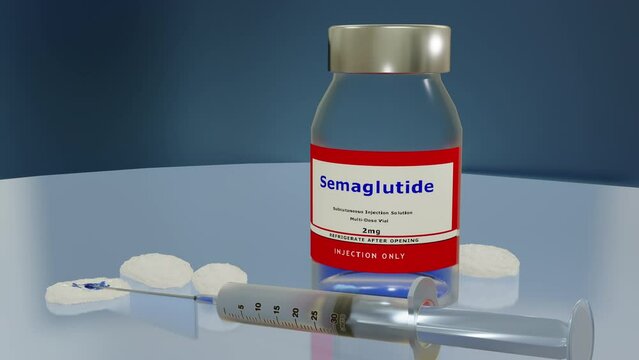
A study published in JAMA Health Forum by the University of Colorado Anschutz examined 75 clinics and medical spas in Oklahoma and West Virginia. Using a secret shopper approach, researchers discovered that businesses are increasingly adding ingredients like vitamin B12 to semaglutide and tirzepatide products. Lead author Michael J. DiStefano noted that while these additions are often presented as individualized formulations, evidence remains thin regarding whether they offer any clinical benefit or safety improvement.
The investigation uncovered significant supply-chain vulnerabilities. Among the 23 compounding pharmacies identified, four lacked sterile compounding licenses, and several others had recent disciplinary records or FDA warning letters. While compounded versions have provided a cheaper alternative for patients struggling with the high costs or insurance gaps associated with name-brand drugs like Wegovy and Zepbound, the research highlights a disconnect between market availability and regulatory oversight. Researchers suggest that without more transparency, patients are currently forced to balance the affordability of their obesity treatment against the unknown quality of the medications they receive.
Comments (0)
No comments yet. Be the first!