Nobel Laureate Frances Arnold to Engineer RNA Tools for Angelman Syndrome
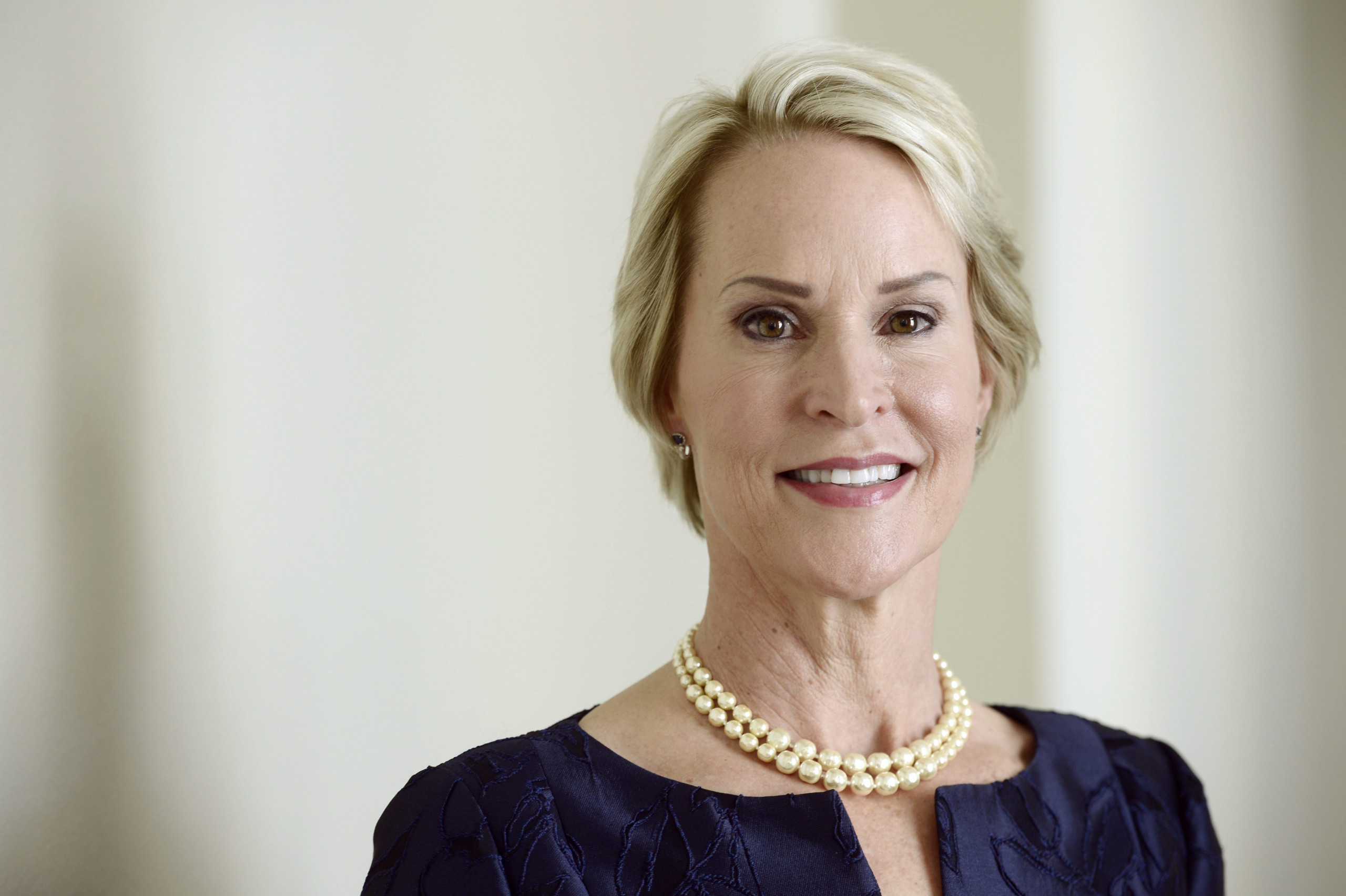
Frances Arnold, the 2018 Nobel Prize winner in Chemistry, has secured a two-year grant from the Foundation for Angelman Syndrome Therapeutics. Her laboratory will deploy directed evolution—the same Nobel-winning method she pioneered—to engineer enzymes capable of creating durable nucleoside analogs for treating the rare neurogenetic disorder.
The project targets the UBE3A-ATS transcript, a critical element in the development of Angelman syndrome, which occurs when the maternally inherited UBE3A gene loses function. By using machine learning alongside directed evolution, Arnold’s team aims to streamline the production of nucleoside analogs. These synthetic molecules are engineered to resist degradation in the body, potentially offering superior stability for RNA-targeted therapies compared to current options.
This initiative aligns with the drug development pipeline at FAST, specifically focusing on strategies to restore the expression of the silent paternal UBE3A gene. Chief Science Officer Dr. Allyson Berent noted that the work could significantly improve the half-life and brain distribution of future therapeutics. Supported by Maddie’s Mission Foundation and the Shaw Family, the research represents a strategic effort to bridge the gap between early-stage scientific discovery and clinical application for a condition that currently requires lifelong care.
Comments (0)
No comments yet. Be the first!