Spotting the Subtle Shifts in Pet Health
Pets are masters of masking discomfort, often maintaining their daily routines long after an illness has taken hold. Dr. Kristian Shriver, a veterinarian at Animal Medical of Covington, suggests that the key to effective treatment lies in recognizing minor behavioral deviations before they escalate into complex medical emergencies.
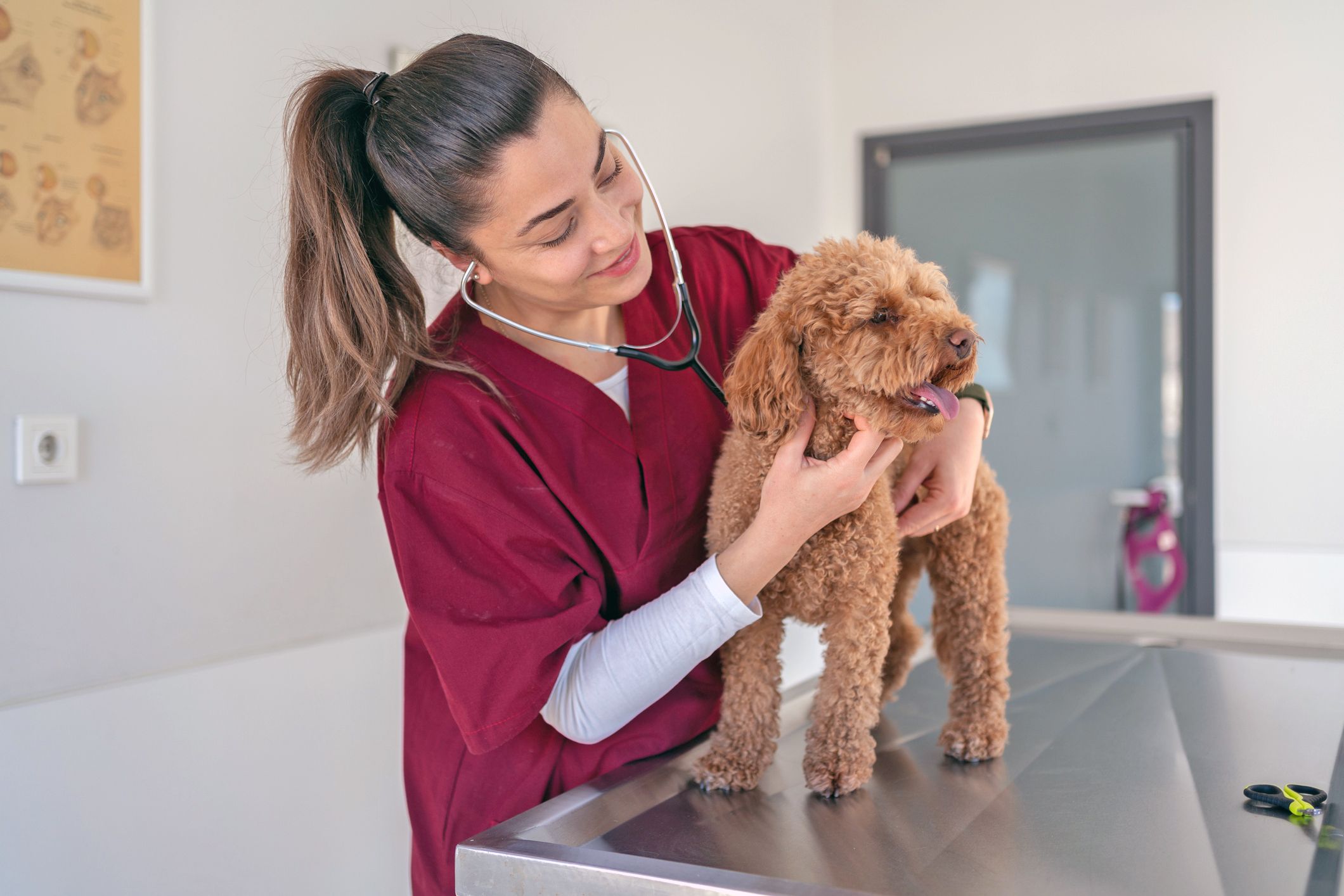
Owners should monitor shifts in eating and drinking patterns, as a sudden loss of appetite or increased thirst often serves as an early red flag. Beyond nutrition, behavioral changes—such as a vibrant dog turning lethargic or a social cat retreating into isolation—warrant closer observation. These signals become particularly significant when they appear alongside physical symptoms like labored breathing, persistent coughing, or visible stiffness during movement.
Mobility issues and irregularities in bathroom habits offer further diagnostic clues. Difficulty navigating stairs or hesitation to jump may point to underlying joint pain or injury, while changes in waste elimination can indicate digestive or kidney distress. Dr. Shriver emphasizes that maintaining a consistent schedule for veterinary wellness exams is vital. These routine checkups establish a health baseline, allowing practitioners to track weight, heart function, and dental health, ultimately providing a clearer picture of a pet’s condition over time.
Comments (0)
No comments yet. Be the first!