Why Two-Layer Asphalt Is the Gold Standard for Driveway Longevity
A driveway does more than hold a parked car; it acts as a structural system against shifting soil and seasonal weather. According to Stephen Carozza of Bedford Paving LLC, the secret to preventing premature cracking and surface rutting lies in a dual-layer construction method that prioritizes foundation integrity over aesthetics.
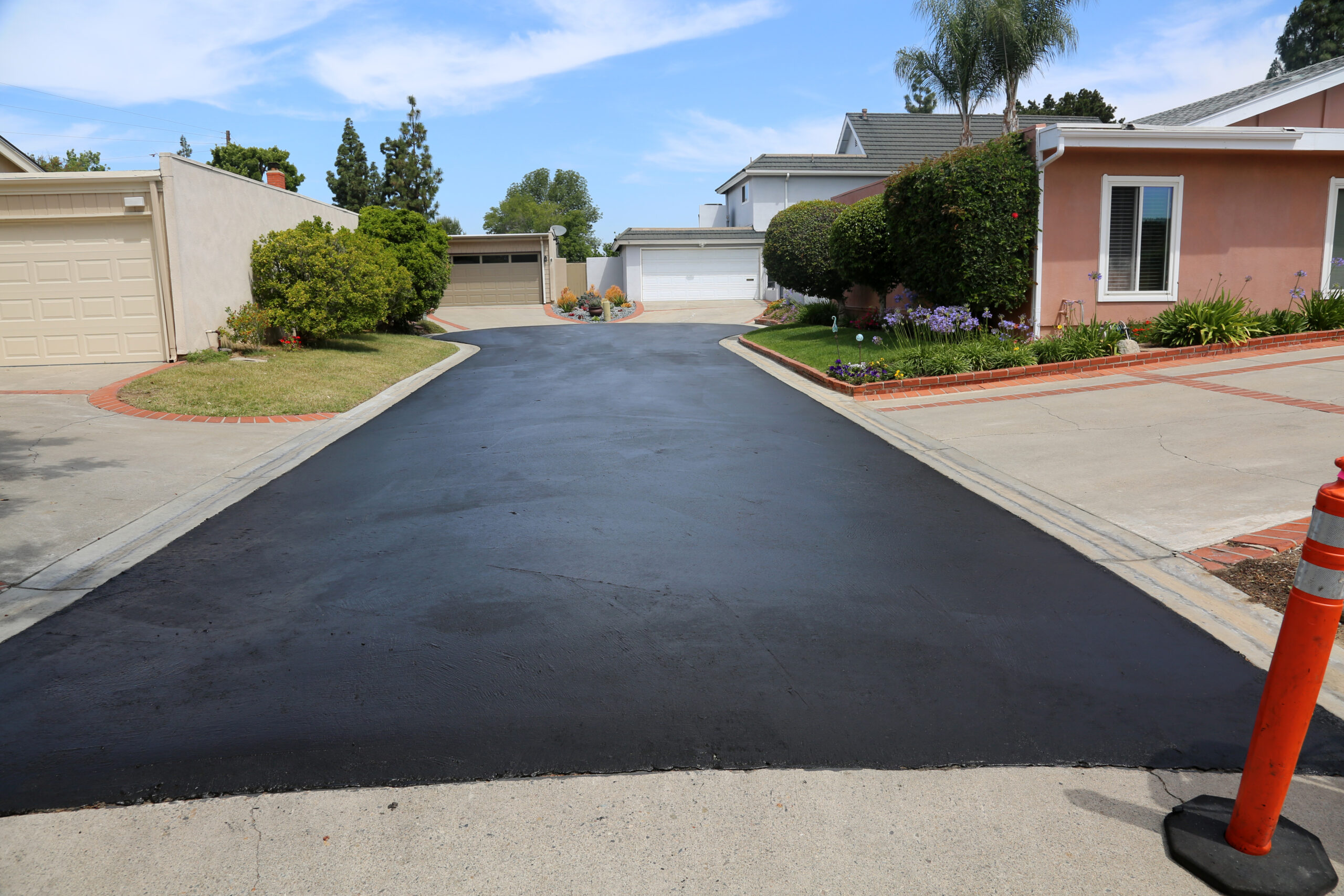
The construction process begins long before the first load of asphalt arrives. Proper grading and compaction of the aggregate base create a stable platform, ensuring that the weight of heavy vehicles is distributed evenly rather than settling into weak spots. This foundation is the bedrock upon which the two-layer system succeeds.
The lower layer functions as the primary structural support, designed to absorb the mechanical stress of daily traffic and seasonal temperature fluctuations. By carrying the bulk of the load, it shields the foundation from direct impact. The upper layer, meanwhile, serves as a protective shield. When properly compacted, this top coat creates a dense barrier that limits moisture infiltration and guards against UV degradation, keeping the structural base dry and secure.
Effective installation requires more than just layering materials. Contractors must account for drainage and consistent compaction to ensure the two layers bond into a single, resilient unit. Even with superior construction, long-term performance relies on proactive maintenance. Tasks like sealcoating and timely crack repair prevent water from penetrating the surface, effectively extending the lifespan of the pavement well beyond that of single-layer alternatives.
Comments (0)
No comments yet. Be the first!