Why Construction Timelines Collapse: The Case for Better Coordination
When individual crews work at peak capacity but a project still misses its deadline, the failure usually lies in the choreography of the site. Jason Brownlie, a commercial plumbing and mechanical expert in Rochester, argues that poor subcontractor sequencing is the primary culprit behind stalled large-scale construction builds.
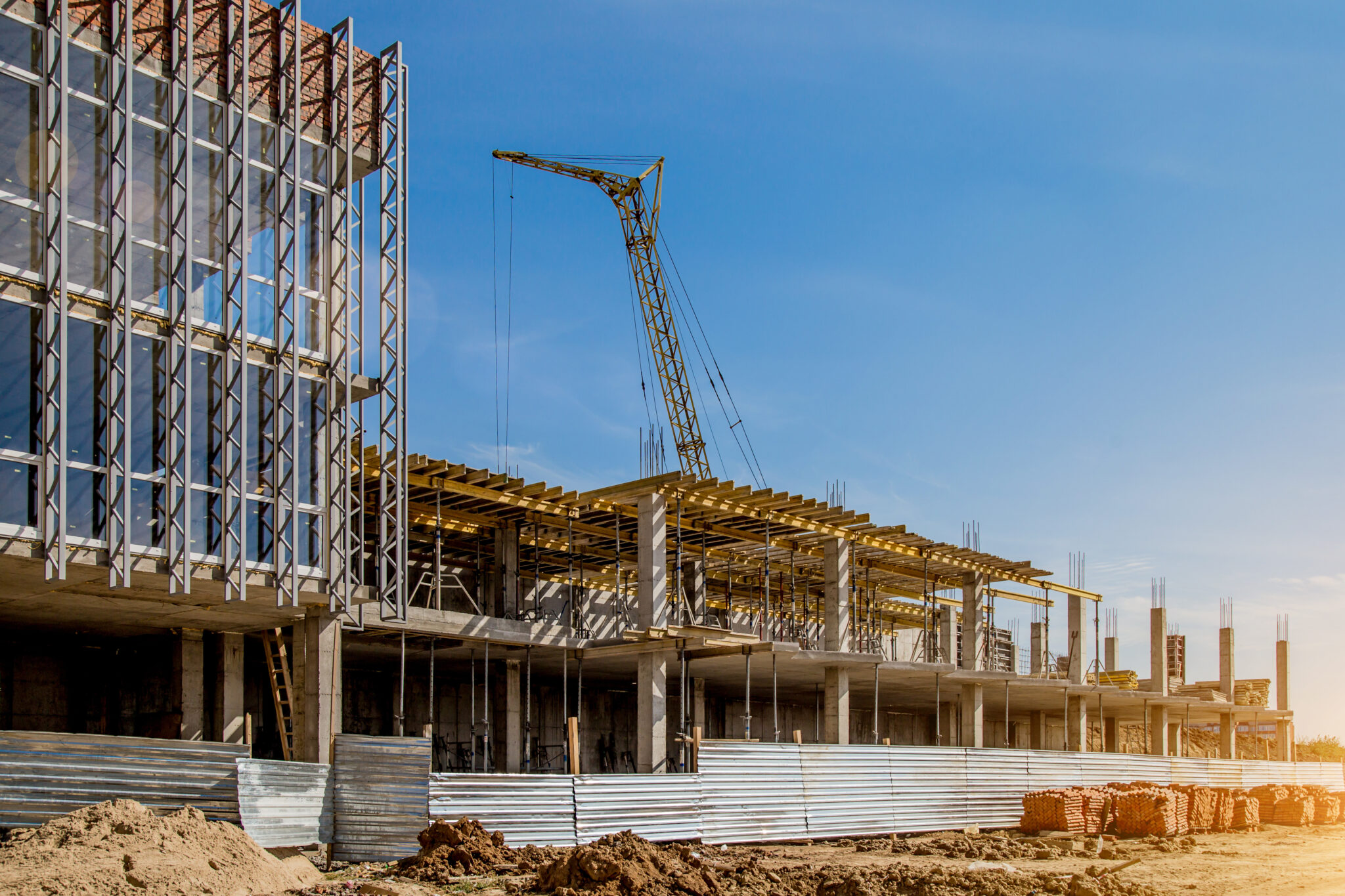
The friction often begins with basic sequencing. Mechanical systems, electrical conduits, and HVAC ductwork occupy the same physical space, requiring a rigid order of operations. When drywall teams arrive before rough-ins are complete or electrical crews block plumbing access, the resulting downtime creates a compounding effect that delays every subsequent phase. Relying on a general contractor to manage these technical interdependencies often fails, as the oversight lacks the specialized mechanical knowledge required to align these trades effectively.
Beyond sequencing, the issue frequently boils down to information silos. Subcontractors working from outdated blueprints or missing critical communication updates are prone to costly rework. Proactive management requires a centralized coordinator who bridges the gap between design teams and the field. This role extends to supply chain oversight, where tracking material deliveries against installation windows prevents crews from sitting idle. By centralizing accountability, project leaders can absorb the inevitable shock of change orders and design revisions without allowing them to cascade into site-wide bottlenecks. In modern commercial building, the ability to manage schedules and communication has become as vital as technical craftsmanship.
Comments (0)
No comments yet. Be the first!