Decoding Homeowners Insurance: What Standard Policies Often Miss
For most homeowners, a policy is only as valuable as the fine print they ignore. Broomfield-based insurance expert Rick Hernandez warns that standard coverage is designed for sudden, unexpected disasters—not the gradual decay of a property—leaving many owners with dangerous gaps in their financial protection.
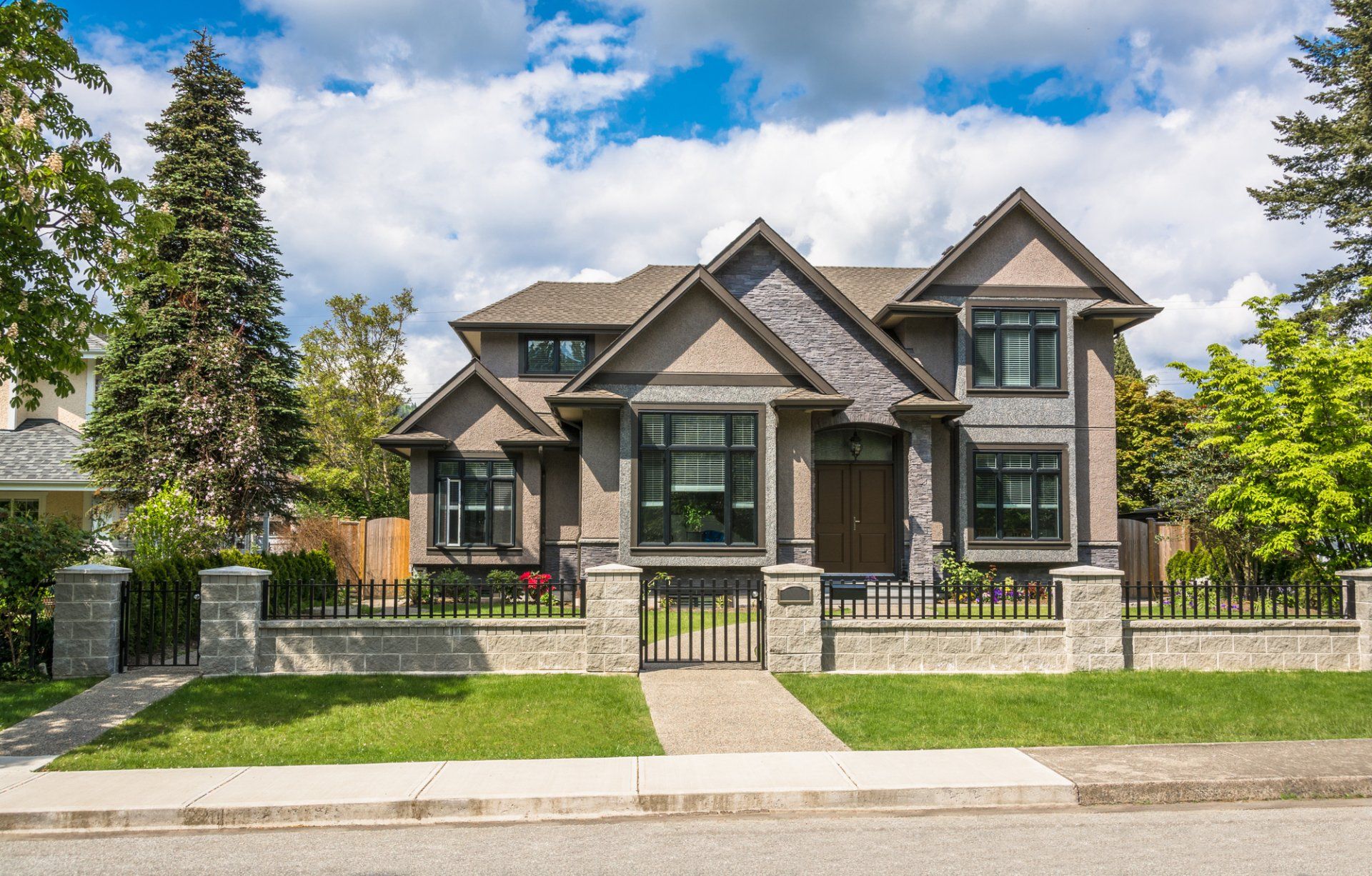
Standard policies typically center on the structure of the home, covering walls, roofs, and foundations against specific perils like fire or windstorms. Beyond the building itself, coverage often extends to personal property, though high-value items frequently hit internal payout caps. Liability protection rounds out the core of these plans, shielding homeowners from the costs of injuries occurring on their property or accidental damage caused to others.
The real friction arises from what standard plans omit. Flood and earthquake damage are almost never included, requiring homeowners to secure separate endorsements to avoid total loss in those events. Similarly, insurance is not a maintenance contract. Any damage resulting from routine wear and tear or long-term neglect—such as aging systems or slow-developing leaks—remains the financial responsibility of the owner.
Navigating these policies requires a clear grasp of two levers: the deductible and the coverage limits. The deductible dictates the out-of-pocket cost before the insurer steps in, while the limits define the ceiling of support. Hernandez notes that environmental factors, such as local weather patterns, should dictate these settings. Relying on a default policy without accounting for specific regional risks often leaves homeowners underinsured when a claim is filed.
Comments (0)
No comments yet. Be the first!