Unearthing Giants: Inside the Fukui Prefectural Dinosaur Museum
A nineteen-meter skeleton of the Chinese sauropod Xinjiangtitan looms over the Fukui Prefectural Dinosaur Museum, serving as the centerpiece for an exhibition exploring the evolutionary mechanics behind the largest land animals in history. Running through November 3, the display brings together rare fossils from Japan, China, and Spain.
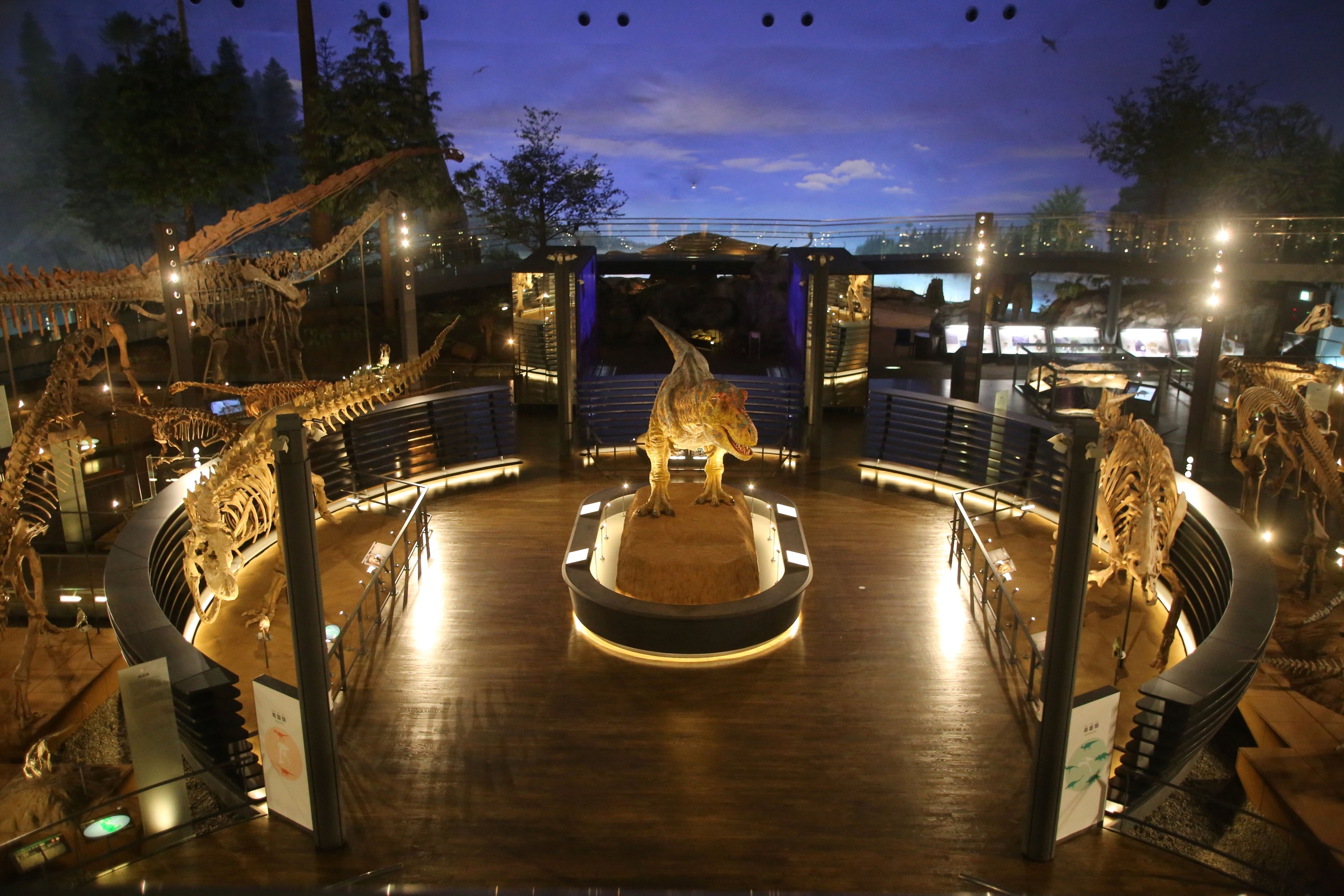
The exhibition, titled "Sauropods: The Largest Creatures Ever to Walk the Earth," prioritizes the physical reality of these massive herbivores over mere illustration. Xinjiangtitan is displayed in situ, preserving the original arrangement of its bones as they were excavated rather than relying on a reconstructed model. This approach is complemented by the world-premiere exhibition of the Iniestapodus footprint fossil, a cast now shown to the public for the first time.
Researchers have curated specimens from every Japanese locality where sauropod remains have been unearthed, including the notable Tambatitanis. By contrasting the five-meter forelimb of a Brachiosaurus with the 1.8-meter limb of a Fukuititan, the museum provides a tactile sense of scale that bridges the gap between scientific data and human perception. The museum, located in Katsuyama, continues to anchor the Hokuriku region’s reputation as a global hub for paleontological research.
Comments (0)
No comments yet. Be the first!