Star Gold Shifts Strategy at Nevada Longstreet Project
With earthwork already underway in Nye County, Star Gold Corp. is abandoning the traditional sequential model of mine development. The company has launched an 11-hole drill campaign designed to simultaneously tackle exploration, hydrologic testing, and metallurgical sampling, aiming to streamline the path toward a future production decision.
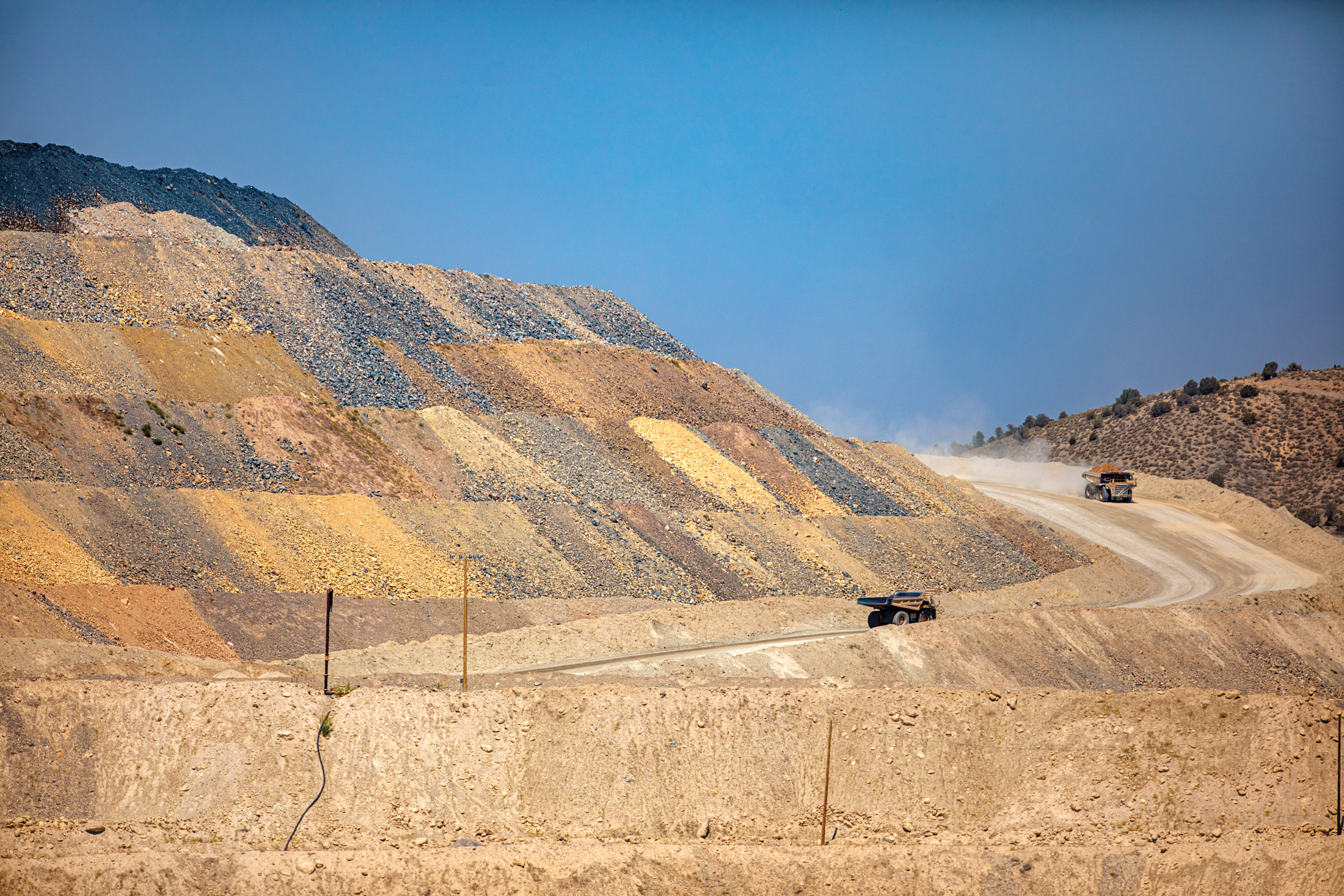
The summer 2026 program at the Longstreet Gold-Silver Project represents a departure from standard junior mining practices, where exploration and permitting often occur in costly, isolated stages. By utilizing an HQ core drilling approach, Star Gold intends to generate multi-purpose data sets from a single mobilization. This method allows the company to extract representative assay samples while simultaneously satisfying the environmental and hydrologic documentation required for eventual mine permitting.
The campaign features a strategic mix of targets. Eight angled holes will focus on expanding the Main resource area, while three vertical holes serve infrastructure needs. Among these, the company is drilling its first-ever water production well and two monitor wells equipped with piezometers. One of the vertical holes will reach a depth of 800 feet, marking the first deep-level test of the Opal Ridge target located south of the main deposit.
According to CEO Lindsay Gorrill, the decision to integrate water and monitor wells into the exploration footprint is a calculated move to avoid future regulatory delays. By securing baseline groundwater data now, the company aims to move the project through feasibility studies without waiting for additional permitting cycles. All core samples will be processed in Tonopah before being shipped to ALS Global in Reno for assay, with results expected to be released as they are validated.
Comments (0)
No comments yet. Be the first!