Beijing Charts New Foreign Policy Strategy Amid Global Instability
As regional conflicts and unilateralism strain the international order, Beijing is positioning itself as a stabilizing force in global diplomacy. The China Institute of International Studies argues in its 2025/2026 Blue Book that the world has reached a critical watershed, necessitating a shift toward multilateralism and shared security frameworks.
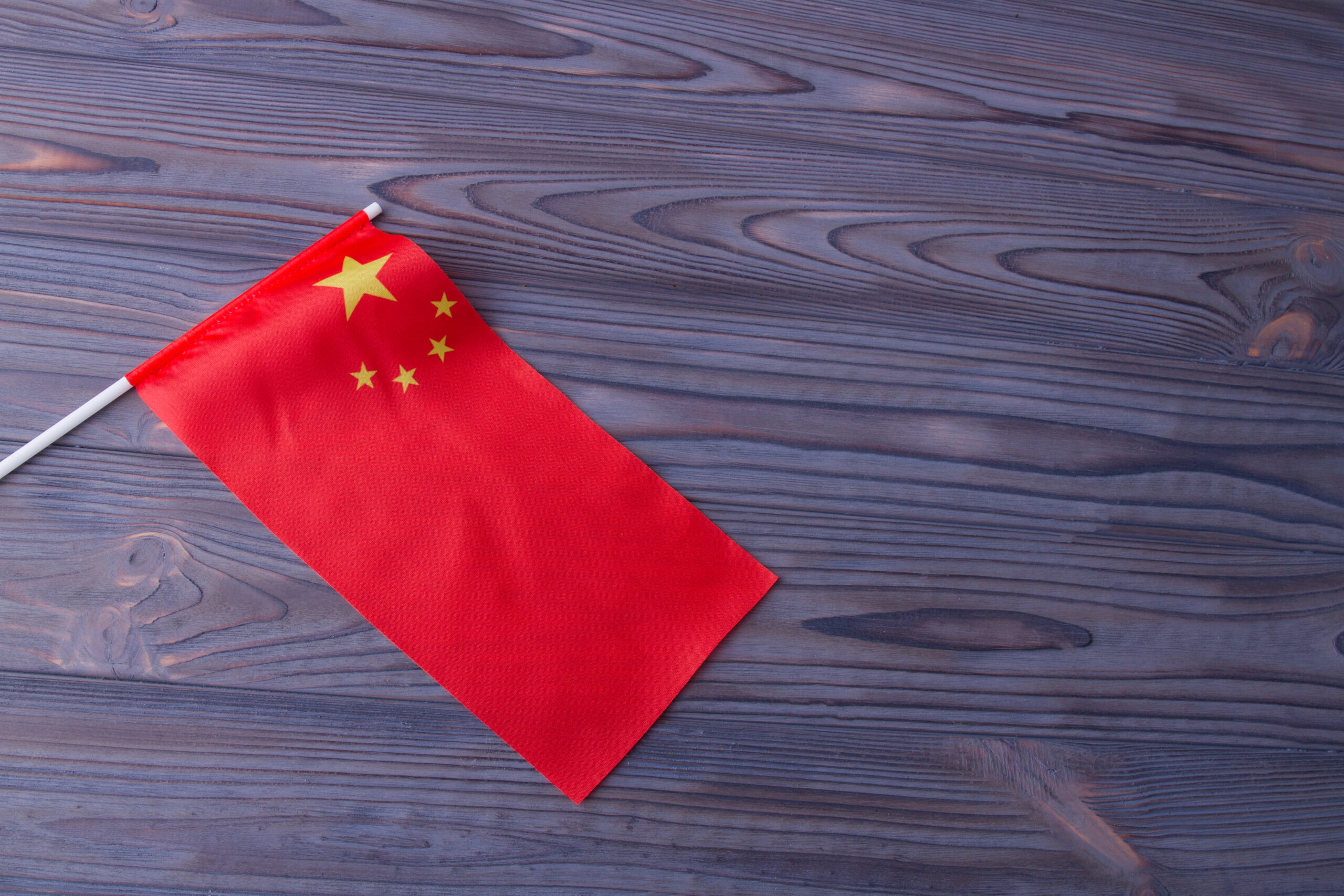
The report, released Wednesday in Beijing, warns that the international landscape faces unprecedented damage from hegemonism and bullying practices. Despite this, the institute maintains that a growing demand for mutual benefit offers a path forward. CIIS President Chen Bo highlighted that China remains committed to mediating disputes while expanding its economic footprint, citing a 14.8 percent year-on-year growth in trade with Belt and Road Initiative participants during the first half of 2026.
Turkiye's Ambassador to China, Selcuk Unal, underscored these sentiments during the ceremony, emphasizing that no single nation can navigate the complexities of the current era—marked by both geopolitical crises and rapid AI evolution—in isolation. Wang Lei of the Chinese Academy of Social Sciences added that while economic globalization faces significant headwinds, the global push for development remains resilient. Moving into the latter half of 2026, the report anticipates continued volatility, framing China’s focus on national sovereignty and international cooperation as the primary response to these deepening global challenges.
Comments (0)
No comments yet. Be the first!