Why Orthodontists Insist on Retainers After Braces
Removing braces marks the end of active treatment, but it does not stop the biological process of tooth movement. Dr. Peter Rivoli of Rivoli Orthodontics warns that without consistent retainer use, the ligaments supporting the teeth can cause them to drift back toward their original, misaligned positions.
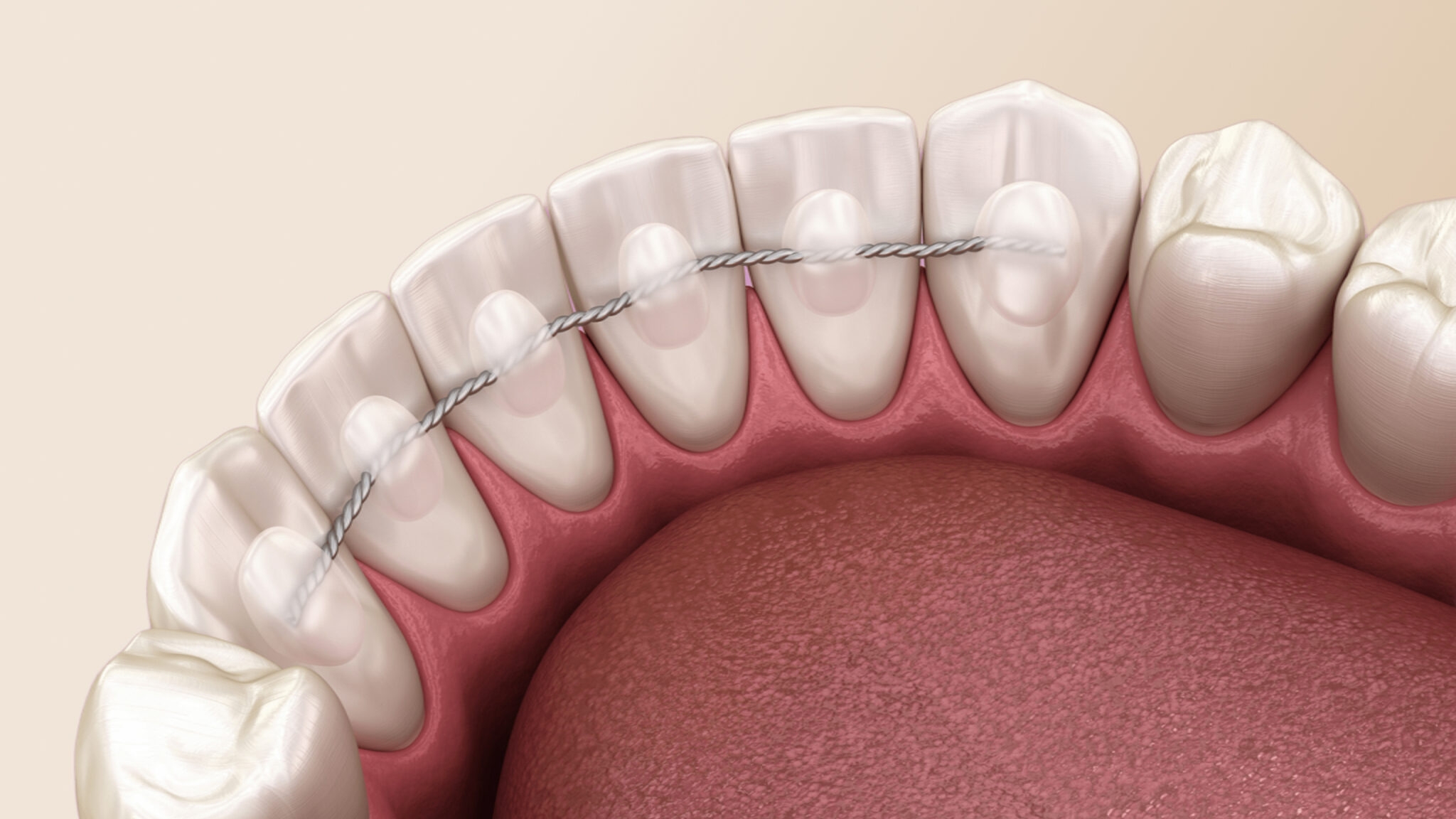
The stabilization phase is critical because teeth are held by a memory-retaining ligament system. Even after alignment is achieved, surrounding bone and soft tissue require time to set in their new locations. Dr. Rivoli explains that retainers act as a necessary scaffold during this period, preventing shifts caused by chewing, speaking, and daily wear.
Orthodontic retention is a long-term commitment. Teeth can begin to migrate within weeks of removing appliances, and subtle shifts often go unnoticed until bite alignment or comfort is compromised. Whether using removable trays or fixed wires, the goal remains the same: maintaining the functional and cosmetic results of treatment. Because factors like aging, wisdom teeth, and dental restorations can influence alignment indefinitely, many practitioners now advocate for long-term or even lifelong nighttime wear. Patients who skip this step often face the discomfort of tight-fitting retainers, a clear signal that the teeth have already begun to move.
Comments (0)
No comments yet. Be the first!