Why Cultural Relevance Trumps Reach in the 2026 Midterms
Political campaigns often confuse mass reach with actual voter connection, but a new report from My Code suggests that party affiliation is merely a starting point. To truly persuade voters in the 2026 midterms, strategists must move beyond broad messaging and address the specific financial and personal pressures voters face.
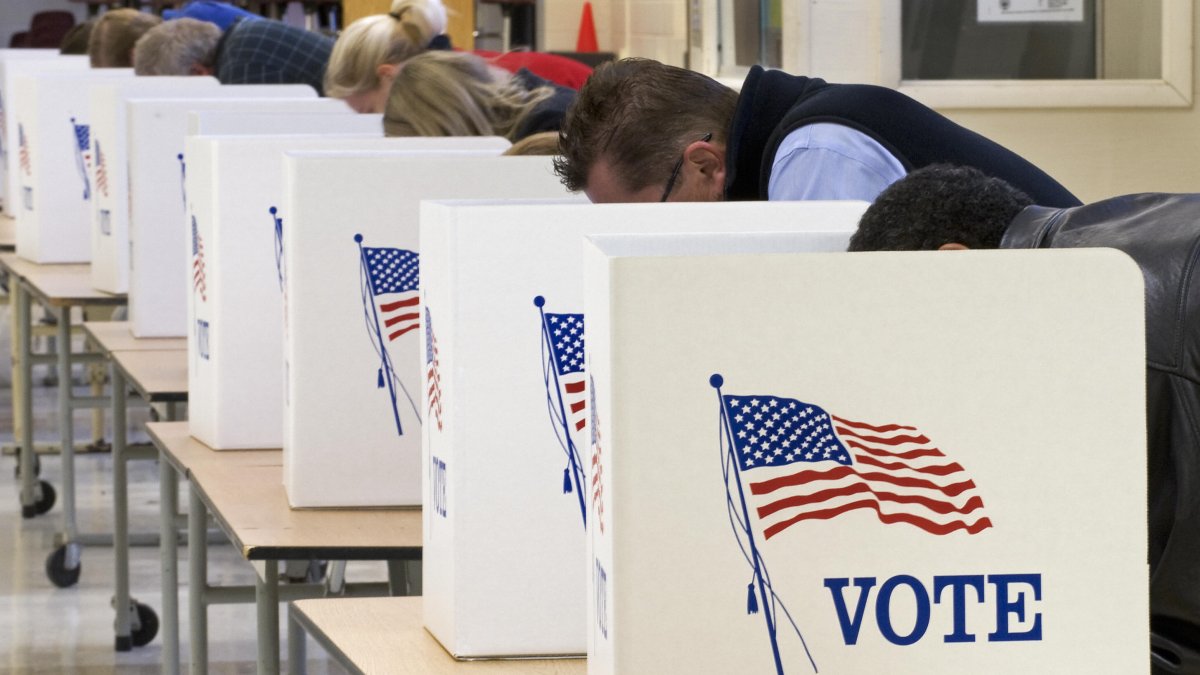
The report, Beyond Party Lines, highlights that while party identification provides a baseline for engagement, it fails to explain which issues resonate on a personal level. By analyzing voters through a three-lens approach—party, multicultural identity, and generation—the study reveals that relevance is the primary gatekeeper for political communication. Data from the March 2026 Multicultural Political Tracker confirms that financial strain, particularly regarding inflation and tariffs, remains a dominant concern across all political spectrums.
Beyond economic anxiety, the research exposes how policy directly impacts voter perception. Half of Gen Z voters personally know individuals affected by immigration policy, a figure that climbs to 61.2% among Hispanic Gen Z. Furthermore, the findings indicate that perceived safety in political discourse is a major factor in engagement. Roughly half of voters across all parties report a fear of retaliation when discussing politics, suggesting that silence is frequently a defensive posture rather than apathy. Amani Duncan, CEO of My Code, emphasizes that campaigns treating cultural intelligence as a core strategy rather than a secondary checklist will be the only ones to successfully secure voter attention in November.
Comments (0)
No comments yet. Be the first!