Iran Sets High Price for Strait of Hormuz Reopening
Facing dwindling domestic support and depleted precision weapon stocks, the Trump administration is signaling a willingness to end its conflict with Iran. Tehran, however, is refusing to clear the critical Strait of Hormuz without a sweeping withdrawal of U.S. forces and a complete reversal of regional policies.
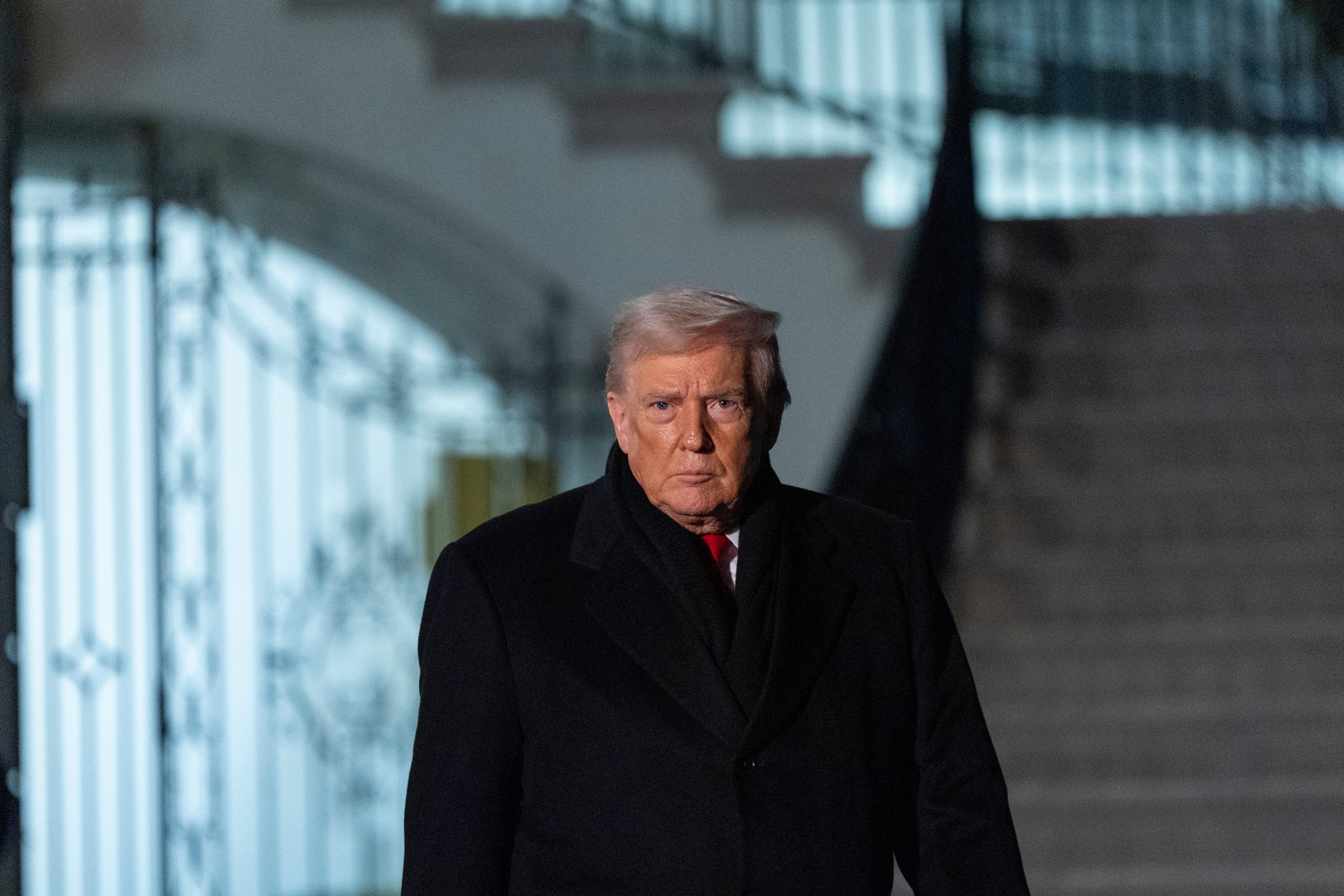
Mohammad Bagher Zolghadr, secretary of Iran's Supreme National Security Council, stated Saturday that the waterway will remain closed until the United States fundamentally changes its behavior. The list of Iranian demands is extensive: a permanent end to the naval blockade, full compensation for war damages, the lifting of sanctions, and the unfreezing of assets. Furthermore, Tehran is conditioning cooperation on an end to Israeli military operations in Palestine and Lebanon, alongside a cessation of attacks against Houthi forces in Yemen.
While the White House maintains it is only "semi-negotiating" through low-key channels, the political landscape for the president is darkening. Gas prices have climbed past $4 a gallon, and recent polling shows approval for his handling of the war at just 28%. Analysts suggest these pressures have emboldened Tehran. Kenneth Roth of Human Rights Watch described the administration's approach as a "masterclass in how not to negotiate," noting that the president's evident desperation for an exit has only invited further demands. Trita Parsi of the Quincy Institute echoed these concerns, arguing that military escalation has only weakened the U.S. position and that diplomatic concessions are now the only viable path forward.
Comments (0)
No comments yet. Be the first!