Claremedica detects 90% of early-stage dementia using Creyos platform
By replacing legacy paper-based screening with digital cognitive testing, Florida-based Claremedica has identified over 90% of new dementia cases at their earliest, most treatable stages. The shift marks a departure from traditional primary care tools that frequently fail to register cognitive decline until it reaches a moderate or severe state.
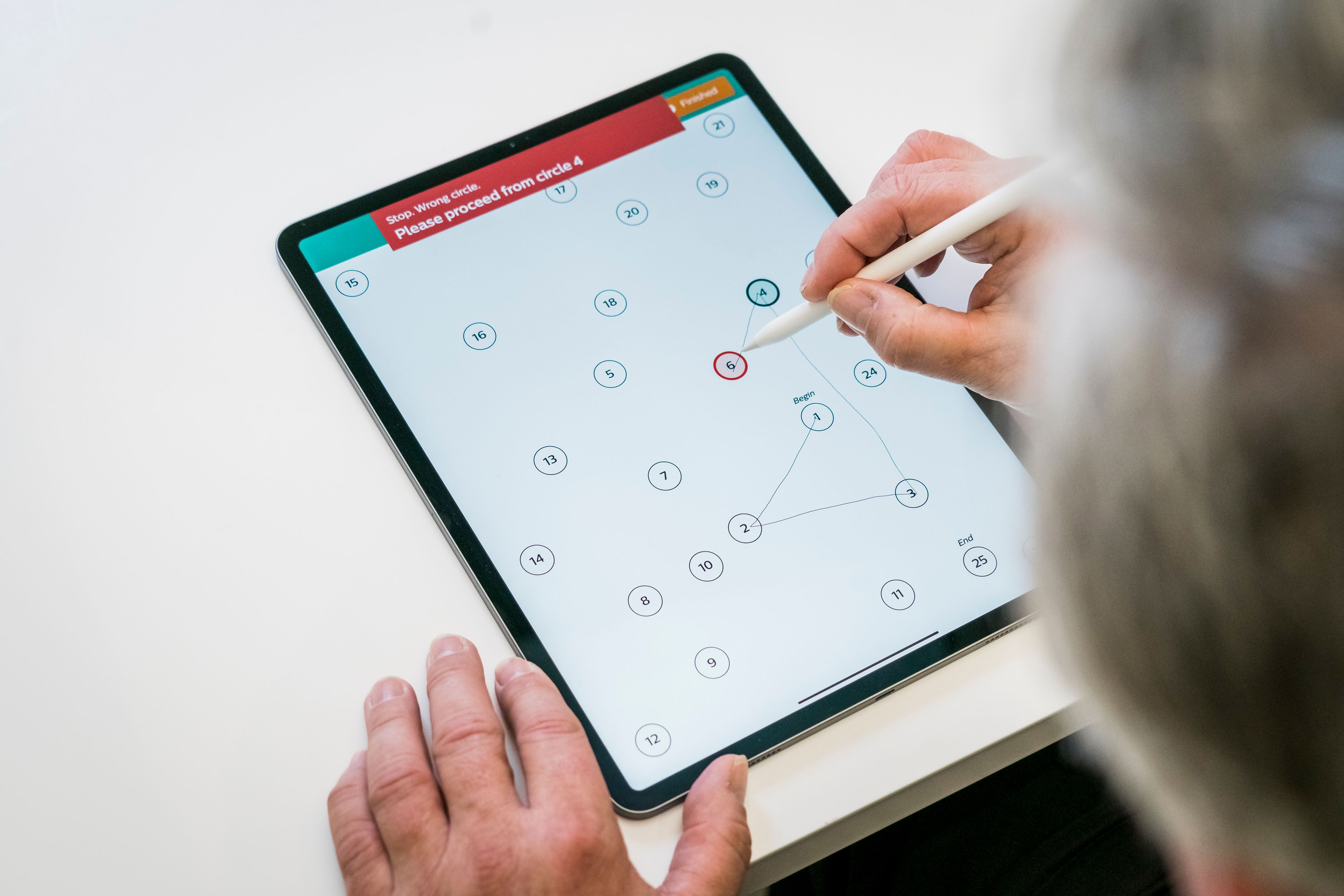
In the seven months since deploying the Creyos assessment platform across its 35 Florida locations, Claremedica saw its dementia detection rate more than double. The organization previously relied on the Mini-Mental State Exam, a tool that often missed subtle cognitive shifts. Data shows that nearly 80% of the patients now identified with early impairment had passed previous paper-based screenings, despite showing signs of decline.
Dr. Nehal Gheewala, Chief Medical Officer at Claremedica, noted that the move to digital assessments—which track memory, attention, and executive function—has also improved clinical efficiency. By cutting screening time from 12 minutes to six, the system returns roughly 90 minutes of daily caseload time to each physician. The platform’s ability to support multiple languages, including Haitian Creole, has proven vital for the organization's diverse patient population of 34,000 Medicare Advantage members.
Physician buy-in reached 95% on the first day of the rollout, an achievement attributed to a series of transparency-focused seminars led by Creyos co-founder Professor Adrian Owen. By presenting three decades of peer-reviewed research before implementation, the team secured clinician trust in the technology’s validity. Claremedica is now monitoring how this earlier identification influences patient outcomes, specifically targeting reductions in falls and avoidable hospitalizations over the next two years.
Comments (0)
No comments yet. Be the first!