Navigating Child Development: Expert Insights on Milestones
Every child follows a unique growth trajectory, yet parents often grapple with when a delay requires professional intervention. Dr. Kelli Sears, a pediatric neurodevelopment expert, outlines how to distinguish between natural variations in learning and potential red flags that warrant a formal evaluation of a child’s progress.
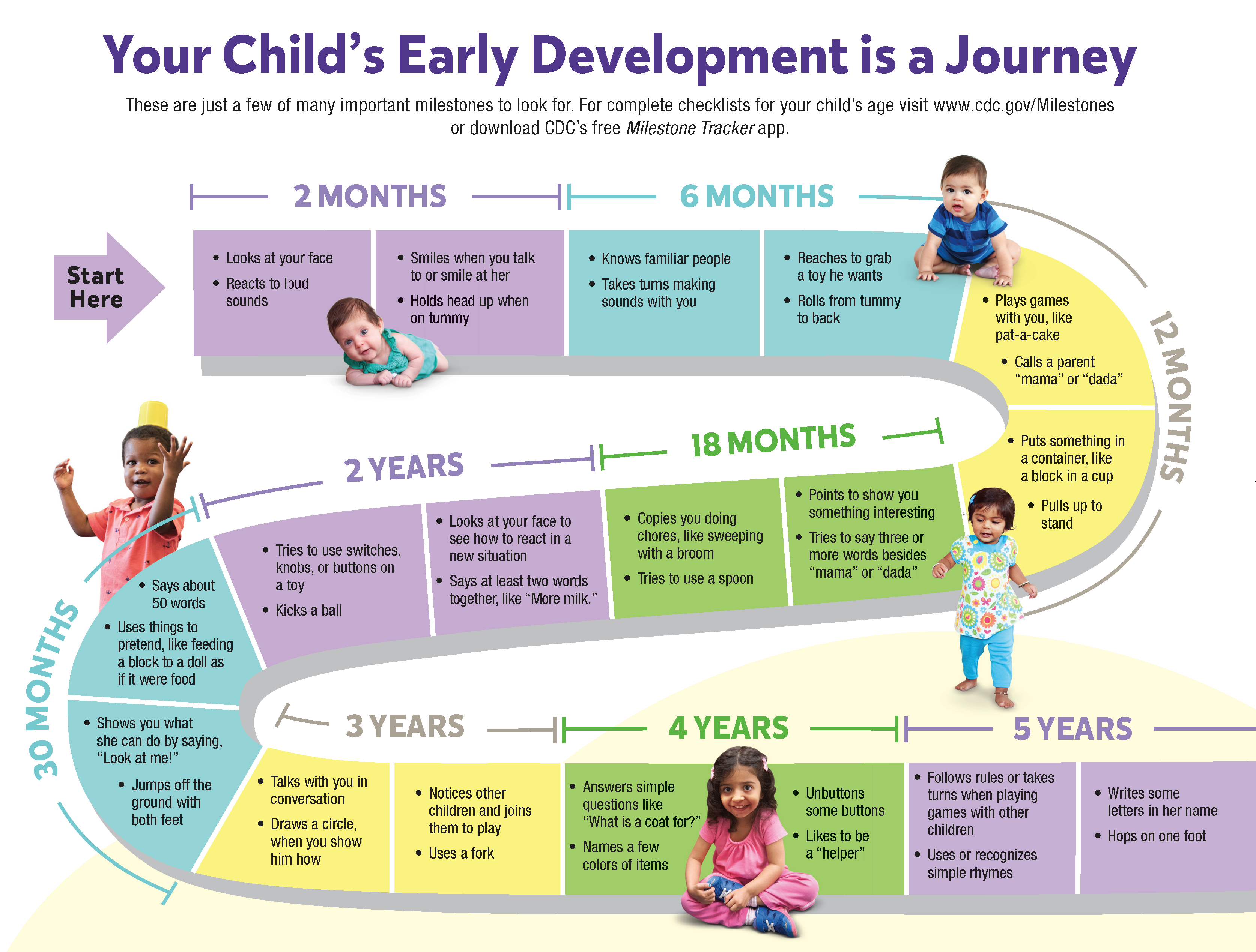
Developmental milestones like crawling, speaking, or social play serve as helpful guideposts rather than rigid deadlines. Genetics, environment, and personality dictate the pace at which a child masters these skills. While one toddler may prioritize motor coordination over language development, such variations usually fall within the spectrum of normal growth. Parents should view these skills as part of a broader pattern rather than isolated events.
Consistent delays across multiple domains—such as social interaction, motor skills, or problem-solving—may necessitate a closer look. Dr. Sears emphasizes that any regression, where a child loses previously mastered skills, requires immediate medical consultation. Early identification during critical brain development stages allows families to leverage a child’s specific strengths and provide necessary support.
A comprehensive evaluation by professionals, including pediatricians, psychologists, or therapists, involves reviewing medical history and observing a child’s behavior in play and daily routines. This process does not always result in a diagnosis; it often serves to reassure parents or provide actionable strategies to foster progress. Ultimately, the goal of these assessments is to determine whether a child needs targeted therapies or simply continued monitoring to support their healthy development.
Comments (0)
No comments yet. Be the first!