Trump Counterterrorism Strategy Targets Domestic Left-Wing Groups
The Trump administration has unveiled a counterterrorism strategy that classifies anti-fascist organizations alongside groups like ISIS and al-Qaeda. By grouping domestic political movements with international terrorist entities, the framework signals a shift toward aggressive surveillance and pre-emptive intervention against ideological opponents within the United States.
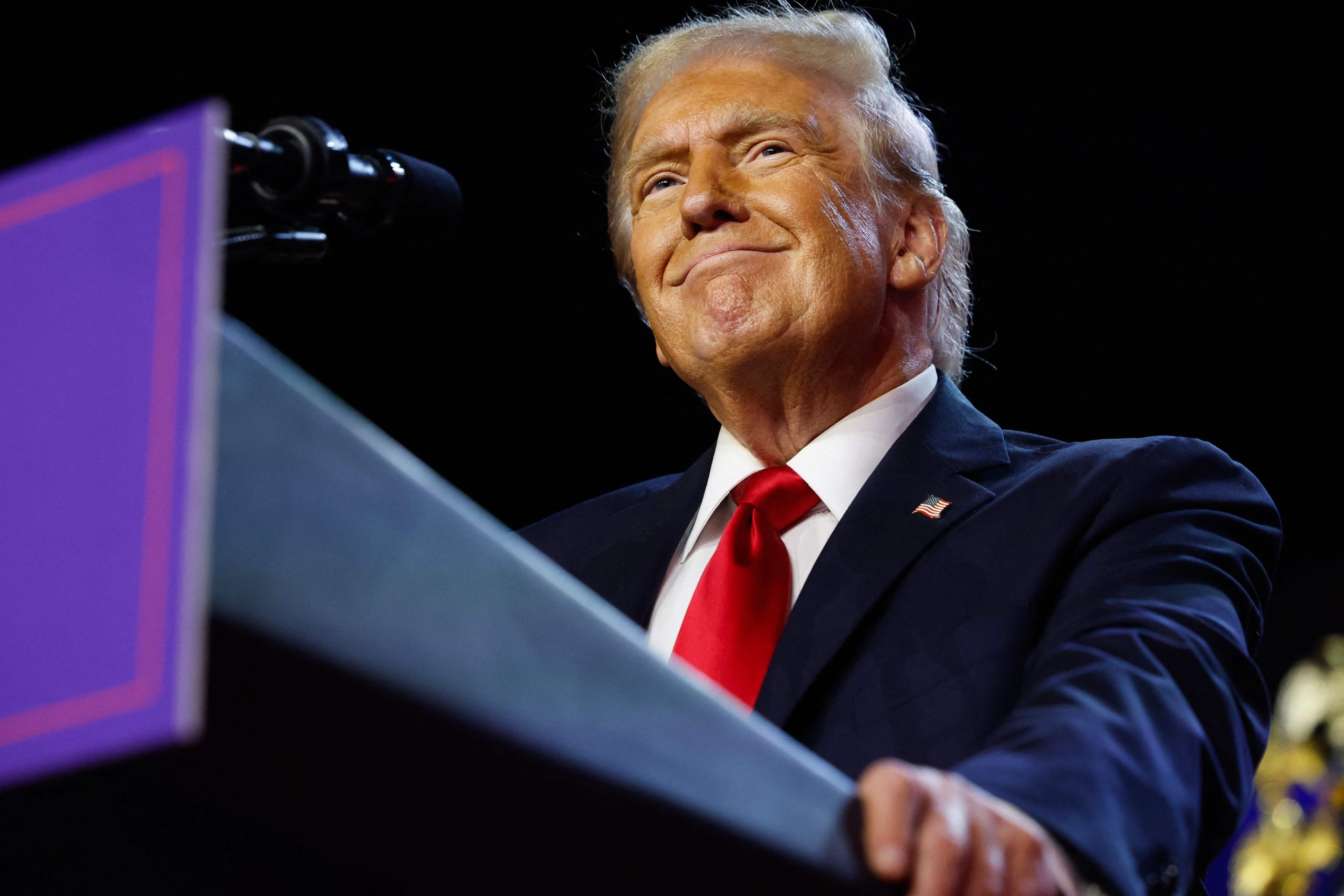
The new directive outlines three primary threat categories: legacy Islamist terrorists, narcoterrorists, and violent left-wing extremists, explicitly identifying anarchists and anti-fascists. The administration pledges to identify and neutralize groups defined by ideologies deemed anti-American or radically pro-transgender. Officials intend to map membership and international ties, applying law enforcement tools to disrupt these organizations before they can act.
This strategy, largely credited to White House counterterrorism advisor Sebastian Gorka, expands on the framework established by NSPM-7, a presidential memorandum signed in September targeting networks suspected of fomenting political violence. Critics argue the document effectively introduces a "pre-crime" model, where individuals may face scrutiny based on their speech or beliefs rather than specific criminal conduct. Notably, the policy omits any mention of right-wing groups such as the Proud Boys or Oath Keepers, despite their involvement in the January 6, 2021, Capitol attack.
Data from the Center for Strategic and International Studies suggests that while left-wing political violence has increased since 2016, it remains significantly lower than the levels of violence attributed to right-wing and jihadist actors. Civil liberties groups continue to warn that the new directive provides the administration with a broad mandate to pursue a crackdown on political dissent.
Comments (0)
No comments yet. Be the first!