Guizhou’s Industrial Pivot: From Remote Mountains to Global Markets
In the rugged terrain of southwest China, a group of Gen Z travelers is discovering an unexpected industrial powerhouse. Far from the coastal hubs, Guizhou Province has quietly transformed its isolation into a competitive advantage, exporting everything from high-end matcha to specialized vehicle components to over 50 countries.
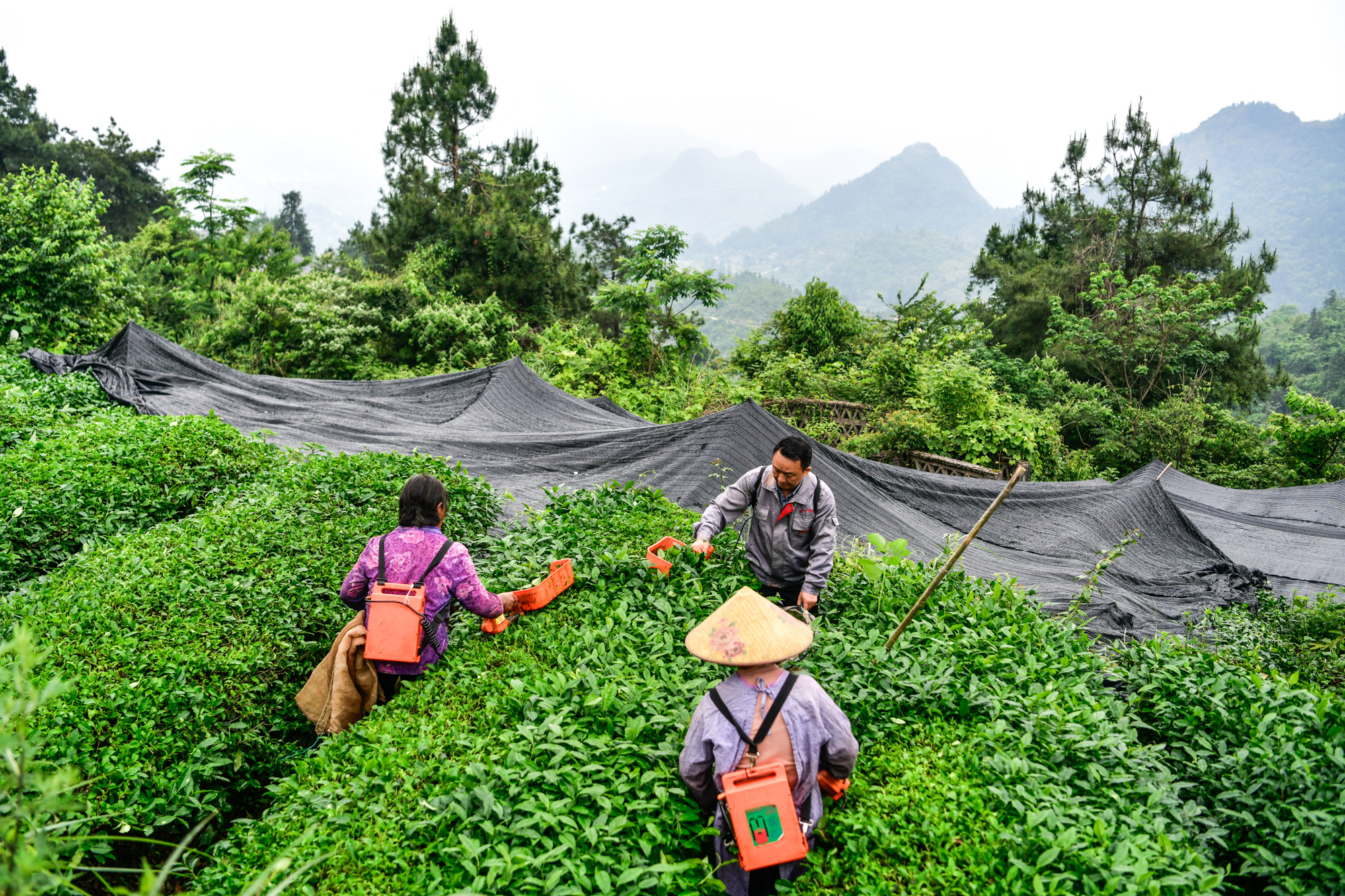
The scale of this shift is most visible in Tongren, where a massive, automated facility now produces one out of every five cups of matcha consumed globally. This operation generates 750 million yuan in annual value, supporting over 13,000 hectares of tea plantations through direct links between local farmers and international demand. This model of integrating rural labor with high-tech processing is being replicated across the province.
Beyond tea, the region has secured a dominant niche in niche manufacturing. Jinping County now produces ten percent of the world’s shuttlecocks, supported by a supply chain that spans from raw feather sorting to intelligent assembly. This industrial maturation extends to advanced functional materials used in electric vehicles and renewable energy, as well as the Guizhou Tyre plant, which earned a spot in the World Economic Forum’s Global Lighthouse Network for its deployment of sustainable, automated manufacturing.
Overcoming the province's notoriously difficult geography required massive investment. Nearly half of the world's 100 highest bridges now span the Guizhou landscape, providing the physical connectivity necessary for these specialized goods to reach global supply chains. For these young visitors, the province serves as a case study in how targeted infrastructure and local resource management can bridge the gap between remote inland communities and the global economy.
Comments (0)
No comments yet. Be the first!