When a Dental Referral to an Oral Surgeon Becomes Necessary
A recommendation to see an oral surgeon often signals a transition from routine preventive care to specialized intervention. Dr. Yadira Cardona-Rohena of Hamilton Mill Oral & Facial Surgery clarifies that these referrals serve as a collaborative bridge, ensuring patients receive precise treatment for complex dental, jaw, and facial conditions.
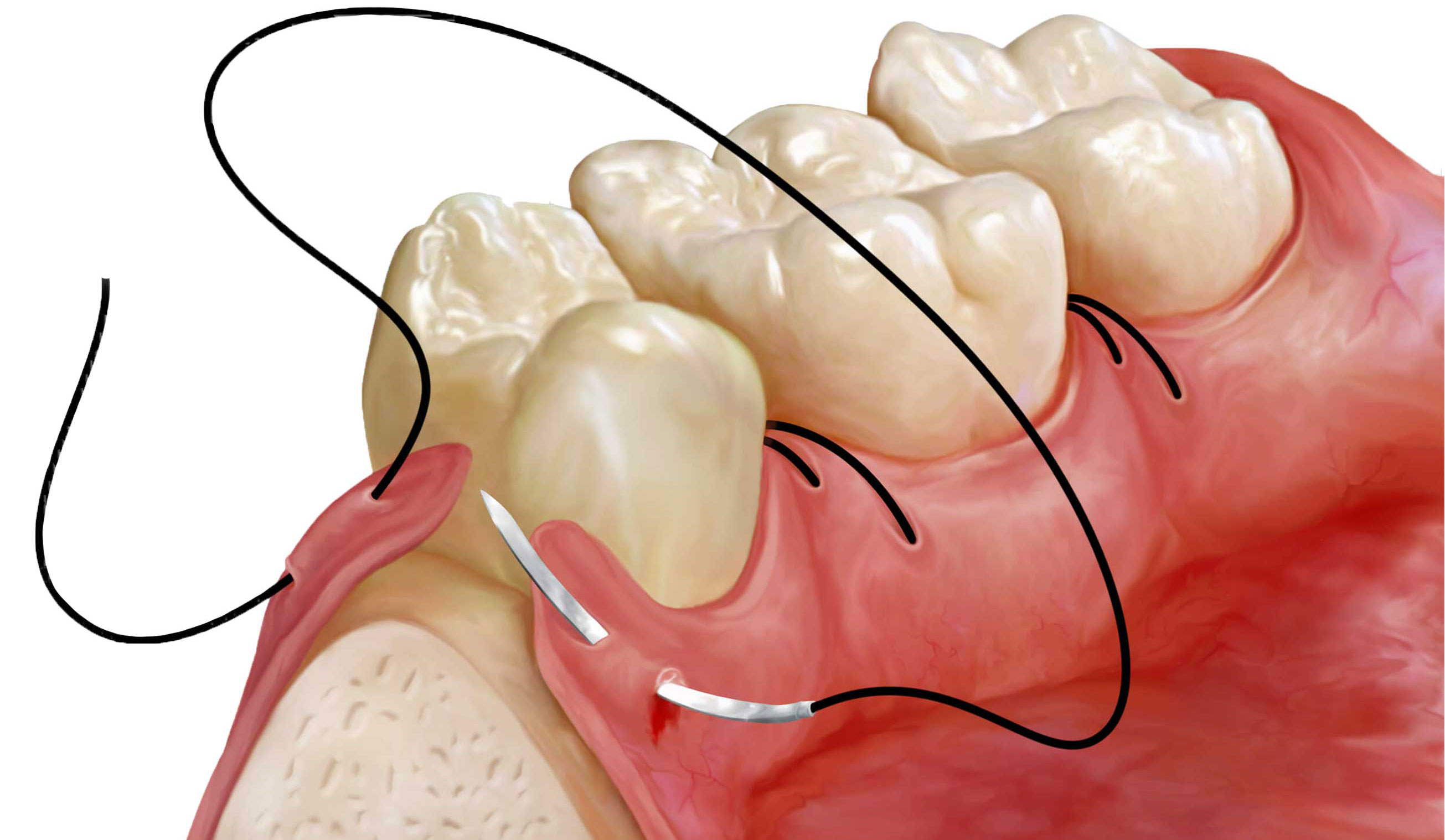
General dentists handle the bulk of preventive maintenance, yet the additional surgical training of an oral surgeon becomes vital when anatomy or medical history complicates a standard procedure. Impacted wisdom teeth remain a primary driver for such referrals, as these cases often require specialized techniques to prevent infections, cyst formation, or structural damage to adjacent teeth. Beyond simple extractions, surgeons frequently manage cases involving curved roots or proximity to sensitive facial nerves, utilizing advanced imaging to map out the safest surgical path.
Implant dentistry and restorative bone grafting also necessitate this specialized oversight. Successful long-term outcomes for implants rely heavily on bone density and precise positioning, areas where an oral surgeon’s expertise in facial anatomy is critical. Furthermore, the decision to involve a specialist often hinges on a patient's broader health profile. Individuals with complex medical histories or those requiring specific anesthesia protocols benefit from the surgeon's advanced training in managing systemic risks during invasive procedures. Whether addressing facial injuries or diagnosing unusual oral growths, the referral process prioritizes a thorough evaluation to ensure that every treatment plan is tailored to the patient’s specific physiological needs.
Comments (0)
No comments yet. Be the first!