Finally, robot lawnmowers that actually work
After testing five high-end autonomous mowers across a challenging three-quarter-acre property in coastal South Carolina, I have found that the technology has finally matured. While these machines still require human oversight to avoid tearing up turf or hitting obstacles, they have evolved from frustrating toys into capable, consistent yard-care tools.
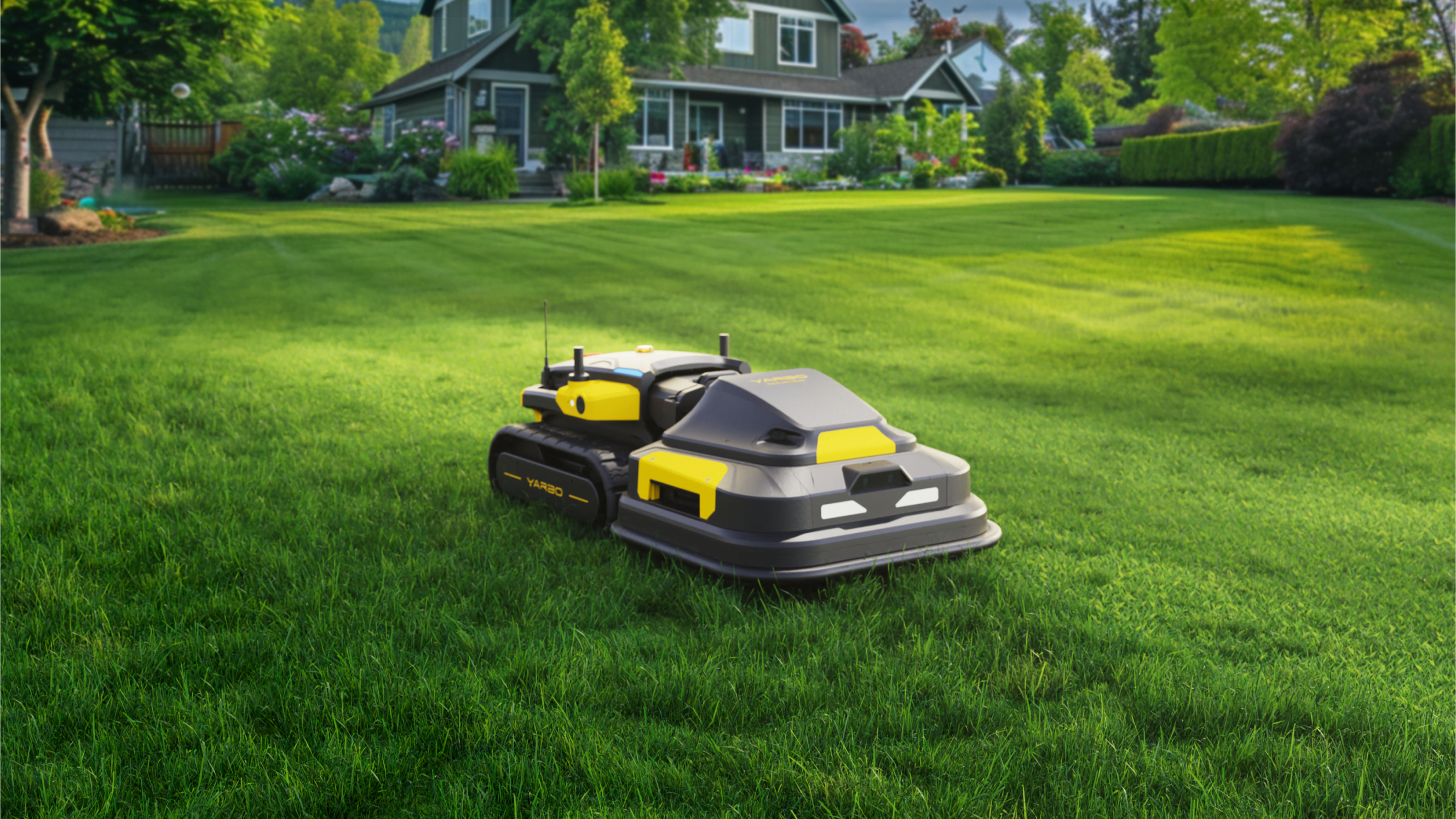
The breakthrough this year comes down to navigation. The industry has largely moved away from buried boundary wires toward Real-Time Kinematic (RTK) positioning, often supplemented by network-based RTK (NetRTK) and vision-based systems like vSLAM or lidar. This combination allows mowers to navigate complex landscapes with centimeter-level precision. In my trials, the Segway Navimow X430 stood out as the most reliable, navigating uneven terrain and tree-heavy patches without getting stuck once. Its 4WD system and dual-disc design made it the only mower capable of handling my entire property in a single session.
While navigation is vastly improved, these machines remain autonomous tools with blades, not set-it-and-forget-it appliances. Obstacle detection still struggles with items like extension cords and cars, and software-driven turning logic can occasionally scar damp grass. Furthermore, the reliance on cloud services for NetRTK and the inherent maintenance required—such as manually opening gates—means owners must stay involved. Despite these quirks, the consistency of daily, millimeter-level trimming has fundamentally changed the health and appearance of my lawn, proving that while the robots aren't perfect, they are finally ready for the backyard.
Comments (0)
No comments yet. Be the first!