NeuLogiq platform proves effective for at-home ALS and FTD monitoring
A study published in Scientific Reports validates the feasibility of using the NeuLogiq platform to perform multimodal cognitive assessments at home for patients with ALS and FTD. The research reveals that individuals with significant motor and cognitive impairment can successfully manage remote EEG and gamified testing protocols.
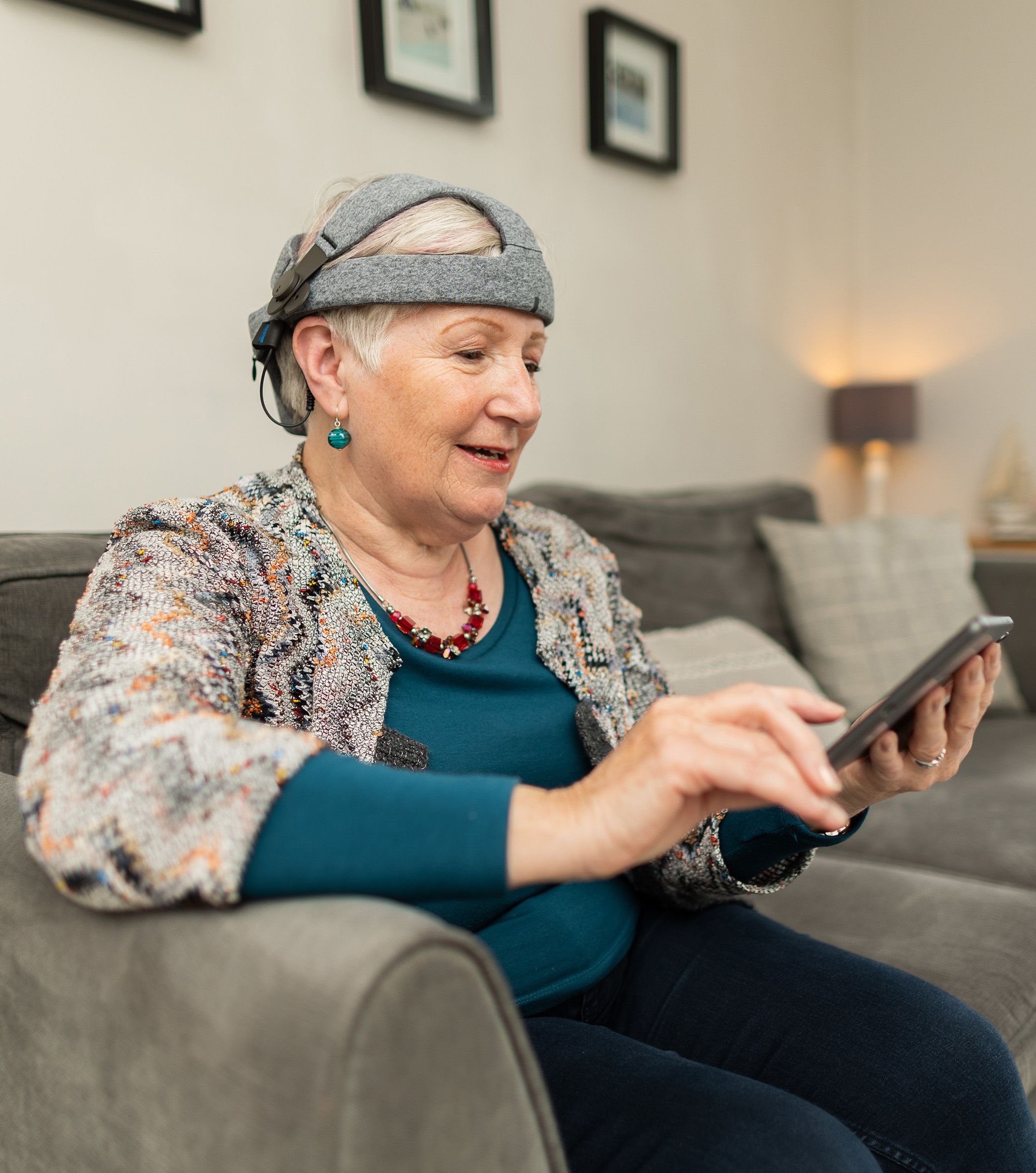
The CNS-102 study, conducted in partnership with the PRECISIONALS initiative at Trinity College Dublin, addressed a long-standing measurement gap in neurodegenerative research. Standard clinical tools like the ALSFRS-R focus primarily on motor decline, often overlooking the cognitive and behavioral shifts that characterize the ALS–Frontotemporal spectrum. The NeuLogiq system integrates a 16-channel wireless dry-sensor EEG headset with tablet-based cognitive tasks to provide a more comprehensive view of patient health.
Over an eight-month period, 28 participants—including those with ALS and FTD—demonstrated high levels of engagement with the technology. Notably, 82% of ALS participants reported the platform was easy to use, and 75% expressed a positive opinion of the experience. The system achieved a 92% data completeness rate, providing objective metrics that matched the sensitivity of clinician-administered batteries.
Beyond usability, the study surfaced exploratory signals that traditional in-clinic assessments missed. Researchers observed longitudinal changes in speech fluency and emotion recognition within the ALS cohort, suggesting that frequent, home-based sampling can capture disease progression nuances that infrequent hospital visits fail to detect. Brian Murphy, founder of Cumulus Neuroscience, emphasized that this combination of high-quality, multimodal data and patient acceptability offers a new foundation for designing sensitive, patient-centered clinical trials. While these findings serve as a proof-of-concept, the team notes that replication in larger cohorts is necessary to confirm the clinical utility of these digital biomarkers.
Comments (0)
No comments yet. Be the first!