Corporate Consolidation Linked to Recurring Food Safety Outbreaks
A new report from the industry watchdog Farm Action argues that the massive market dominance of Taylor Farms has facilitated the rapid spread of foodborne illnesses, including this summer’s Cyclospora outbreak, by creating a centralized, opaque supply chain that makes contamination difficult to track and avoid.
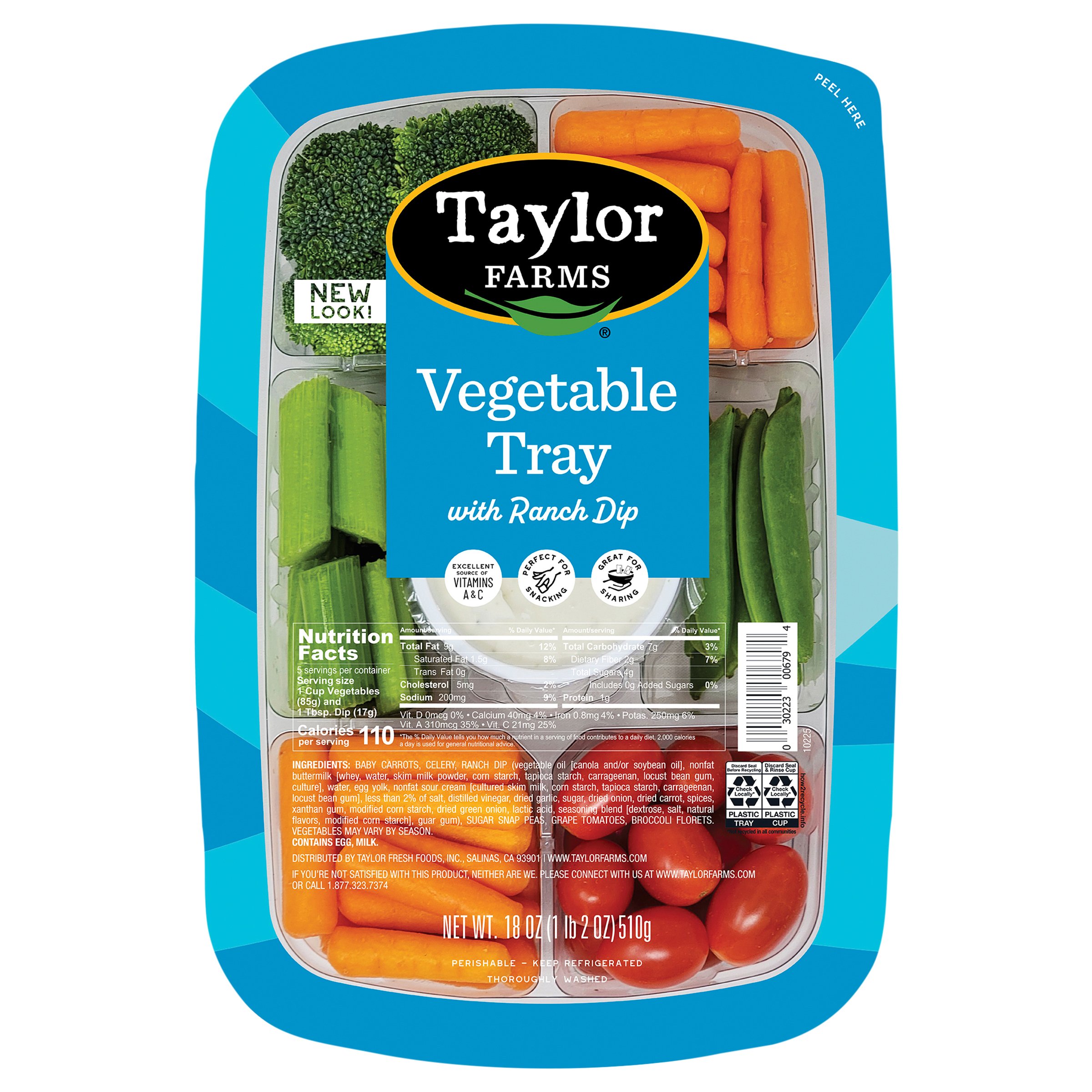
Taylor Farms currently produces 40% of the salad kits sold in the United States and grows roughly one-quarter of its own vegetables, sourcing the remainder through a complex web of partner farms. This expansive reach positions the company as a primary link between agricultural producers and major retailers such as Whole Foods, Target, Safeway, and Costco, as well as fast-food chains like Taco Bell, McDonald's, and Chipotle. Beyond retail, the firm supplies distribution giants Sysco and US Foods, which funnel products into schools, hospitals, and hotels nationwide.
Farm Action contends that this level of industry consolidation—enabled by similar trends among grocery and restaurant chains—forces reliance on regional and international networks rather than local farms. The report highlights that investigators traced lettuce from the 2026 Cyclospora outbreak to Mexico, even during the peak of the domestic growing season. Because Taylor Farms distributes products under numerous brand names, consumers struggle to identify or avoid the source of contaminated goods.
Sarah Carden, senior director of research and policy at Farm Action, noted that the company’s history of involvement in major food safety events—including the 2026 Salmonella outbreak, the 2024 McDonald’s onion E. coli case, and the 2021 romaine lettuce cluster—demands a reevaluation of current regulatory oversight. The report advocates for more rigorous enforcement of antitrust laws to decentralize the produce industry and calls for enhanced food safety and traceability requirements to mitigate the risks posed by such high levels of corporate centralization.
Comments (0)
No comments yet. Be the first!