Why Backup Air Compressors Are Vital for Industrial Continuity
When a primary air compressor fails unexpectedly, production lines often grind to a halt, leading to missed deadlines and financial strain. Pam Mahood, owner of Compressed Air & Equipment Co. in Waterloo, Iowa, argues that businesses relying on compressed air must implement redundancy to avoid the high costs of sudden downtime.
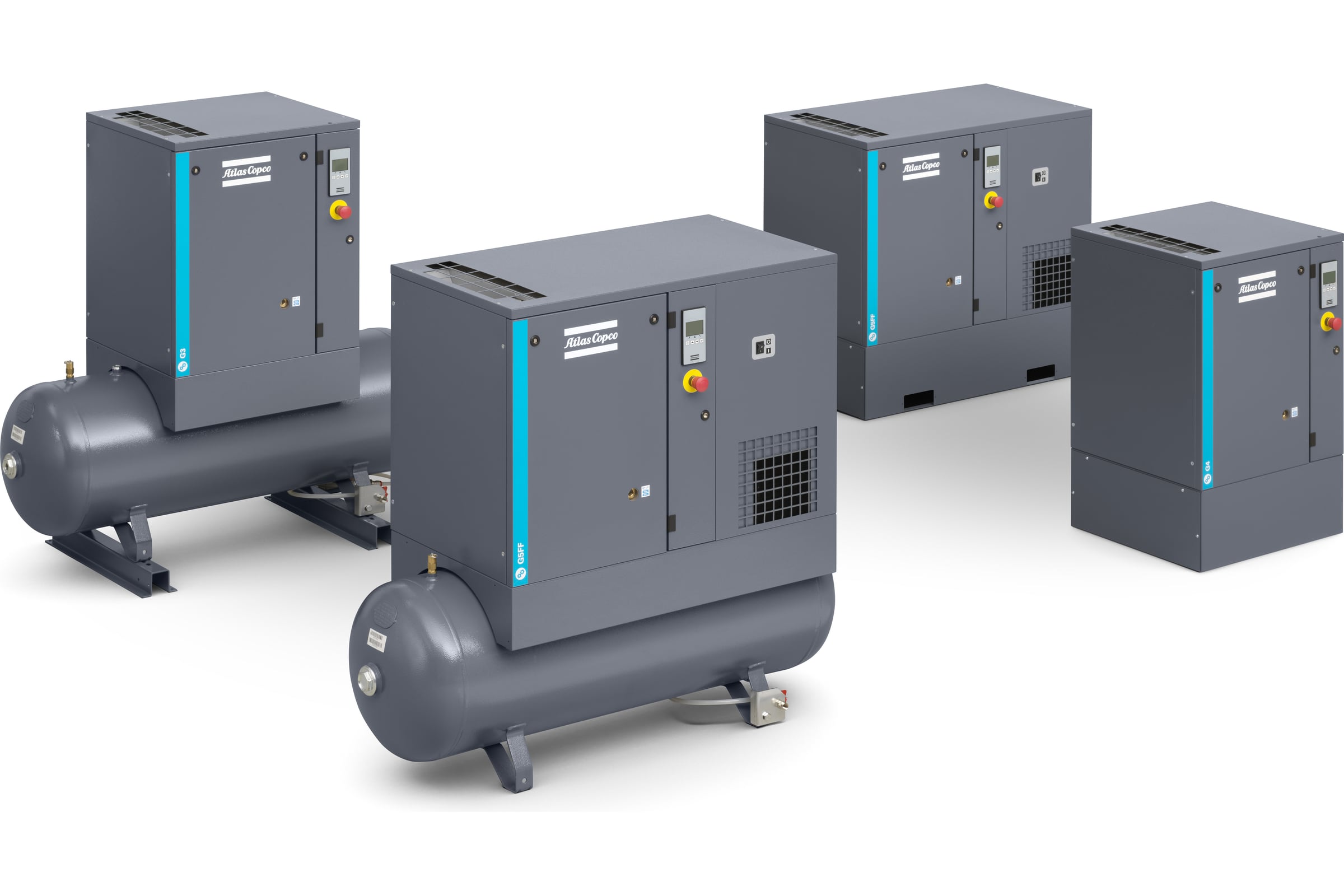
Mechanical wear and electrical failure remain constant threats to industrial systems, even in facilities with rigorous maintenance schedules. Mahood suggests that a secondary unit provides immediate support, allowing operations to continue without interruption while the primary equipment undergoes repair. This redundancy is critical for manufacturing plants and automotive shops where essential tools depend on consistent pressure to function.
Beyond keeping production active, backup systems enhance workplace safety. A sudden loss of air pressure can destabilize heavy machinery, creating hazardous conditions for employees. By maintaining steady pressure levels, secondary units mitigate these risks. Furthermore, a backup compressor facilitates better maintenance habits. Instead of delaying service to keep the facility running, managers can take the primary unit offline for routine care while the backup carries the load.
Selecting the right system requires evaluating facility demand. Some businesses install full-capacity replacements, while others opt for smaller units capable of handling only critical functions. Regardless of the configuration, Mahood emphasizes that the investment serves as an insurance policy against lost revenue and overtime labor costs. Integrating these systems into a broader risk management strategy ensures that a single equipment failure does not become a catastrophic business event.
Comments (0)
No comments yet. Be the first!