Avoiding Costly Deck Building Mistakes in Lexington's Humid Climate
Lexington homeowners often face premature structural failure in outdoor decks due to a mismatch between construction methods and South Carolina’s humid, volatile climate. According to outdoor living expert Steven McCoy, failing to account for regional moisture and specific code requirements creates long-term hazards that are expensive to rectify.
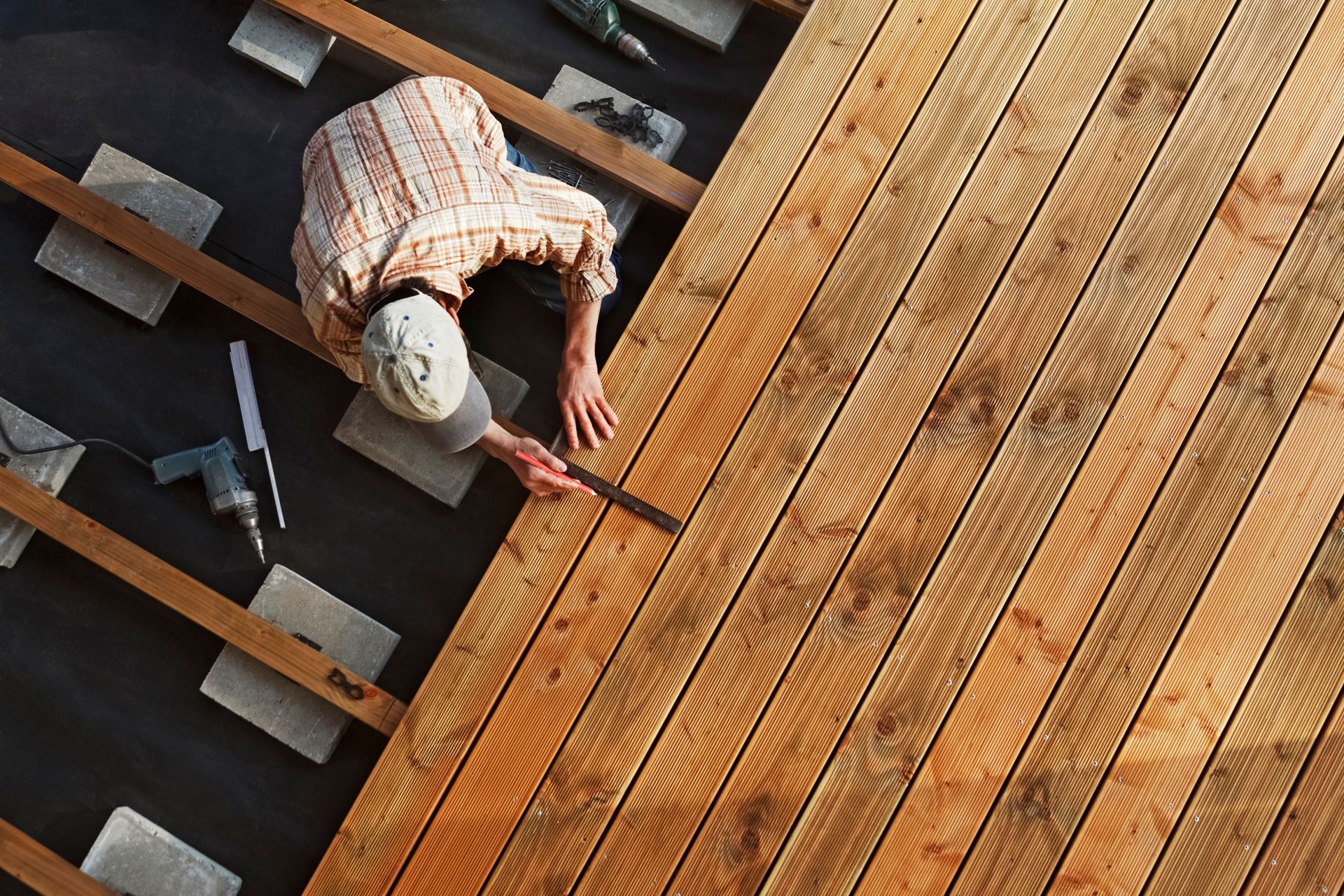
The local environment, defined by high summer humidity and significant temperature swings, demands precise planning regarding drainage and material selection. Moisture pooling beneath framing or on surfaces leads to rapid rot and mold growth. Proper board spacing and ensuring adequate airflow beneath low-clearance decks are essential to preventing this damage, particularly in areas where water collects near footings.
Structural integrity is frequently compromised by undersized or improperly installed footings that fail to meet Lexington County code requirements. McCoy highlights that hiring a licensed contractor is the most effective way to navigate these local standards and prevent future settling. Beyond structural foundations, the choice of decking material is critical; untreated wood degrades rapidly in this climate, making high-quality treated timber or composite alternatives more sustainable investments.
Regulatory oversights, specifically skipping the permit process, pose significant risks during property transactions. Inspections serve as a vital safety net to identify flaws before they become permanent. Furthermore, homeowners often overlook the long-term load requirements when planning future additions like pergolas or screen enclosures. Integrating these features into the initial design prevents the need for costly reinforcements later, ensuring the deck remains both safe and compliant with current building codes.
Comments (0)
No comments yet. Be the first!