The Pentagon's AI pivot: Speed over human oversight
A decade ago, the prospect of autonomous killer robots felt like a distant, hypothetical debate for international forums in Geneva. Today, the reality has arrived with startling velocity as the U.S. military embeds artificial intelligence into its targeting cycles, effectively prioritizing operational speed over the nuances of humanitarian law.
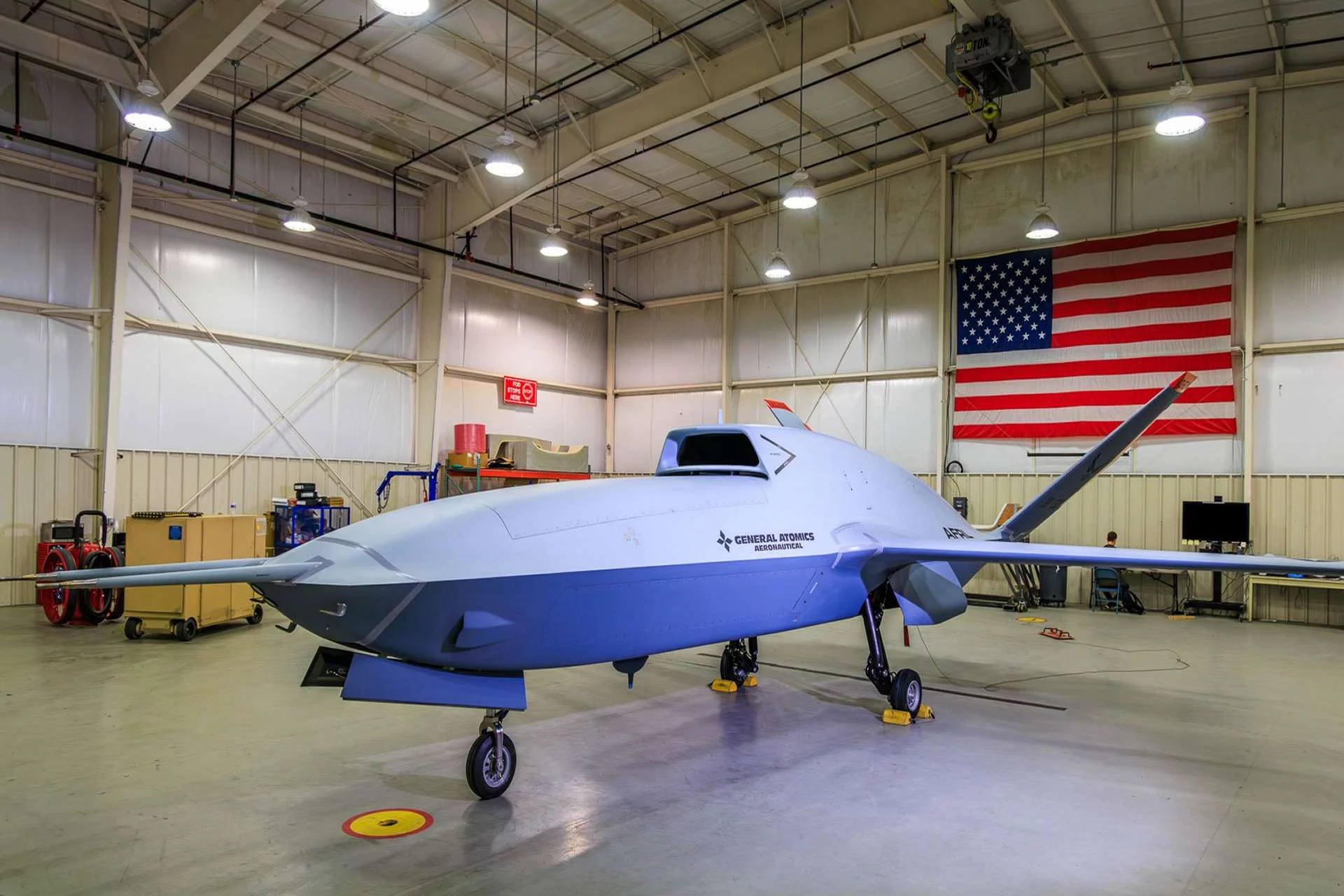
The tension between Silicon Valley ethics and military necessity has reached a breaking point. While companies like Anthropic attempt to draw red lines against fully autonomous lethal systems, the Department of Defense is aggressively restructuring its contracts to remove bureaucratic friction. Defense Secretary Pete Hegseth’s directive to prioritize speed over alignment signals a shift where the risk of slow deployment is deemed greater than the risk of algorithmic error. This 'speed wins' philosophy is already in practice through the Maven Smart System, which processes vast amounts of surveillance data to assist in strikes, compressing decision-making windows from days to mere seconds.
Legal experts argue that this compression renders meaningful human judgment impossible, potentially violating international humanitarian standards that require individual assessments of civilian harm. Despite the controversy, the market for military AI remains robust. When one company expresses hesitation, others—including Microsoft, Amazon, and OpenAI—are quick to secure the contracts. This cycle of adoption has normalized the use of machine vision and automated tracking, even as international bodies like the Convention on Certain Conventional Weapons struggle to define or regulate the technology. As the Pentagon pushes for deeper integration, the line between defensive reaction and offensive autonomy continues to blur, leaving little room for the safeguards that once seemed essential to the future of warfare.
Comments (0)
No comments yet. Be the first!