Post-Massage Recovery: Why Soreness Signals Progress
Many clients expect immediate comfort following a deep tissue session, yet the days that follow often bring unexpected tenderness. Mariah Tritz, owner of Thornton-based Intrepid Bodyworks, argues that this post-treatment soreness is not a setback but a necessary indicator that muscles are finally releasing long-held structural tension.
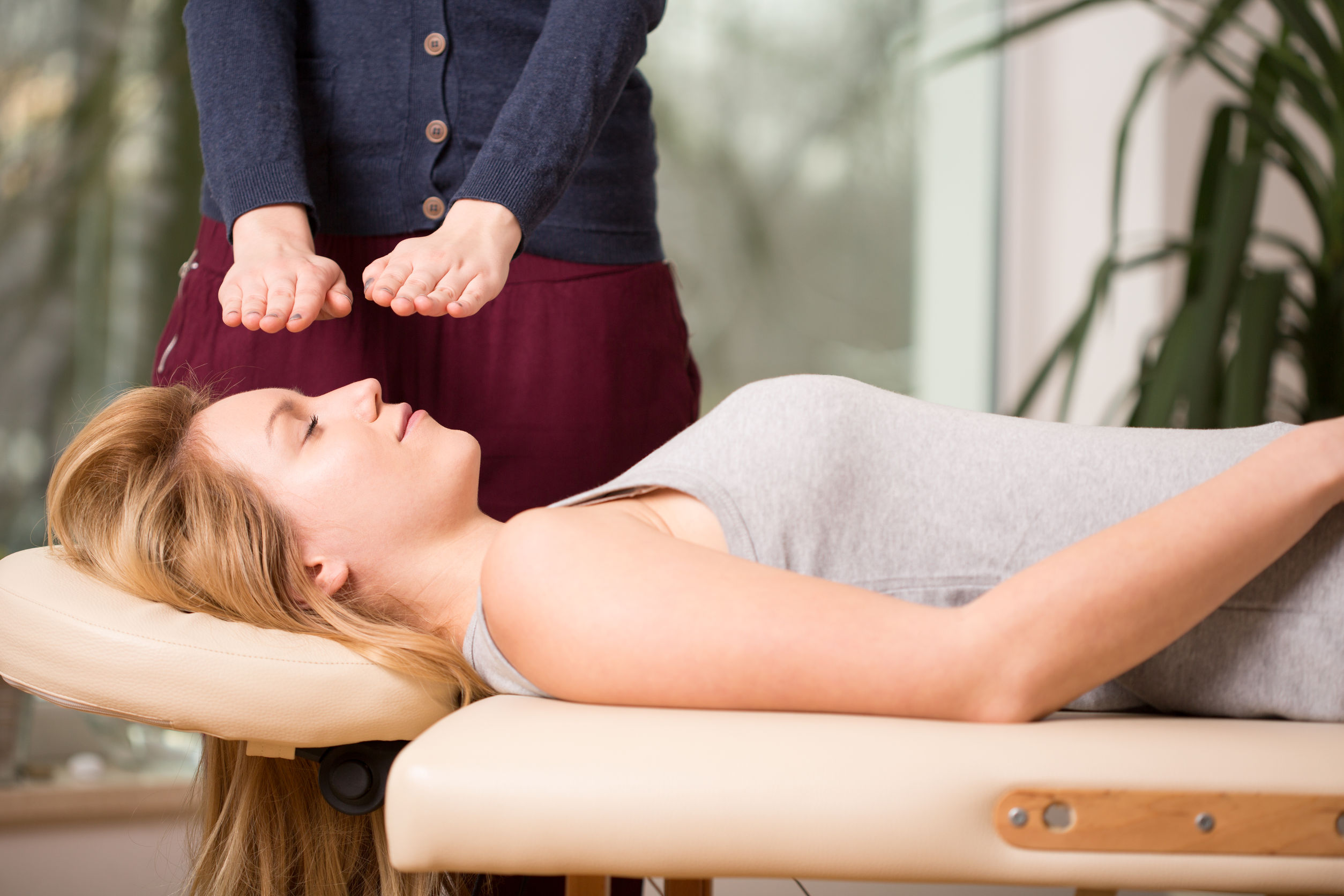
When a therapist addresses deep-seated restrictions, the body undergoes a period of realignment. This process, which affects both connective tissue and posture, often results in fatigue similar to that felt after a rigorous workout. Tritz notes that this is a sign the muscles are adapting to healthier movement patterns rather than reverting to old habits. To aid this transition, hydration serves as a critical recovery tool. Increasing water intake helps the body flush metabolic waste mobilized during the session, directly influencing how quickly soreness dissipates.
Beyond hydration, the integration of gentle movement is essential to maintain the structural gains achieved on the table. Light walking or simple stretching keeps the circulatory system active, preventing the body from stiffening as it settles into a new alignment. Tritz emphasizes that these sessions function as a cumulative process. By tracking shifts in mobility and posture, clients provide the necessary feedback for therapists to refine future treatments. Over time, this consistency retrains the nervous system, leading to deeper rest, improved sleep, and a more resilient physical state that extends well beyond the clinic walls.
Comments (0)
No comments yet. Be the first!