Jensen Huang’s $18 Billion Bet on the AI Ecosystem
With $18 billion earmarked for equity investments this fiscal year, Nvidia is aggressively moving beyond hardware. CEO Jensen Huang is transforming the chipmaker into a central financier, shareholder, and partner for the very companies that rely on its technology, effectively weaving the firm into the fabric of the broader AI industry.
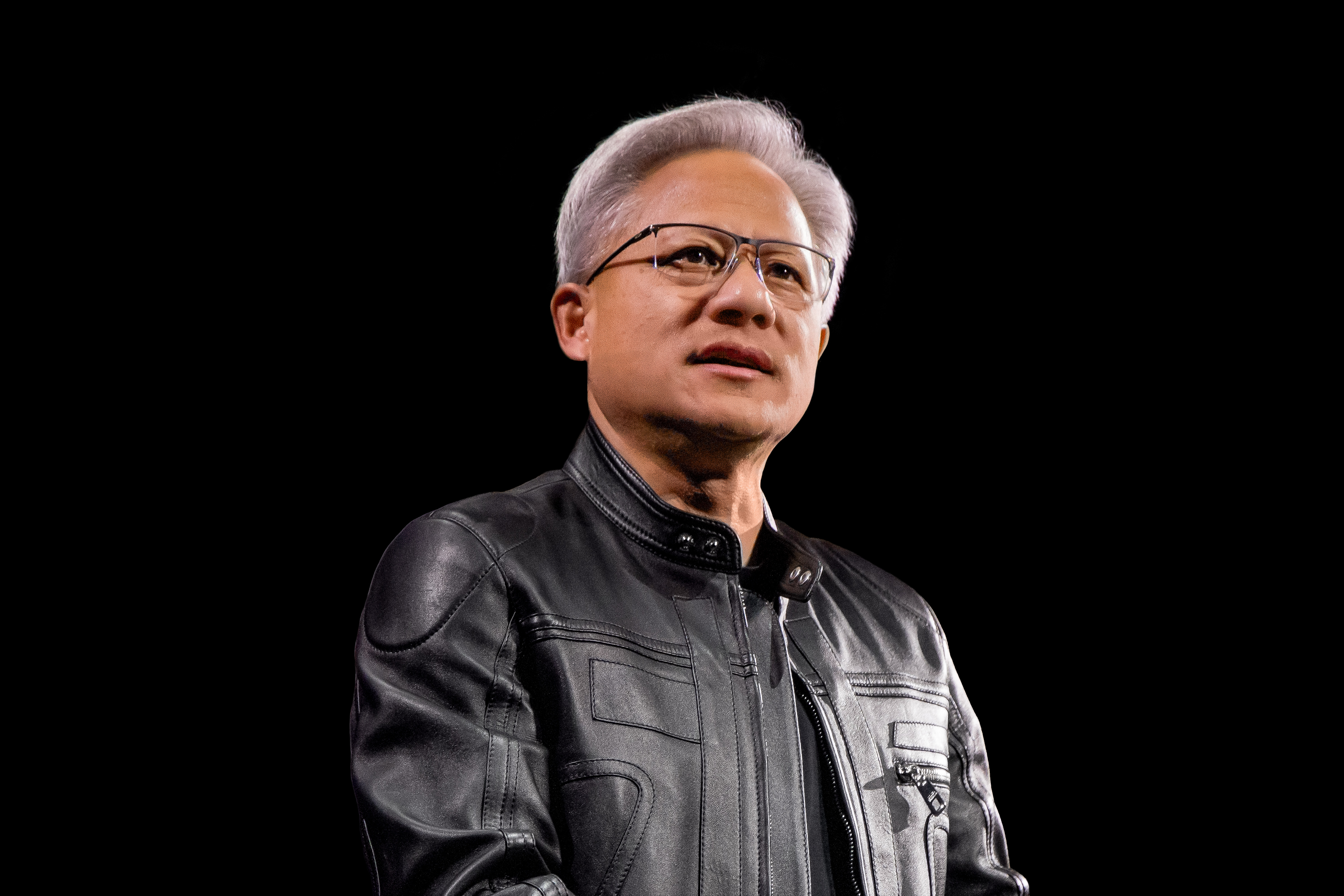
Nvidia’s holdings in private companies reached $47.9 billion by late July, more than doubling the $22.3 billion recorded at the end of the previous fiscal year. Rather than pursuing traditional acquisitions, the company is opting for minority stakes, licensing agreements, and infrastructure partnerships. This approach allows Nvidia to expand its influence across AI model makers and data center operators while bypassing the regulatory scrutiny and operational friction that often accompany full-scale corporate takeovers.
This expansion arrives as Nvidia’s primary customers—Amazon, Google, and Microsoft—increasingly develop their own proprietary chips. To maintain its dominance, Nvidia is betting on the infrastructure supporting these giants. Recent maneuvers include a $1.5 billion investment in SB Energy, a stake in Cloverleaf Infrastructure to address power capacity, and a collaboration with Wall Street firms to raise $500 billion for AI infrastructure. The company is also reportedly eyeing deals with Perplexity and the Korean startup Rebellions, while recently finalizing a $2.94 billion payment to hardware firm Groq.
Critics warn that this strategy creates a circular financial dependency where Nvidia acts as supplier, financier, and shareholder for its own customer base. Luke Lango of InvestorPlace notes that such tight integration means a market slowdown could simultaneously damage Nvidia’s revenue and its equity portfolio. However, CFO Colette Kress defended the practice during Wednesday’s earnings call, asserting that these investments drive demand, strengthen the Nvidia-based ecosystem, and offer reliable equity returns with limited risk.
Comments (0)
No comments yet. Be the first!