Global Body Composition Market Projected to Reach $1.39 Billion by 2031
The global market for body composition analyzers is expected to expand from $0.99 billion in 2026 to $1.39 billion by 2031, reflecting a compound annual growth rate of 7.1%. This trajectory is fueled by the integration of AI-driven analytics, portable hardware, and a rising focus on personalized preventive healthcare.
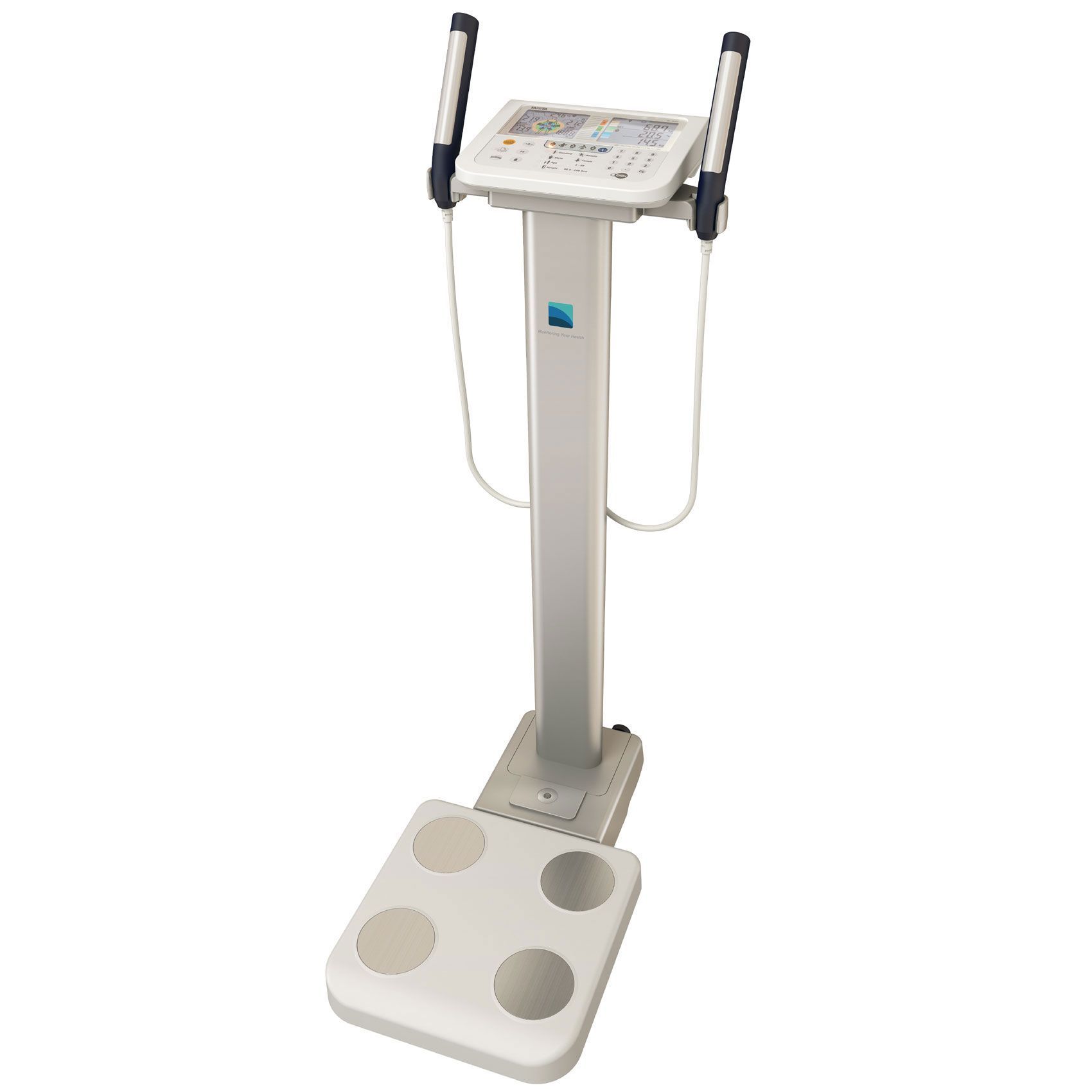
Demand for precise physiological tracking is shifting away from traditional, standalone hardware toward connected, software-enabled ecosystems. Bioimpedance analysis remains the dominant product category, capturing 71% of the market share as of 2025. This technology is increasingly embedded in consumer wearables and professional smartwatches, bridging the gap between clinical settings and home-based monitoring. Industry analysts note that portable and consumer-grade devices are currently recording the fastest growth rates, signaling a broader decentralization of health data.
North America maintains the largest regional footprint, supported by a robust research infrastructure and high rates of adoption across clinical and wellness sectors. Meanwhile, the competitive landscape remains fragmented; the top five players control 44% of the market, leaving ample space for consolidation. Strategic activity has intensified, with major entities like GE HealthCare and Hologic pursuing acquisitions to bolster their digital health and cloud-imaging capabilities. As obesity and metabolic disorders continue to rise globally, the industry is pivoting toward solutions that offer longitudinal monitoring and data-driven wellness insights.
Comments (0)
No comments yet. Be the first!