Marathon Fusion Hits Isotope Enrichment Milestone for Reactor Fuel
San Francisco-based Marathon Fusion has successfully enriched hydrogen and lithium isotopes using its proprietary plasma centrifuge technology. This breakthrough addresses critical supply chain gaps in fusion energy, potentially reducing the scale and complexity of fuel processing systems required to sustain commercial-grade power plant operations.
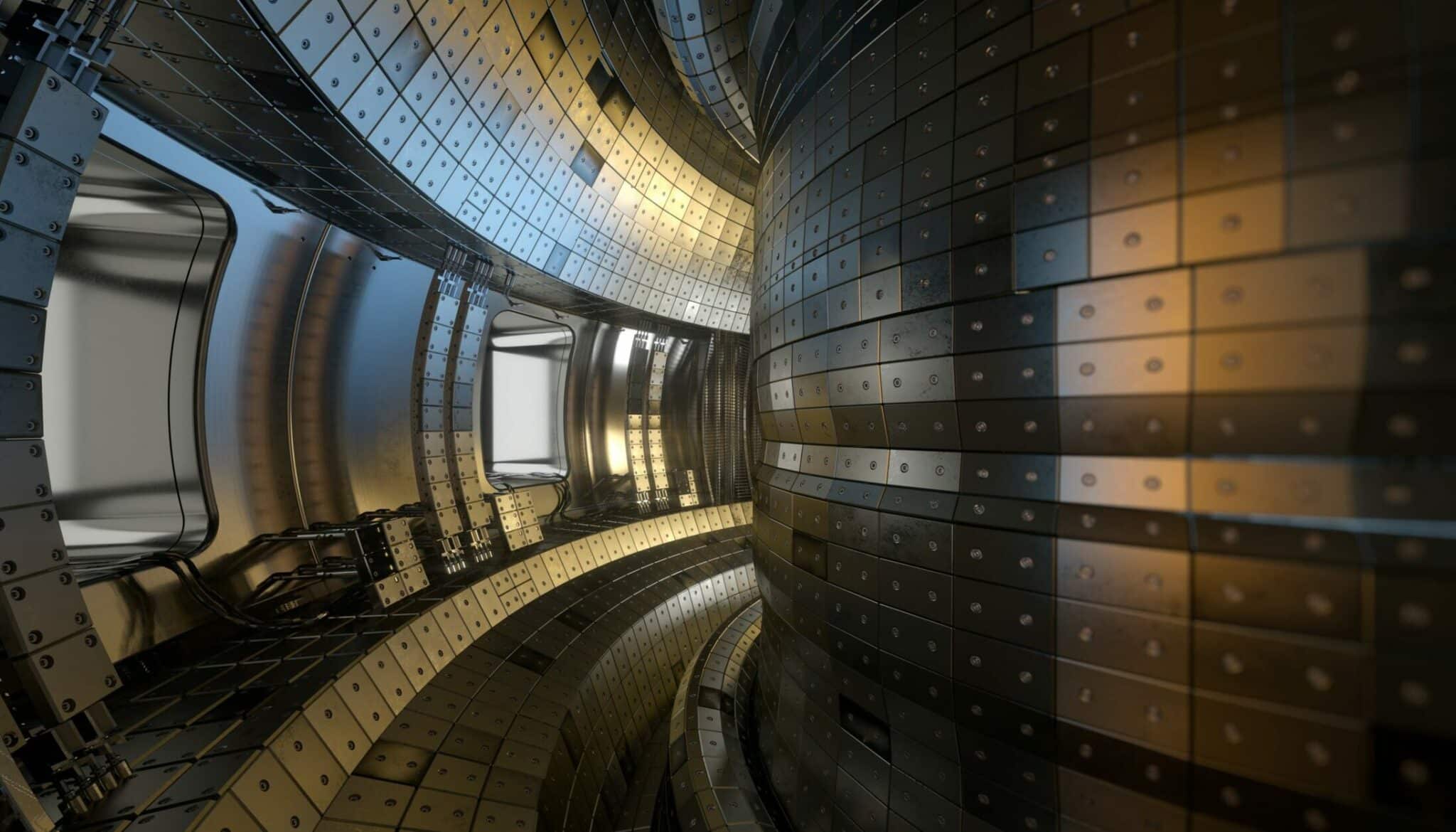
The technology centers on a plasma mass separation process designed to facilitate differential pumping, which could cut tritium flow rates by a factor of ten. By shrinking the infrastructure needed for fuel cycles, the centrifuge offers a path toward smaller, more practical fusion power plants. Dennis Whyte, a professor of nuclear science and engineering at MIT, noted that the ability to selectively pump tritium and improve lithium isotope separation could fundamentally alter the economics of fusion power.
Lithium enrichment remains a primary hurdle for the industry, as current global production relies on aging mercury-based processes in Russia and China. Per F. Peterson, a distinguished professor of nuclear engineering at UC Berkeley, emphasized that terawatt-scale energy deployment will require massive quantities of enriched lithium. Marathon’s experimental results align with their computational models, clearing a path for the company to design its first commercial pilot facility. Supported by the US Department of Energy’s ARPA-E program, the company aims to bridge the gap between experimental physics and the large-scale supply chain requirements identified by groups like the Special Competitive Studies Project.
Comments (0)
No comments yet. Be the first!