Laminated Busbar Market Poised to Reach $2.13 Billion by 2035
The global market for laminated busbars is set to nearly double over the next decade, climbing from $1.13 billion in 2026 to $2.13 billion by 2035. Driven by a 7.3% annual growth rate, the sector is shifting toward co-engineered solutions that prioritize thermal efficiency and compact electrical architecture.
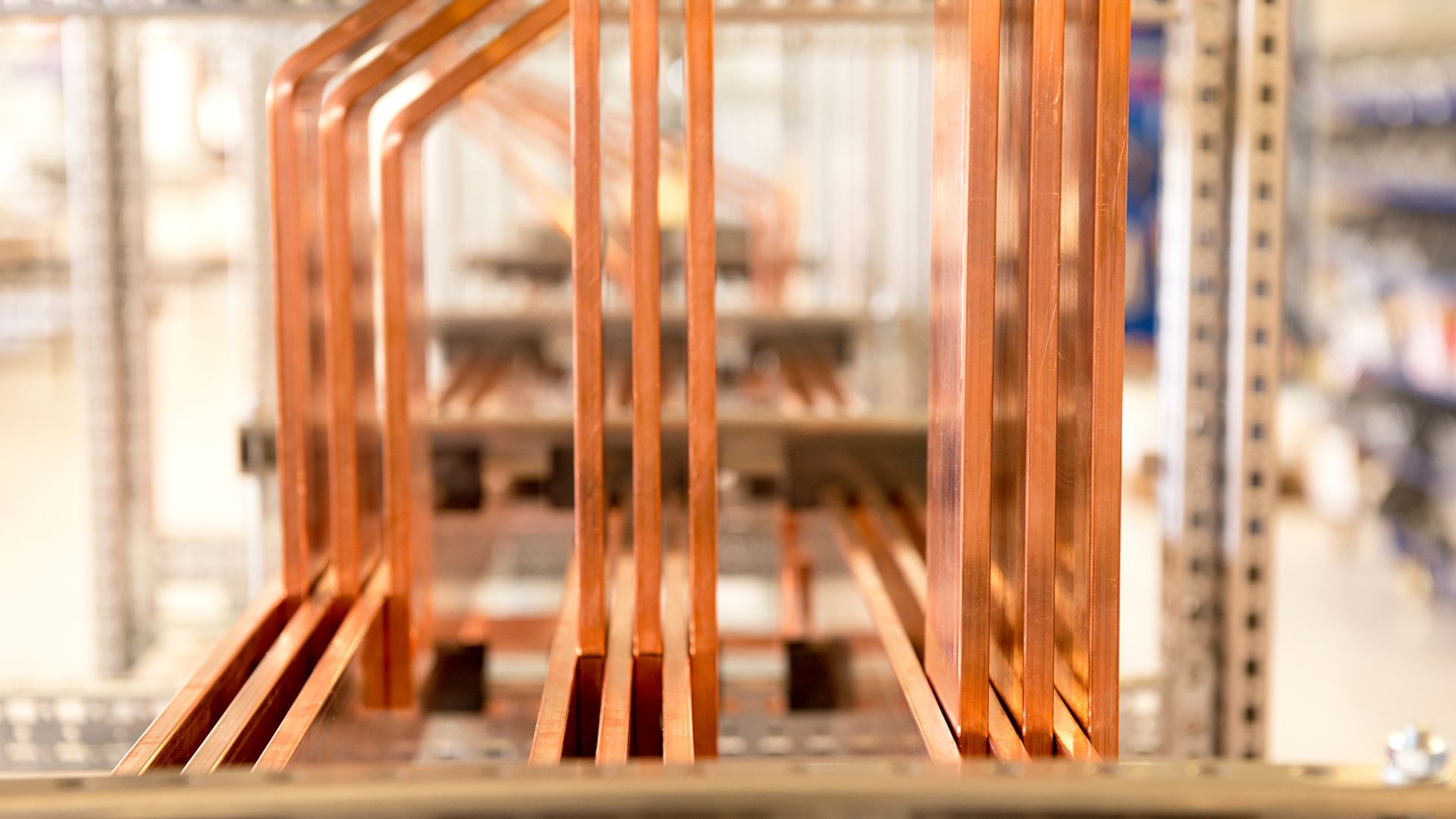
Modern electrical systems increasingly favor laminated busbars over traditional point-to-point wiring to manage complex power requirements. As manufacturers integrate these components directly into equipment design, the focus has moved beyond simple conductivity to include custom mechanical layouts and high-performance insulation. This transition forces suppliers to offer deeper engineering support, ranging from initial prototyping to production scalability, to meet the demands of high-volume industrial environments.
Technological adoption is particularly strong in the electric vehicle sector, where high-power charging infrastructure necessitates thermally efficient, low-inductance connections. While copper remains the dominant conductor, the polyimide segment is poised for rapid growth, reflecting a broader industry push for materials that balance mechanical flexibility with electrical reliability. North America is expected to lead regional growth with a 7.8% CAGR, while Europe maintains its position as the second-largest market, bolstered by significant investments in renewable energy and grid modernization. Major players, including Amphenol Corporation, Mersen Group, and Rogers Corporation, are now operating at the intersection of design and production to capture the rising demand for sophisticated power distribution.
Comments (0)
No comments yet. Be the first!