China’s EV Makers Pivot to Global Infrastructure as Export Surge Hits Peak
Chinese automakers are shifting their international strategy from simple vehicle exports to deep industrial integration, as new-energy vehicle shipments surge to record levels. Despite rising protectionist tariffs in Western markets, companies are embedding local supply chains and service networks to cement their position as global leaders in smart mobility.
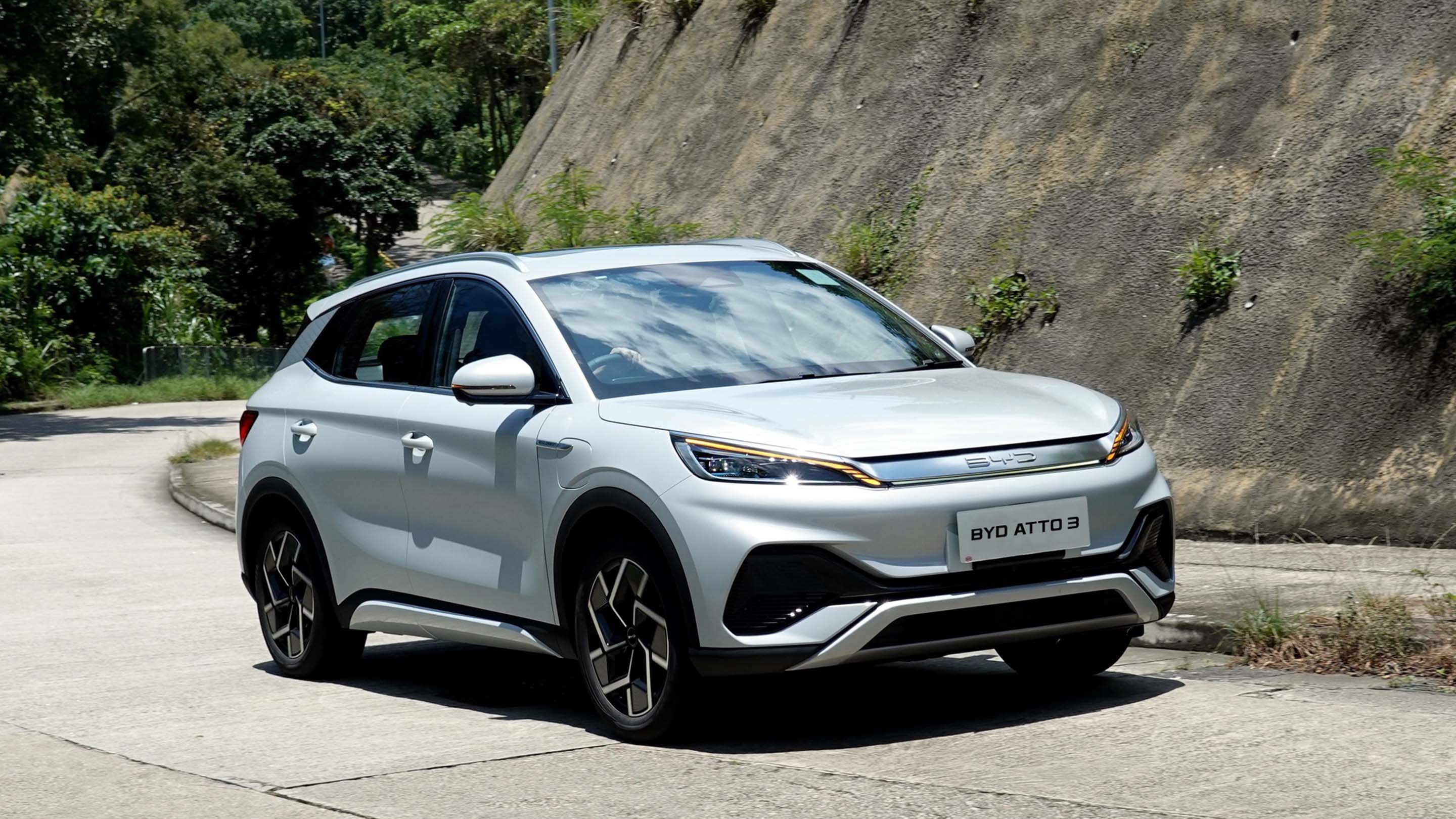
The scale of China’s automotive expansion is underscored by a sixfold export increase over the past twelve years, reaching 7.098 million vehicles in 2025. This growth is driven primarily by new-energy vehicles (NEVs), which now account for more than half of China’s monthly automobile exports. Major players like BYD, Chery, and SAIC have moved beyond basic shipping, establishing localized R&D, manufacturing, and after-sales teams in markets ranging from Brazil to Europe. In Brazil, BYD recently celebrated its 100,000th locally produced vehicle, signaling a move toward full-cycle regional operations.
This transition comes amid a volatile trade environment, with the European Union, the United States, and Mexico imposing significant tariffs on Chinese imports. Rather than retreating, Chinese firms are diversifying their approach through strategic partnerships and technology licensing. Stellantis has entered a venture with Leapmotor, while CATL is collaborating with the UK’s Octopus Energy to deploy battery-swapping infrastructure. By focusing on middle-to-high-end models that have already survived intense competition in the domestic market, these manufacturers are effectively repositioning the "Made in China" label from budget alternative to premium standard. As companies like Chang'an plan to launch over 1,000 service outlets in Europe by 2030, the strategy remains clear: building a permanent, localized ecosystem that transcends traditional trade barriers.
Comments (0)
No comments yet. Be the first!