Two Decades of the Sky Road: Sustaining the Qinghai-Xizang Railway
Traversing the world's highest plateau, the 1,956-km Qinghai-Xizang Railway has defied early skepticism by moving 104 million passengers and 824 million tonnes of cargo. Two decades after its 2006 opening, the line remains a critical engineering benchmark, relying on advanced permafrost stabilization and remote digital control systems to ensure safe transit.
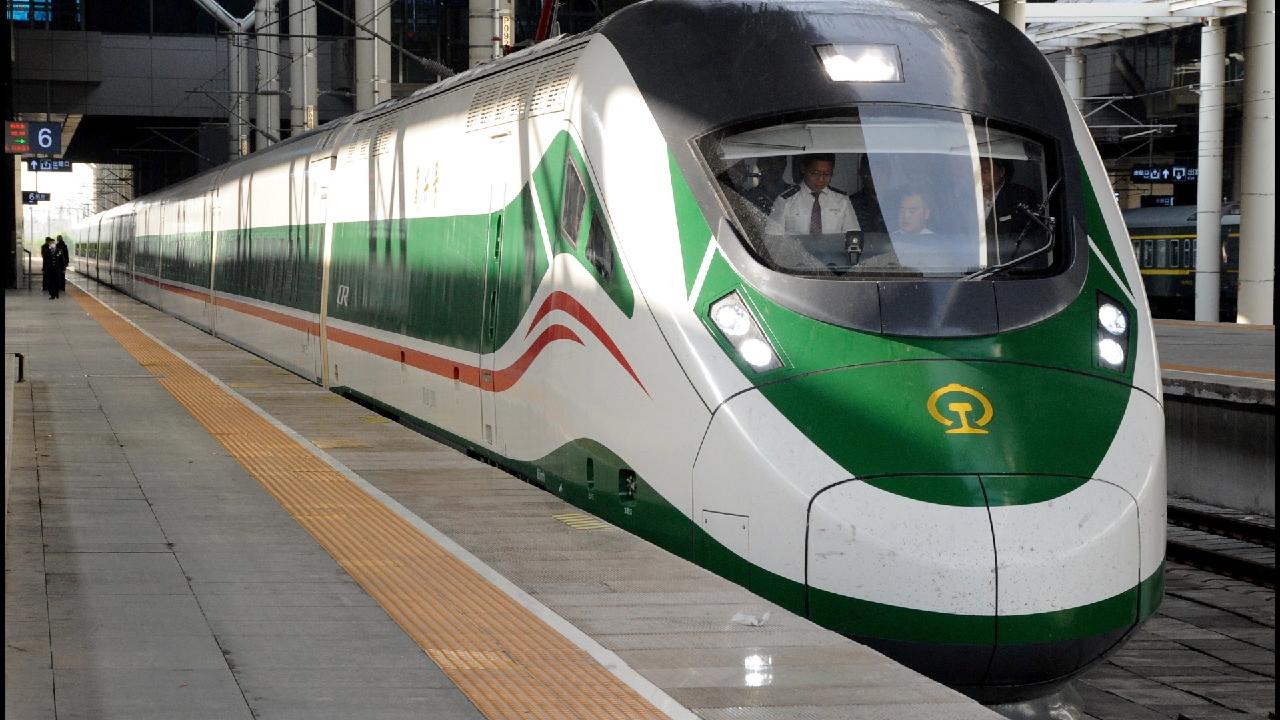
The 1,142-km section connecting Golmud to Lhasa serves as the backbone of this high-altitude network, where 51 of the 58 stations operate as unattended, remotely controlled facilities. Zhang Huxiong, head of safety at the Golmud Electric Depot, attributes this consistency to a domestically developed train monitoring system. Engineers modified electrical components to withstand the region's low oxygen and extreme temperature fluctuations, replacing satellite-reliant signals with a robust, plateau-adapted control architecture that allows for localized maintenance.
Protecting the foundation of the track across 550 km of permafrost presented a distinct challenge. Engineers deployed thousands of thermosiphons—sealed pipes filled with liquid ammonia—to passively extract heat from the soil during warmer months. As climate projections suggest a temperature rise of up to 2°C, the engineering team has introduced solar-powered thermosiphons that utilize intense plateau radiation to boost cooling capacity. These innovations have kept 96 percent of subgrade settlement within 20 millimeters, allowing trains to maintain speeds of 100 km/h. This operational stability currently stands as a global record for high-altitude, permafrost-based rail systems.
Comments (0)
No comments yet. Be the first!