Secret US Health Deals Threaten Global Aid Stability
The Trump administration is quietly bypassing congressional intent by slashing foreign health assistance through a series of opaque bilateral agreements. A new analysis of these memoranda suggests that while lawmakers have sought to maintain funding levels, the White House is effectively redirecting billions away from critical disease prevention programs.
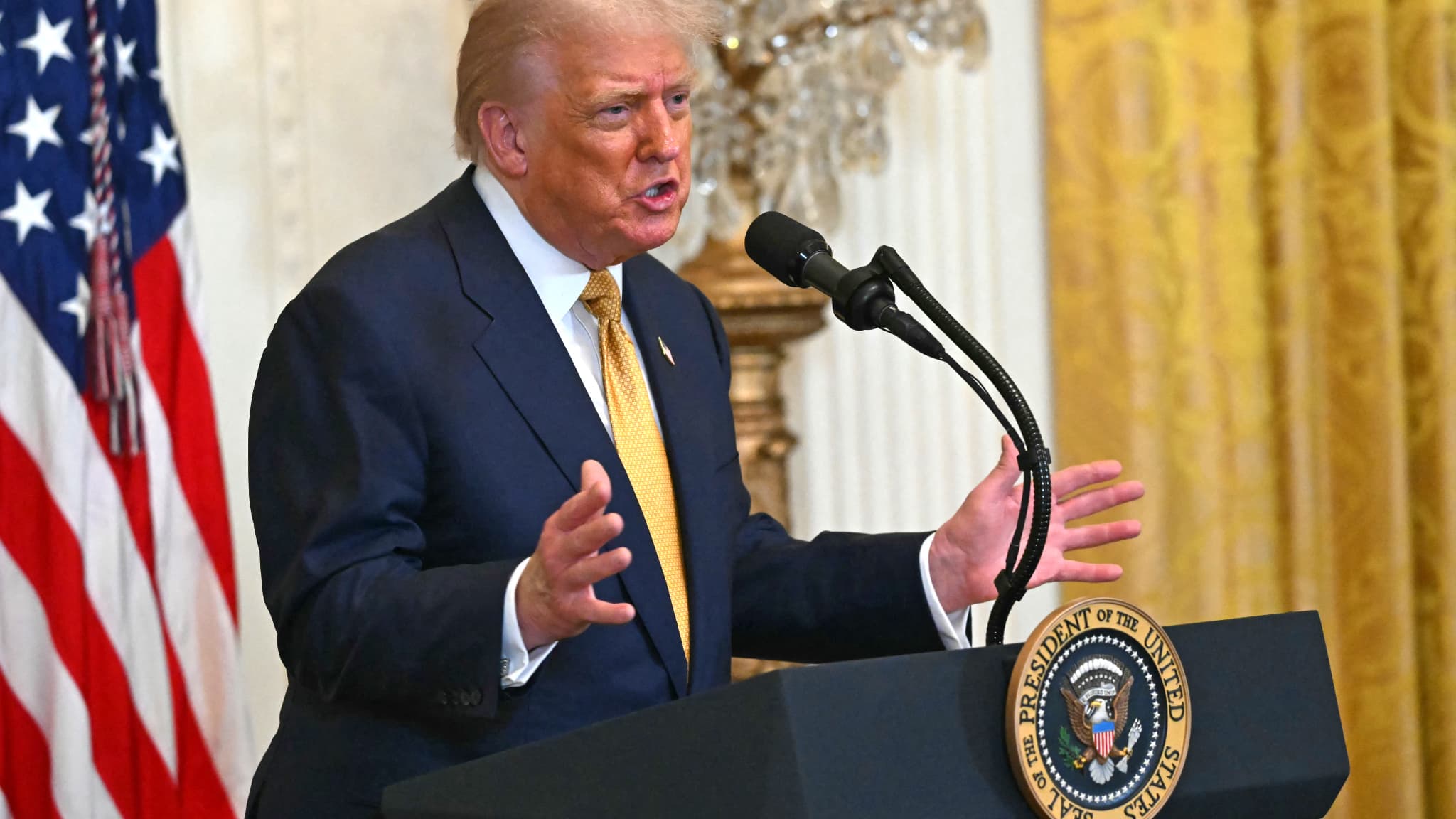
Public Citizen and Partners In Health, who secured the documents via a lawsuit and FOIA request, found that 18 reviewed agreements indicate a $2 billion reduction in health aid by 2030. These cuts specifically target programs battling HIV/AIDS, tuberculosis, and Ebola. In nations like Rwanda, Liberia, and Burundi, assistance is slated to drop by 97%, 84%, and 78% respectively.
The Burden of Co-Financing
Beyond the direct reductions, the agreements impose aggressive co-financing requirements that shift the financial burden onto nations already struggling with limited resources. In Malawi and Uganda, governments are being forced to mobilize new healthcare funding equivalent to 56% and 44% of their total health budgets. Analysts warn that these mandates are often impossible to meet, creating a cycle where failing to secure new funds triggers penalties that further erode public health infrastructure.While the State Department maintains that it remains committed to spending appropriated funds—suggesting a pivot toward religious organizations and technology innovation funds—advocates argue these shifts are effectively undermining long-standing global health stability. The administration continues to face criticism for negotiating these binding agreements behind closed doors, leaving civil society organizations and local communities excluded from the process.
Comments (0)
No comments yet. Be the first!