At-Home Hormone Tracking Hits Clinical Gold Standard
A new study published in Reproductive BioMedicine Online confirms 96% agreement between Mira’s at-home hormone monitoring and professional transvaginal ultrasound scans. The research, which tracked 121 ovulatory cycles, validates quantitative urine testing as a reliable, non-invasive alternative to traditional clinical diagnostics for reproductive health and fertility tracking.
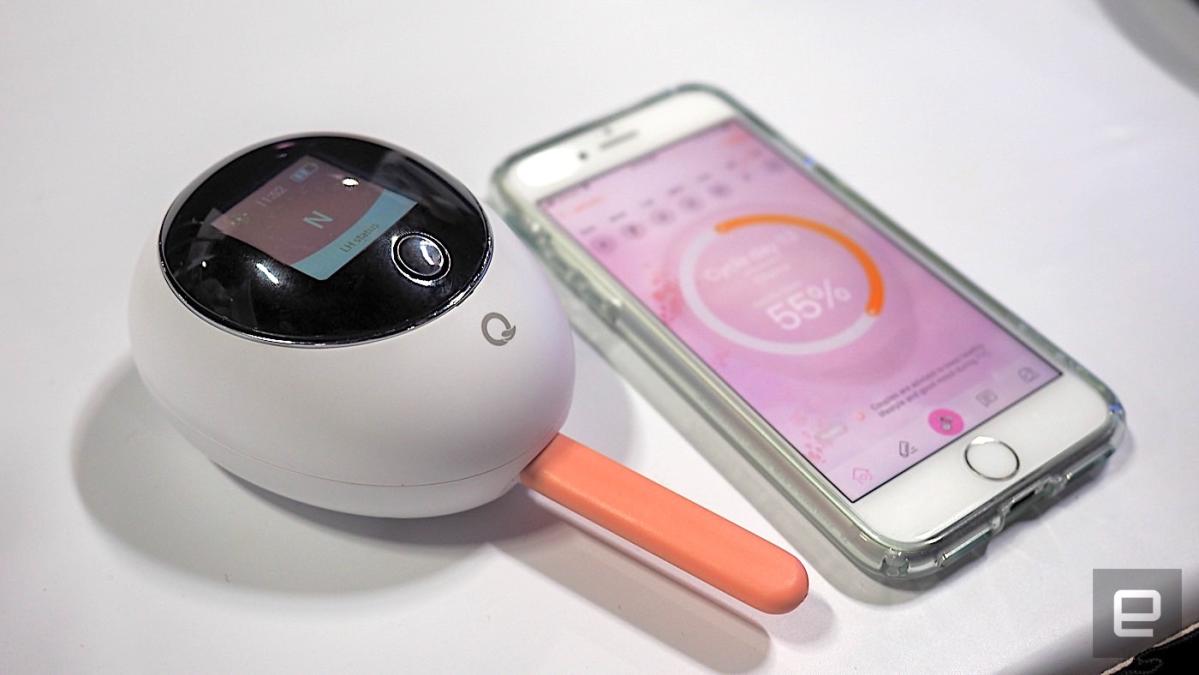
The 18-month diagnostic study, led by Dr. Thomas P. Bouchard, compared quantitative urine measurements against serial ultrasound and serum blood draws. Results showed that ovulation occurred within a single day of the Mira device’s luteinizing hormone peak in 96% of cases. Beyond confirming ovulation, the device tracked estrogen and progesterone metabolites with high correlation to blood serum levels, providing a more granular view of the ovarian cycle than standard, binary testing methods.
Data from the study highlights the limitations of calendar-based apps and single-day tests. Researchers found that 11% of cycles were anovulatory even in women with regular periods, and 12.4% of ovulations occurred while hormone levels were still rising. By monitoring estrogen five to six days before ovulation, the technology identifies fertile windows earlier than LH-only tracking. According to Mira CEO Sylvia Kang, these findings support a shift toward decentralized healthcare, allowing patients to obtain clinic-grade hormonal visibility without the burden of frequent office visits.
Comments (0)
No comments yet. Be the first!