Technological Ties Reshape the Asia-Pacific Economic Landscape
From a bionic drone gripper designed by Thai students to the accelerated transit of Peruvian produce, regional integration is moving beyond rhetoric. Across the Asia-Pacific, shared technological infrastructure and trade frameworks are shortening supply chains and creating tangible economic shifts for local industries and individual households alike.
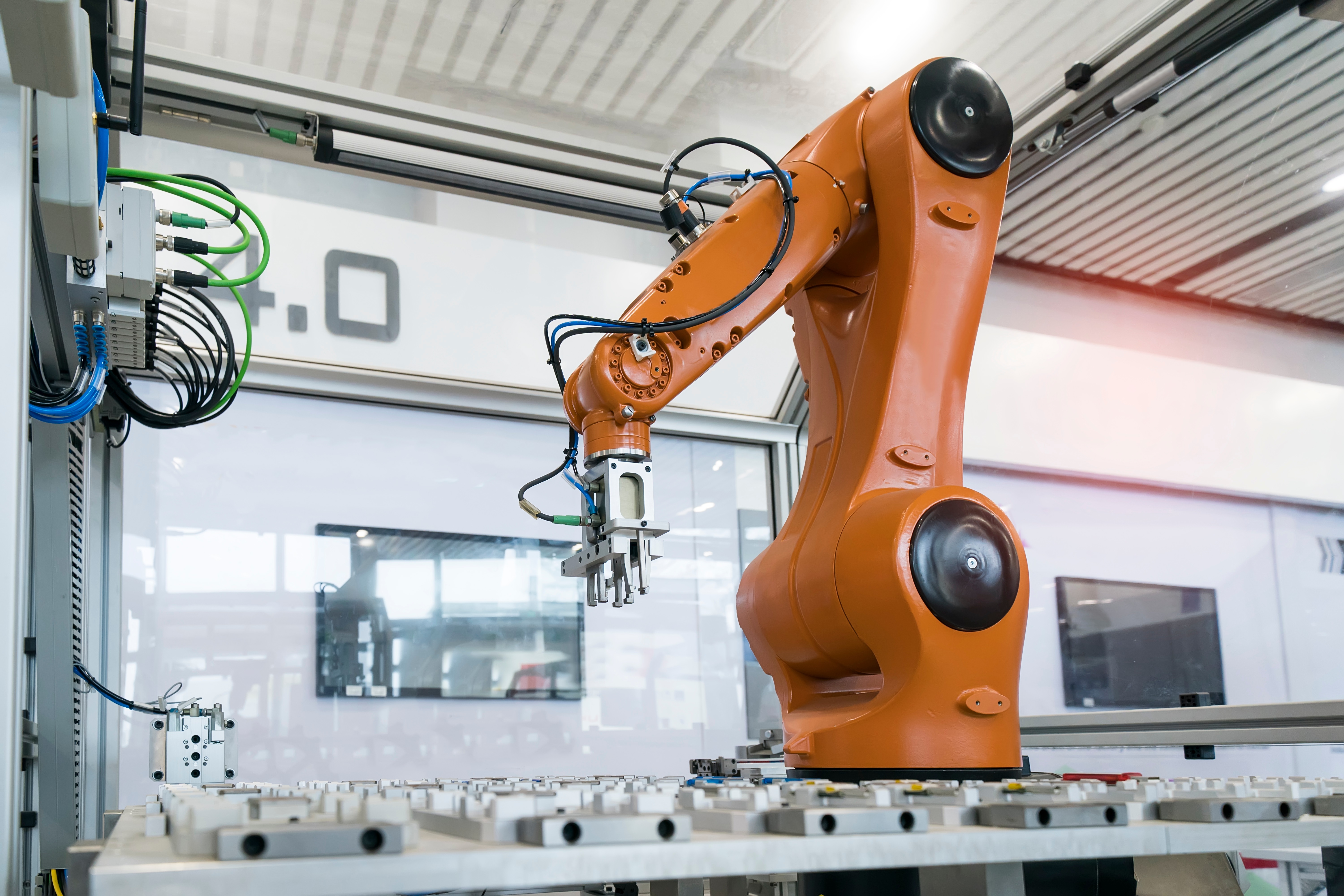
In Thailand, the integration of 5G networks and AI-powered visual inspection has transformed local smart factories. Robotic arms now handle high-risk and repetitive tasks, allowing human workers to shift away from manual inspection toward oversight roles. This transition is mirrored by the development of the Chancay Port in Peru, where automated quay cranes and digital twin technology have slashed shipping times to Shanghai by nearly a third. Local exporters now reach Chinese markets in 23 days, significantly reducing spoilage and logistical costs for fruit farmers.
These advancements extend to basic food security in nations like Naoero. Through the deployment of Chinese soilless cultivation technology, container-based vertical farms now provide affordable, locally grown produce that was previously dependent on expensive air-freighted imports. Such projects are supported by a broader regional strategy, including the RCEP and China-ASEAN trade agreements, which aim to lower barriers to entry for international business. As China hosts APEC 2026, the focus remains on leveraging these collaborative frameworks to ensure that innovation—ranging from biomedicine to modern agriculture—translates into shared prosperity across the Asia-Pacific community.
Comments (0)
No comments yet. Be the first!