Nanoleaf pivots from smart lighting to robotics and wellness
“The smart home is getting kind of boring,” says Nanoleaf CEO Gimmy Chu, signaling a major strategic shift for the company. After years of defining its identity through modular RGB lighting, the firm is moving toward embodied AI, robotics, and red light therapy to escape the commoditization of standard smart home hardware.
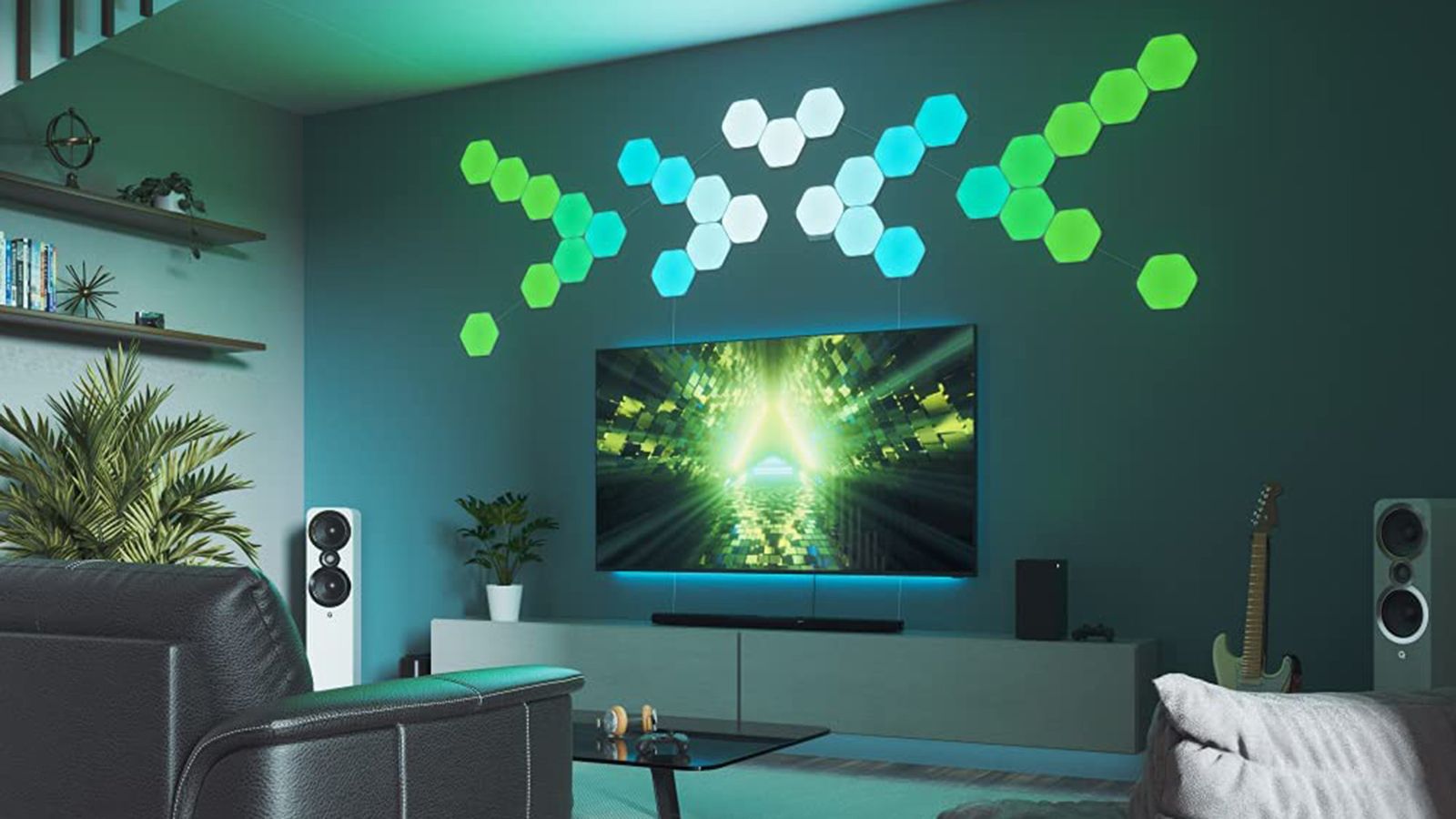
While competitors like Philips Hue and Govee have flooded the market with new lighting iterations, Nanoleaf has spent the last two years quietly restructuring. Chu argues that open standards like Matter have turned smart bulbs into low-margin commodities, prompting the company to redirect its engineering talent toward more complex categories. The firm plans to launch at least three AI-driven products this year, including an AI-powered toy and a desk companion, moving beyond simple software integration into hardware that interacts with the physical world.
Simultaneously, the company is doubling down on the wellness sector. Following the success of its 2025 red light therapy mask, Nanoleaf will release four additional devices featuring heat, massage, and vibration settings. Chu claims the company’s existing LED supply chain allows it to undercut current wellness market prices, providing a competitive edge. Despite this diversification, lighting remains the core of the business, accounting for 80 to 90 percent of revenue. The company intends to maintain its commitment to Matter 1.4 and 1.5 standards while opening its APIs to foster deeper AI compatibility, betting that future growth lies in making its ecosystem as programmable as it is decorative.
Comments (0)
No comments yet. Be the first!