Closing the Digital Skills Gap Could Unlock $3.5 Trillion in Global GDP
While 96% of the global population has access to mobile broadband, 3.1 billion people remain offline or under-connected due to a lack of digital skills. A new report from GSMA Intelligence and Huawei warns that without addressing this capability gap, the rise of AI could deepen existing socio-economic inequalities.
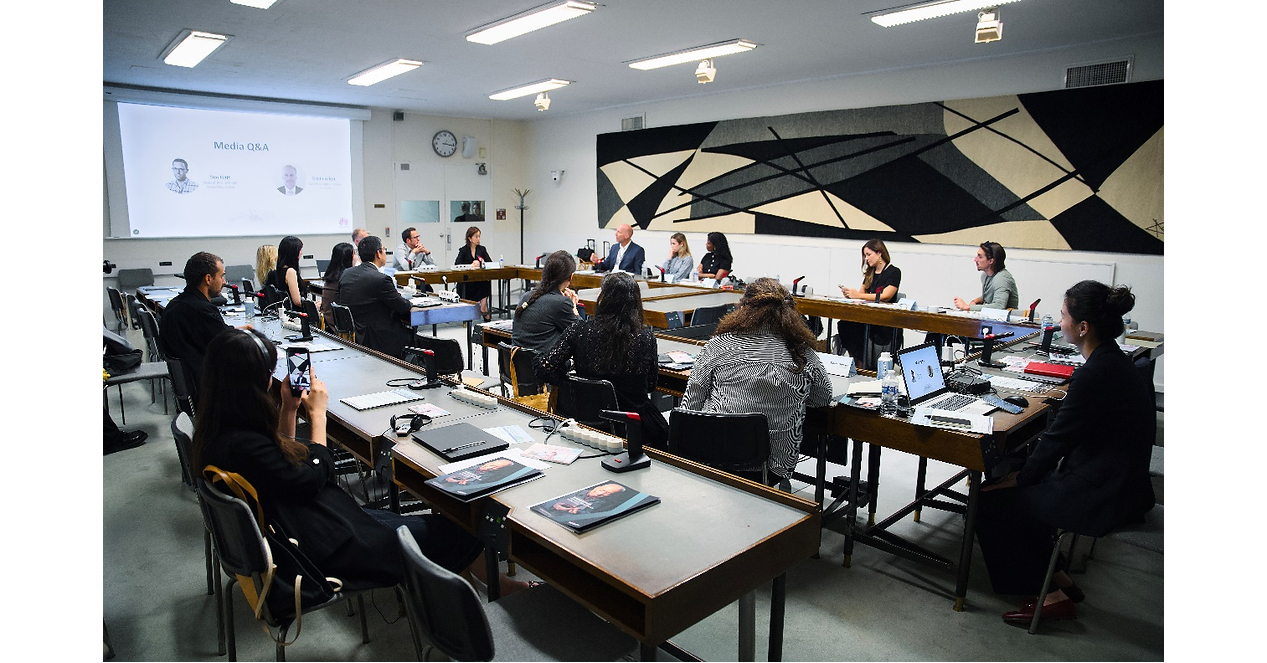
The report, unveiled during UNESCO’s Digital Learning Week, highlights that closing the digital literacy divide could add $3.5 trillion to the global economy by 2030, with the vast majority of these gains benefiting low- and middle-income countries. While AI-driven tools like voice assistants offer new pathways for users with low literacy to bypass text-based barriers, they simultaneously demand higher levels of critical thinking to navigate risks like deepfakes and data privacy breaches.
To combat exclusion in remote areas, the study points to community-led initiatives such as Huawei’s Skills on Wheels. These solar-powered mobile classrooms have reached over 130,000 people across 21 countries since 2019. Evidence from Kenya suggests these programs create a ripple effect, as 79% of trainees share their knowledge with family and peers.
Tim Hatt, head of research at GSMA Intelligence, emphasized that connectivity is no longer sufficient on its own. Instead, policymakers must treat AI literacy and online safety as core national infrastructure. The report calls for a shift in strategy: prioritizing multilingual voice interfaces in public services and measuring success through practical task completion rather than raw trainee numbers. Following its global success, the DigiTruck program is scheduled to expand into France this autumn, targeting underserved communities in the Île-de-France region.
Comments (0)
No comments yet. Be the first!