Bridging the Gap: How ABA Therapy Moves Beyond the Clinic
For families in Leominster, Massachusetts, the true measure of ABA therapy lies in a child's ability to apply learned behaviors in the real world. Rob Shapiro, founder of Shapiro Educational and Behavioral Consultants, outlines the critical strategies required to move communication and social skills from the therapy room into daily life.
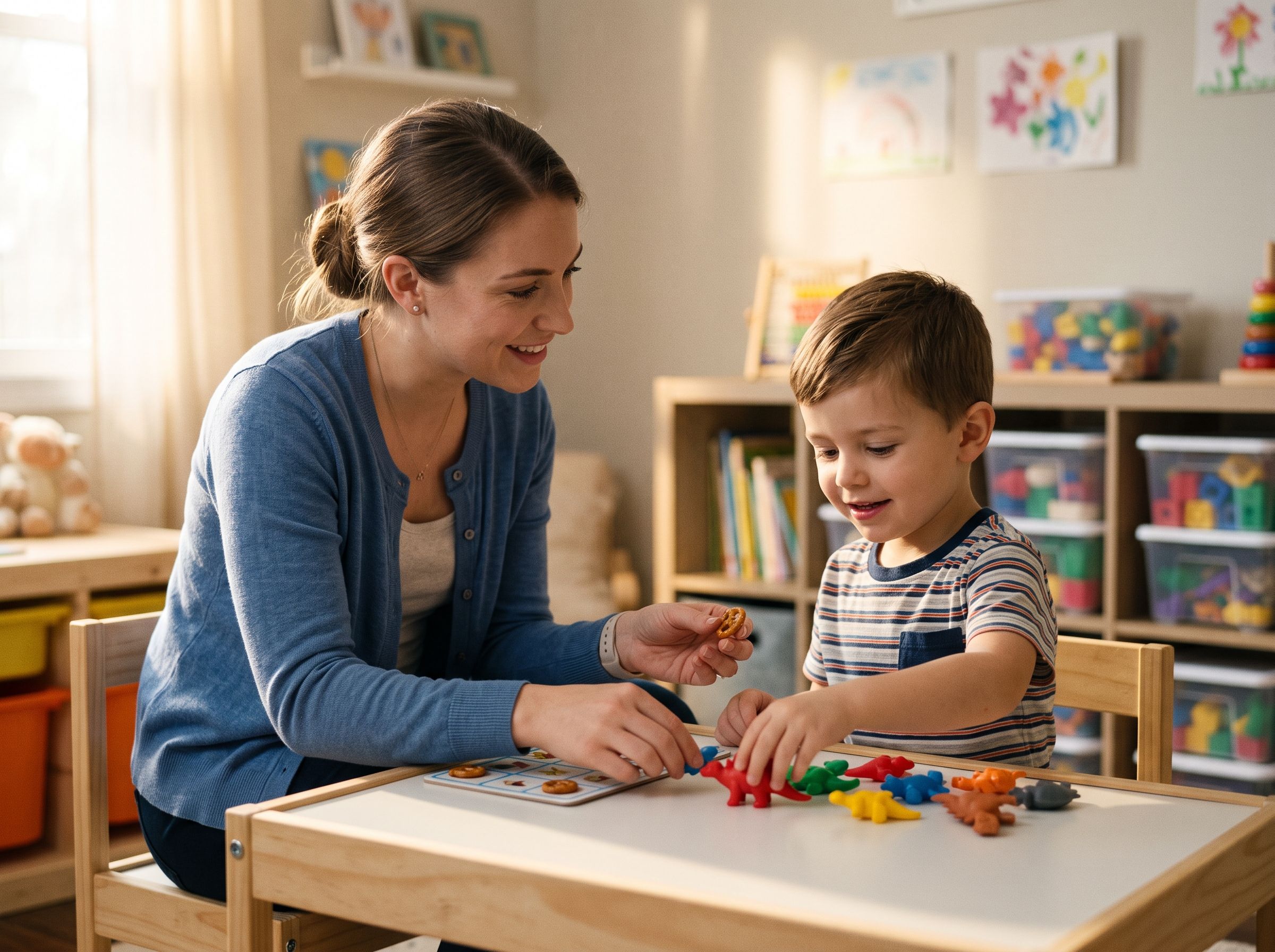
The core objective of Applied Behavior Analysis is skill generalization, a process that ensures a child can use acquired habits across home, school, and community environments. Rather than isolating progress to a single room, therapists utilize structured practice and consistent reinforcement to help children recognize that communication and behavior strategies remain valid in diverse contexts. By repeating exercises in natural settings—such as snack time or classroom interactions—children gain the flexibility to use these skills independently.
Success relies heavily on the collaboration between professionals and caregivers. Parents are trained to reinforce functional alternatives to challenging behaviors during everyday routines, which solidifies the child's progress. Furthermore, therapists intentionally shift practice partners, encouraging children to interact with teachers, peers, and family members alike. This variety prevents a child from associating a skill with a single individual, ensuring that social cues and daily living tasks become ingrained habits. Through continuous monitoring and open communication between therapists and families, these strategies are refined to meet the specific, evolving needs of each child in their own community.
Comments (0)
No comments yet. Be the first!