Half a century of ice loss: Greenland and Antarctica's vanishing mass
Since the 1970s, the world’s two primary ice sheets have shed 11.3 trillion metric tons of ice into the oceans. This staggering volume, enough to bury the continental United States under five feet of ice, highlights a half-century of accelerating planetary warming that now drives nearly a quarter of global sea-level rise.
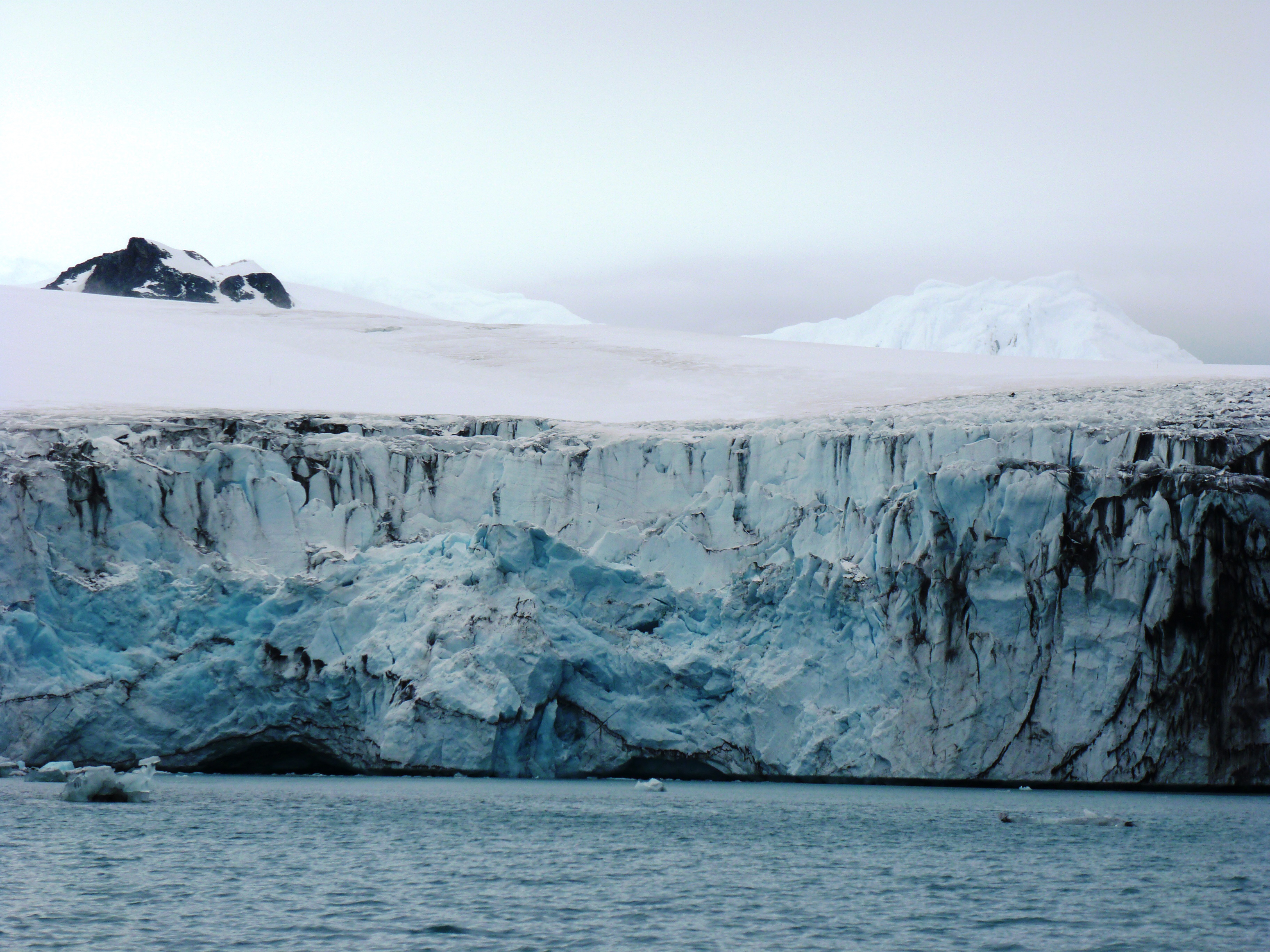
An international team of researchers, operating under the Ice Sheet Mass Balance Inter-comparison Exercise (IMBIE), synthesized 42 independent satellite datasets to produce the most comprehensive account of polar ice loss to date. Published in the journal Scientific Data, the findings reveal that the loss of 11.3 trillion tons has pushed global sea levels up by 3.1 centimeters. Northumbria University professor Inès Otosaka, who led the research, noted that this mass is equivalent to a cube 23 kilometers high.
The data indicates a shift in the mechanism of this loss. More than 80% of the ice entered the ocean via rapidly flowing glaciers rather than surface melting, pointing to a dynamic response to warming seas. Antarctica lost 4.78 trillion metric tons over the period, with West Antarctica serving as the primary driver. Greenland, meanwhile, transitioned from a state of near-balance in the 1970s to losing 264 billion metric tons annually during the 2010s. With every centimeter of sea-level rise threatening millions more people with flooding, study co-author Andrew Shepherd warned that current coastal infrastructure planning remains dangerously inadequate.
Comments (0)
No comments yet. Be the first!