Google Blurs the Laptop-Phone Divide with New Android-Based Hardware
Five major manufacturers are betting on a hybrid future as Google debuts the Googlebook, a laptop line merging Chromebook simplicity with Android’s Material Three interface. Launching October 4th, these devices aim to bridge the gap between mobile and desktop computing through deep integration and a heavy emphasis on built-in Gemini AI.
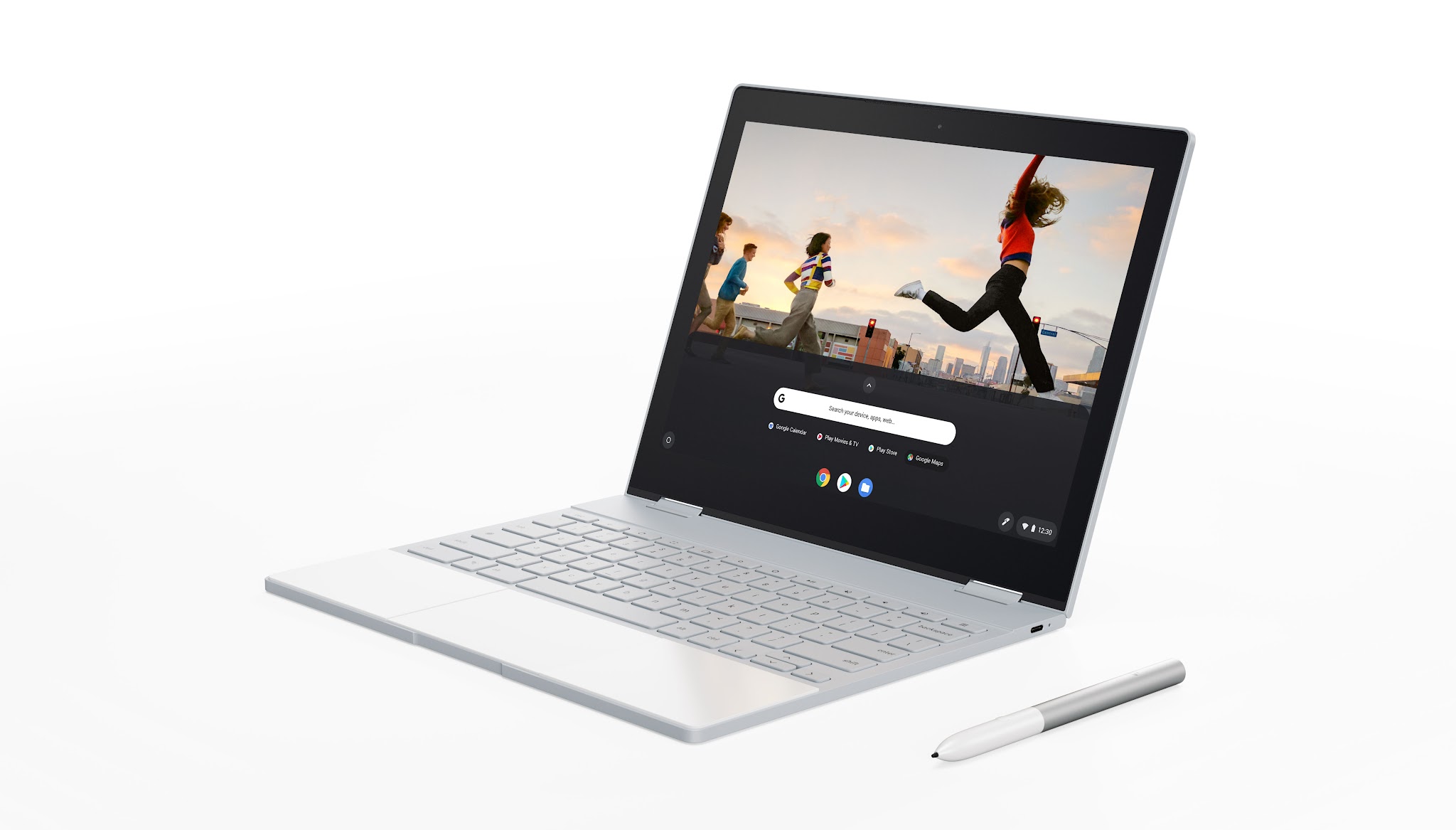
The initial hardware rollout features contributions from Dell, Lenovo, HP, Acer, and Asus. While the chassis designs mirror the premium aesthetic of high-end ultrabooks—boasting metal bodies and OLED touchscreens—the core experience shifts toward a unified ecosystem. Every unit arrives with at least 16GB of RAM and biometric security, topped off by a signature Glowbar light strip on the lid.
Under the hood, Google has opted for high-performance silicon, utilizing Intel Core Ultra Series 3 "Panther Lake" and Qualcomm Snapdragon X Elite processors. MediaTek configurations are slated for future release. With prices spanning $899 to $1,299, the project marks a significant pivot for the company, moving away from the budget-centric reputation of past Chrome-based hardware toward a more cohesive, phone-adjacent computing experience.
Comments (0)
No comments yet. Be the first!