African leaders push for domestic funding to end malaria crisis
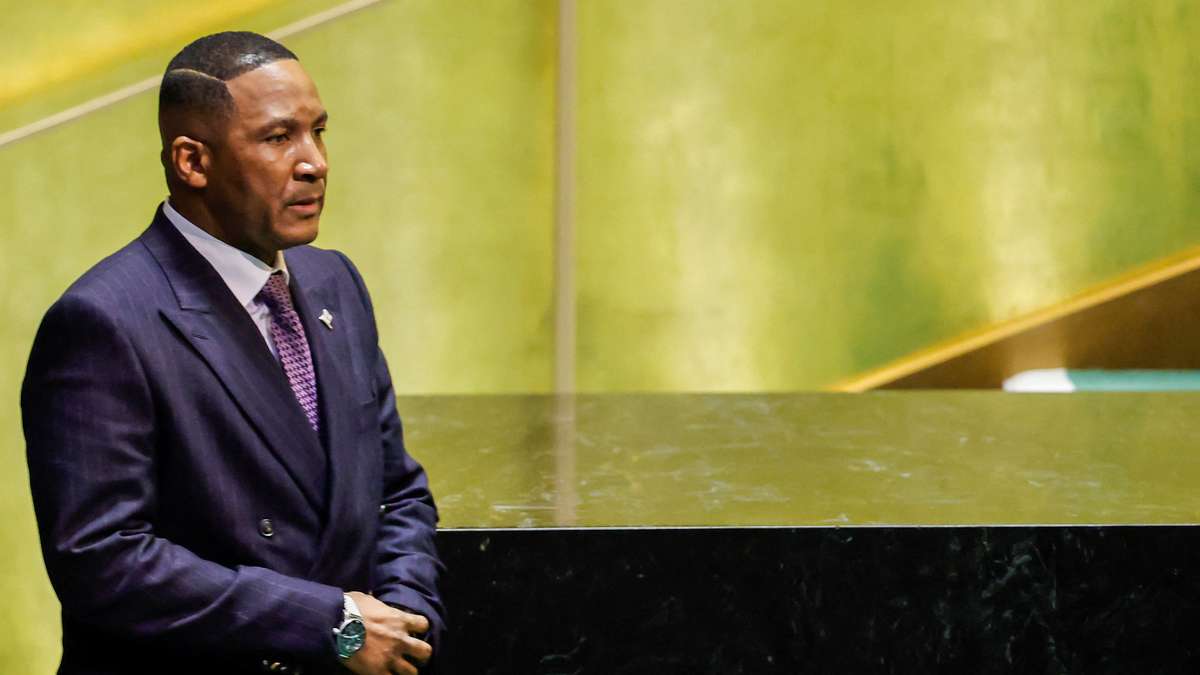
With Africa accounting for 95% of global malaria deaths, leaders meeting at the 81st UN General Assembly are demanding an urgent shift toward sustainable domestic financing. President Advocate Duma Gideon Boko of Botswana warned that without immediate intervention, funding gaps threaten to reverse decades of progress across the continent.
The call for action highlights a precarious reality: a 30% drop in malaria financing could result in 146 million additional cases and 400,000 deaths by 2030, costing the continent US$37 billion in lost GDP. To counter this, delegates are championing the creation of national End Malaria Councils. These bodies, already active in 14 countries, have successfully mobilized over US$245 million by integrating business, government, and civil society into a single strategy.
While domestic commitment is the priority, officials acknowledge that local budgets cannot shoulder the entire burden. Vice President of The Gambia, Muhammad B. S. Jallow, emphasized the necessity of predictable international partnerships to navigate the final stages of elimination. Meanwhile, regional cooperation is intensifying. South Africa is spearheading cross-border initiatives, while Zimbabwe and Angola are focusing on the local manufacturing of nets and medicines. Tanzania is moving further by investing in gene-drive research to target malaria-carrying mosquitoes, signaling a shift toward home-grown scientific solutions.
Comments (0)
No comments yet. Be the first!