Gene Therapy Shift Signals New Era for Retinitis Pigmentosa Treatment
The market for retinitis pigmentosa is poised for significant expansion through 2036, driven by a transition from traditional supportive care to precision genetic medicine. As clinical pipelines mature, developers are increasingly focused on disease-modifying therapies designed to address the underlying causes of inherited retinal degeneration.
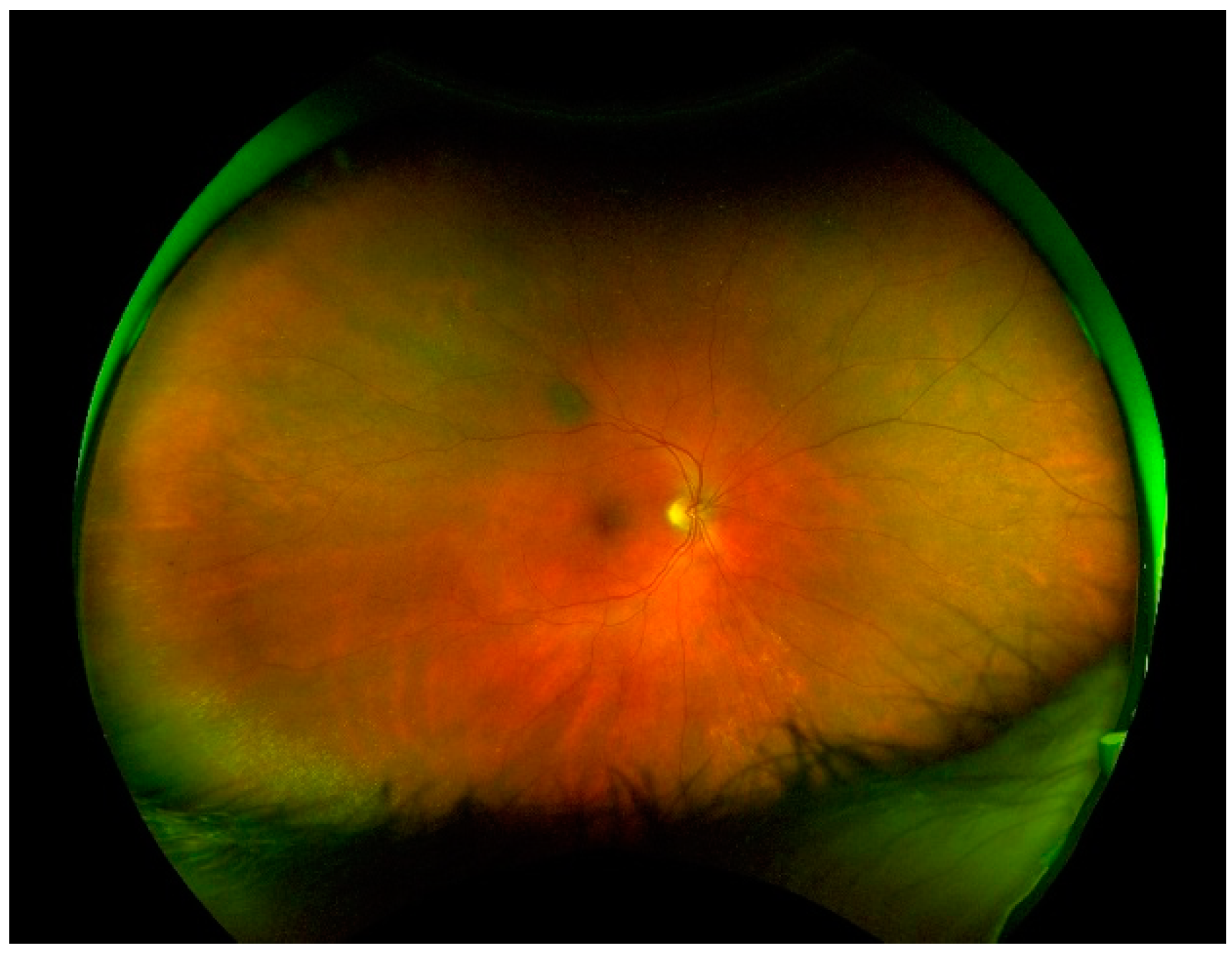
The current therapeutic landscape for retinitis pigmentosa remains largely supportive, relying on visual aids and regular monitoring to manage complications like cataracts. However, the sector is undergoing a strategic pivot toward mutation-specific and mutation-agnostic genetic interventions. With approximately 274,000 diagnosed cases across the seven major markets in 2025, the pressure to move beyond symptom management has accelerated investment into high-potential candidates.
Major pharmaceutical entities, including MeiraGTx, Johnson & Johnson, and Beacon Therapeutics, are currently advancing gene replacement and optogenetic approaches through late-stage clinical trials. Key assets such as Botaretigene sparoparvovec and Laruparetigene zovaparvovec have secured regulatory designations, including Fast Track and Orphan Drug status, reflecting their importance in the evolving standard of care. Beyond gene therapy, researchers are also exploring small-molecule treatments, such as Aldeyra Therapeutics' ADX-2191, signaling a diversified approach to managing diverse genetic subtypes of the disorder.
Comments (0)
No comments yet. Be the first!