Anixa Biosciences Reports Stable Disease in Ovarian Cancer CAR-T Trial
A patient in Anixa Biosciences’ Phase 1 clinical trial for recurrent ovarian cancer has achieved stable disease three months after treatment. This milestone, occurring in the study’s fifth dose cohort, marks the first time the novel liraltagene autoleucel therapy has demonstrated such a response in a human subject.
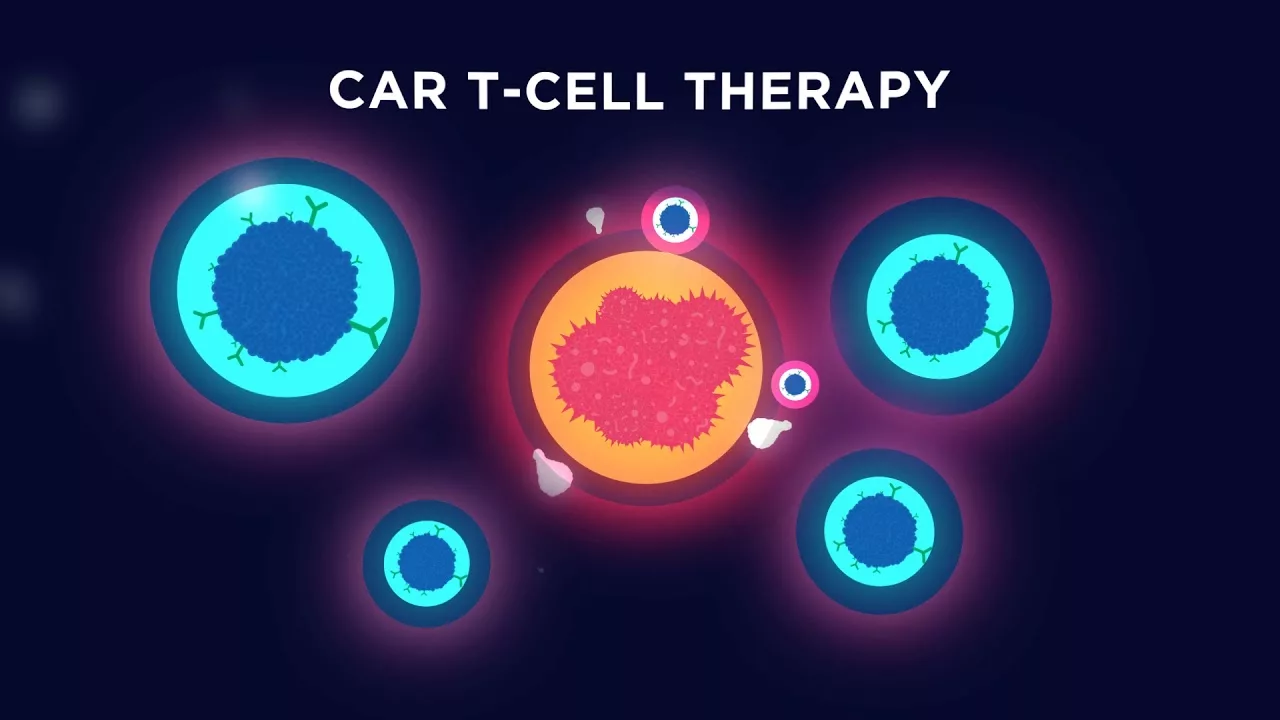
The patient received 1×10⁷ CAR-positive cells per kilogram following lymphodepletion, the highest dose administered to date in the study conducted at Moffitt Cancer Center. Beyond this specific result, investigators noted that multiple participants in the trial have survived more than one year post-treatment, with one individual surpassing the two-year mark. No dose-limiting toxicities have emerged, bolstering the safety profile of the therapy.
Liraltagene autoleucel, or lira-cel, targets the follicle-stimulating hormone receptor (FSHR), which is expressed on ovarian cancer cells but largely absent in healthy tissue. Dr. Robert Wenham, Chair of the Gynecologic Oncology Program at Moffitt, characterized the progress as a vital step toward achieving radiological partial or complete responses. The company continues to monitor the durability of CAR-positive cells as they enroll additional patients in escalating dose cohorts.
Comments (0)
No comments yet. Be the first!