Why Aging Bodies Struggle to Clear 'Zombie Cells'
As humans age, the body accumulates senescent cells—so-called zombie cells—that drive chronic inflammation and disease. Researchers at the Albert Einstein College of Medicine have identified that a decline in chaperone-mediated autophagy (CMA), a critical cellular recycling process, prevents the immune system from identifying and eliminating these dysfunctional cells.
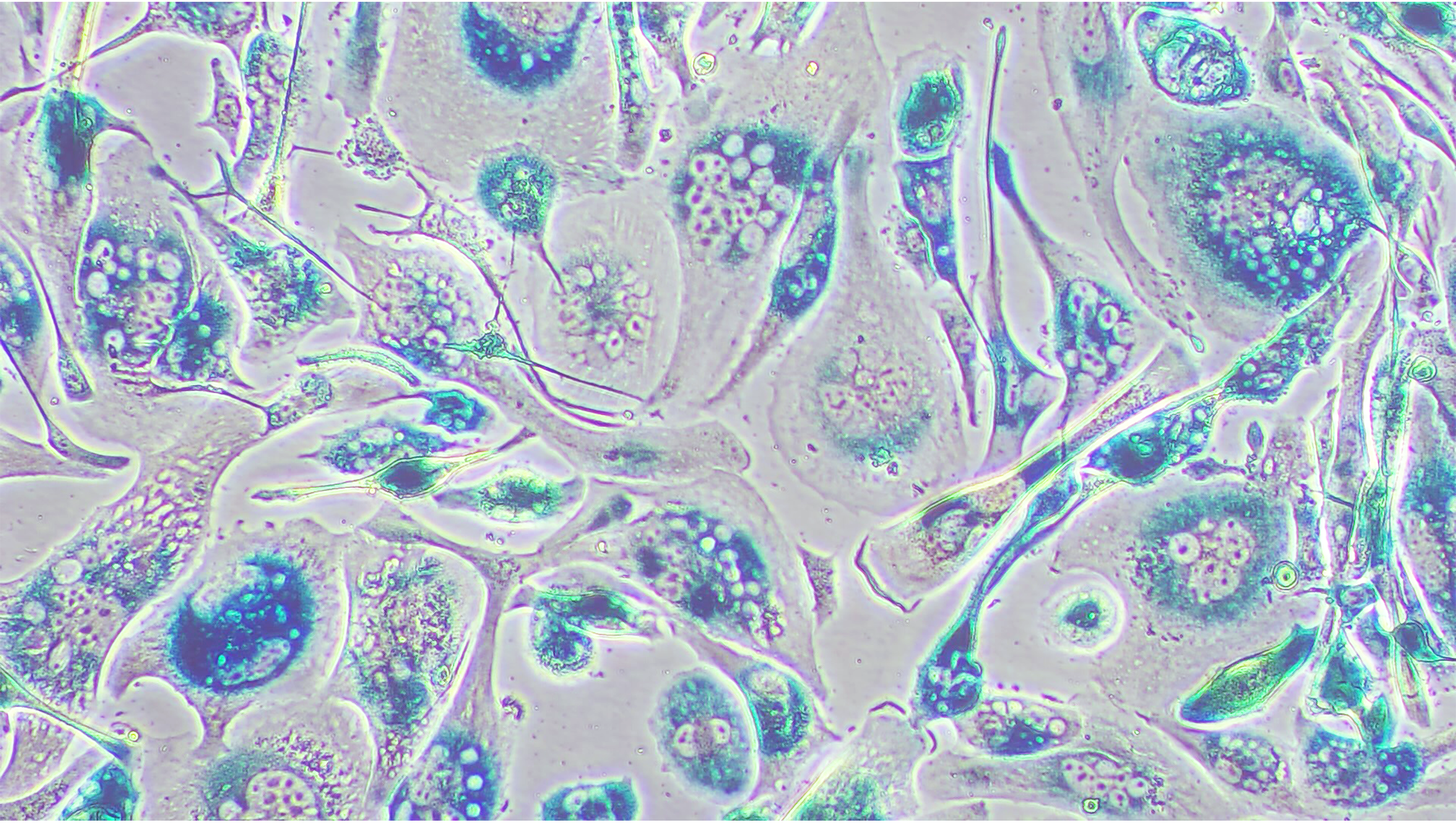
The study, published in Nature Aging, reveals that CMA activity naturally wanes over time, creating a double-edged failure. First, senescent cells become unable to process toxic proteins, causing them to secrete substances that recruit healthy neighboring cells into a zombie-like state. Second, the macrophages tasked with cleaning up these cells also suffer from impaired CMA, leaving them blind to the debris they are meant to clear.
Lead researcher Dr. Ana Maria Cuervo and her team tested a potential remedy using a small-molecule activator known as CA77.1. In experiments with aged mice, daily oral doses of the compound restored macrophage function and reduced the accumulation of zombie cells. This intervention notably lessened the severity of lung fibrosis, a condition where scarring progressively destroys lung tissue. The findings suggest that instead of relying exclusively on senolytic drugs to destroy zombie cells, therapies that restore natural cellular recycling could provide a more effective, physiological approach to treating age-related conditions.
Comments (0)
No comments yet. Be the first!