Optimizing Magnesium Alloy Armor Through Crystallographic Orientation
Impact direction dictates the structural integrity of lightweight magnesium alloys under fire, according to new research from Pusan National University. By aligning plates to exploit their natural crystal texture, engineers can boost energy absorption by nearly 7% without increasing the weight of aerospace or defense components.
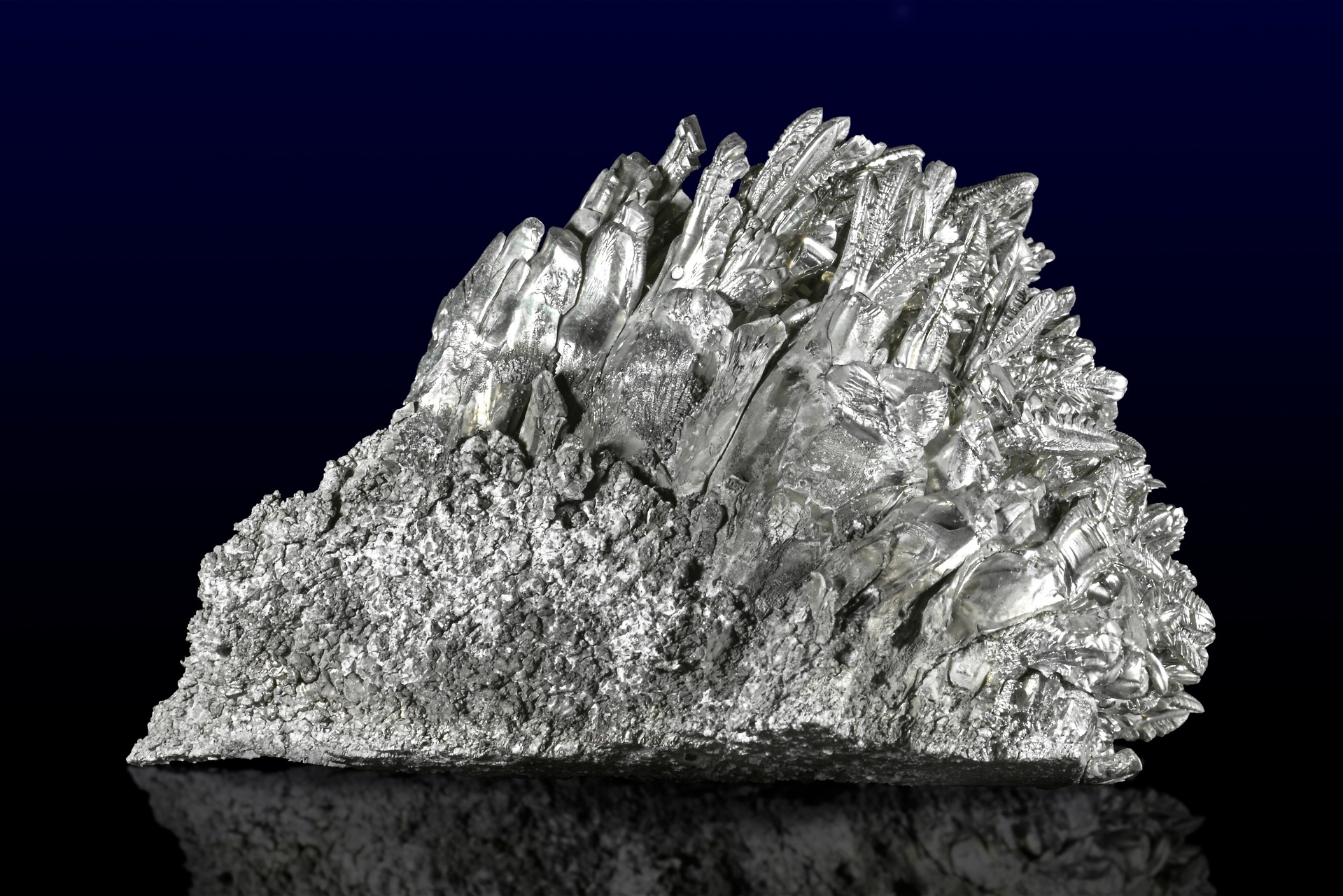
While magnesium alloys are prized for their low density and high strength, their hexagonal close-packed crystal structure creates significant performance gaps based on how a projectile strikes the surface. Professor Taekyung Lee and his team tested hot-rolled AZ31 alloy plates at velocities of approximately 884 m/s to quantify these differences. They discovered that impacts along the normal direction (ND) promote uniform extension twinning, which allows the material to absorb 6.5–6.7% more energy and deform symmetrically through bulging.
Conversely, impacts directed along the rolling direction (RD) trigger heterogeneous slip and shear localization, leading to asymmetric, elliptical fractures. These findings suggest that the ballistic limit of existing materials can be improved through strategic design rather than chemical modification. By orienting plates to favor symmetric deformation, manufacturers can extract higher performance from current materials, offering a practical path toward lighter military and aerospace shielding.
Comments (0)
No comments yet. Be the first!