Selecting the Right Industrial Shipping Protection
Choosing between a pallet, skid, or crate determines the safety and cost-efficiency of heavy machinery transport. According to Ed and Stacey Pinson of CWF Crating and Logistics, the decision hinges on balancing equipment structural requirements against the specific environmental risks posed by transit conditions and handling points.
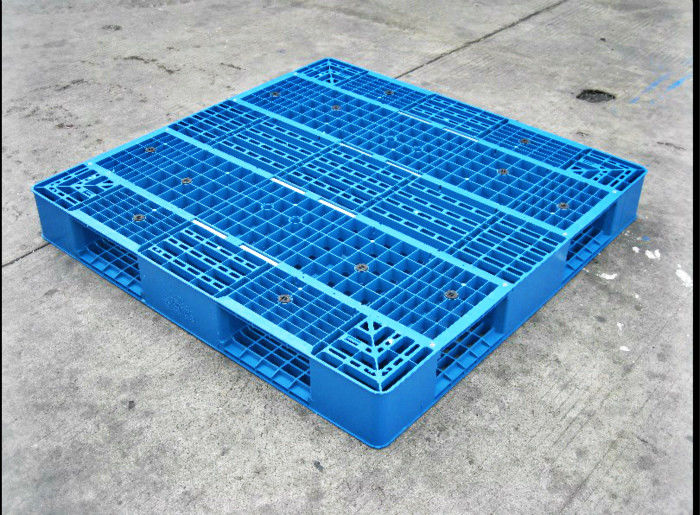
A pallet serves as the foundational option for shipping, providing a base for forklifts and pallet jacks to move goods efficiently. While cost-effective for standard loads, they often lack the support necessary for complex machinery. When equipment features irregular shapes or uneven weight distribution, a skid becomes the superior choice. These are customized to provide specialized lift points, significantly reducing the risk of load shifting during transit.
For high-value or fragile assemblies, a crate remains the gold standard. By fully enclosing the equipment, crates shield cargo from moisture, environmental exposure, and impact damage. Although crates represent a higher upfront investment compared to pallets or skids, they mitigate the financial risks associated with repairs and delays during long-distance or international transport. Ultimately, aligning the shipping method with the specific fragility and weight of the machinery prevents costly logistical failures.
Comments (0)
No comments yet. Be the first!