Mapping the Survival of Indonesia’s Spermonde Reefs
Across the 120 islands of Indonesia’s Spermonde Archipelago, live coral cover has plummeted from 45% to 28% in two decades. A study led by Professor Jamaluddin Jompa of Hasanuddin University now maps this decline, arguing that local community intervention is the missing variable in stabilizing the region’s fragile marine biodiversity.
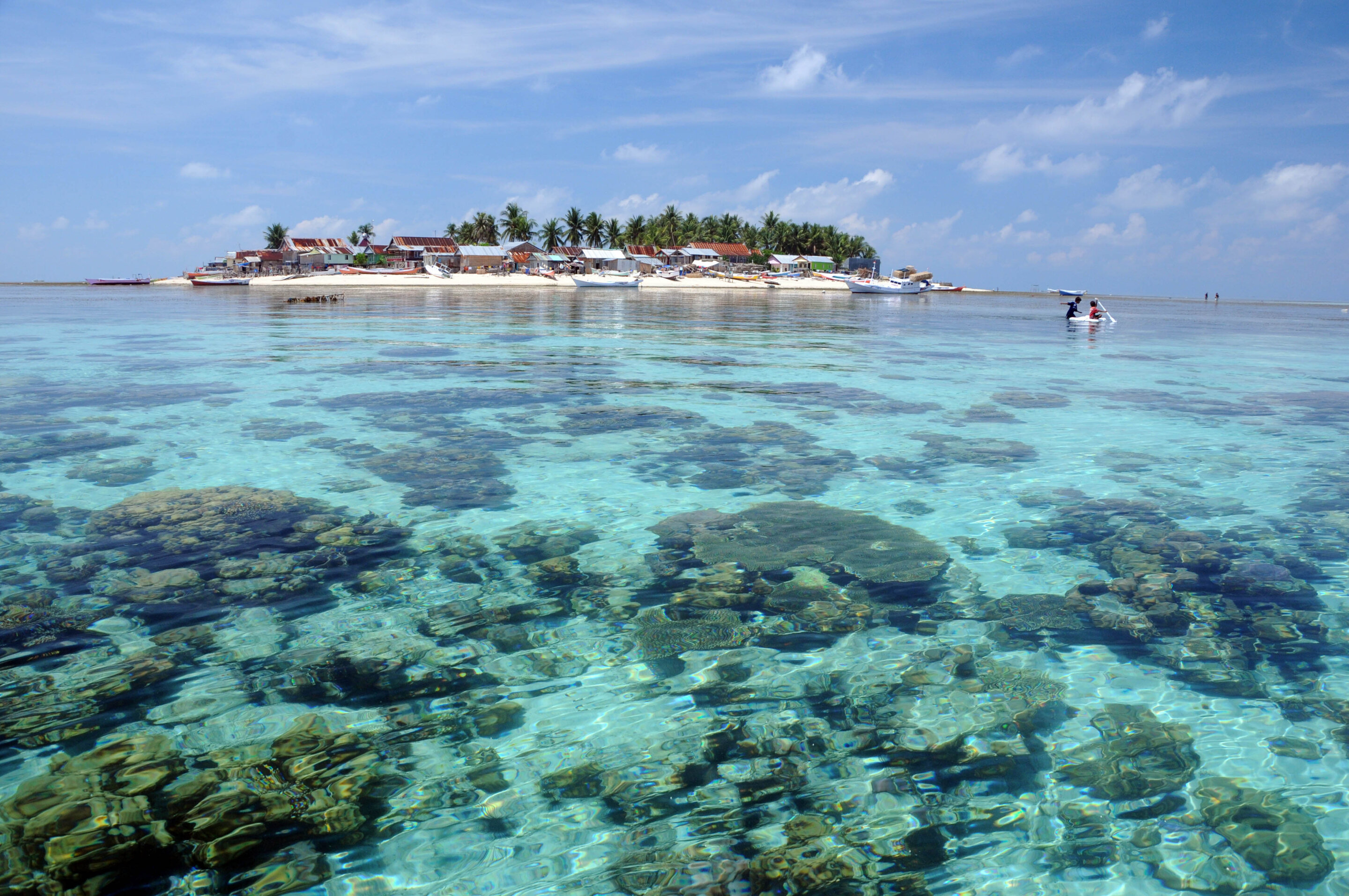
The research, published in Anthropocene Coasts, utilized a comparative methodology across Lae-Lae, Kodingareng Lompo, and Lanyukang islands. By deploying line intercept transects, underwater photo surveys, and drone mapping, the team identified a stark ecological divide. Clearer waters near Lanyukang and Kodingareng Lompo still host resilient hard coral populations, whereas the turbid, silt-heavy waters surrounding Lae-Lae are dominated by coral rubble and algae-covered debris.
Beyond technical monitoring, the team engaged 33 local residents to gauge the human element of reef management. While inhabitants acknowledged the visible degradation of their environment, they expressed a limited grasp of underlying drivers and felt ill-equipped to intervene. The findings suggest that conservation efforts have historically failed to bridge the gap between scientific data and the daily realities of the people living on the front lines of reef loss.
To reverse these trends, the researchers propose a decentralized model of stewardship. Rather than top-down mandates, the study advocates for equipping local populations with accessible monitoring tools and targeted financial support. By aligning community knowledge with rigorous ecological assessment, the archipelago could better address the mounting pressures of destructive fishing and coastal development, directly advancing the United Nations’ goals for climate action and the protection of life below water.
Comments (0)
No comments yet. Be the first!